Add Row
Add Element
  • Case Clinic
    • #We Are Case Clinic
    • #Case Clinic Doctor Spotlights
    • #Case Clinic Stars - Heroes In Scrubs profile
    • #Case Clinic Nurses - Spotlight
    • *CASE CLINIC NEWS CHRONICLE
    • Ask Case Clinic - Health Hub Inquiries
    • #CASE STILLNES OF LIFE'S SOUL
    • *#@ SELFCARE SUPERPOWER
    • Nurse Nightingale's Nuggets
    • #Nurse Nightingale Nuggets
  • Case Medcare
    • Case Clinic Health Desk -Daily Health Tips
    • Case Medcare Insurance- Medical Coverage
    • Case Clinic Surgeons -Surgery practitioners
    • Case Clinic Tropical Dx- Infectious Disease
    • Case Clinic Perinatal - Mum-To-Be Wellness
    • Case Clinic Kids- Paediatrics & Parenting
    • Case Clinic Nutritionist - Dietician
    • Case Rehab Fit & Focused
    • Case Clinics CEO Corner
  • Case Hospitals
    • Case Clinic Men's WellCare
    • Case Clinic voices - Community stories
    • Case Beacons- Boardroom to Bedside
    • Case Clinic Outreach - Health drives
    • Case Clinic Nurses - Bedside Care Givers
  • Case Chronicles
    • Case Clinic - Chronic disease care
    • Case Clinic Chronicles
  • Case Insider
    • digital health innovation
    • Case Clinic Digest - Case care Updates
    • Global Health News - Daily health news
  • Case Care
    • Case Travel Tourism- Vaccinations
    • Case Mental Wellness Care
    • Case Care - Women + Teen Girls
    • Case Clinic Services - hospital departments
    • #Holistic Naturopathic Medicine
    • #Case Go Green -Tropical Ecosphere
    • Regional Health Facilities
    • Medical Policy Governance
    • #Case Serenity Melodies For The Mood
    • International Nurse Networks
  • #WE ARE CASE HOSPITAL
    • #@CASE CARDILOGY CATHLAB
    • #@CASE HOSPITAL JINJA
    • #@CASE HOSPITAL ENTEBBE
    • #@CASE HOSPITAL NAALYA
  • # WELCOME TO CASE MED SERVICES
    • #@CASE SELFCARE SANCTUARY
    • #@CASE CLINIC FOUNDER'S FORUM
    • #@CASE SATELLITE HOSPITALS
    • #@CASE CLINIC CRESTED CRANES
    • *@ADVERT$ BILLBOARD
    • #@CASE CLINIC BILLBOARD
    • *@CASE COMMUNITY BILLBOARD
  • *#CASE CLINIC LEGACY
    • *#CASE CLINIC IMPACT
    • *#CASE HOSPITAL LEGACY
  • update
  • update
  • update
  • update
  • update
  • update
  • update
Add Element
September 19.2025
1 Minute Read

A Daughter's First Journey: An Empowering Guide to Menstrual Health & Body Positivity

Did you know: Nearly 1 in 10 African girls misses school during her menstrual cycle due to inadequate menstrual hygiene management? This urgent reality isn’t just a health issue—it affects education, self-confidence, and the future of every adolescent girl in Uganda. For too long, menstruation has been surrounded by secrecy, shame, and misunderstanding among adolescent girls and their parents. Today, we begin a new chapter. This guide will empower you to frame the menstrual cycle not as a source of embarrassment, but as a healthy and powerful sign of womanhood. Whether you are a teenage girl beginning this journey, or a supportive parent eager to uplift your daughter, this culturally sensitive resource provides advice, myth-busting, and practical steps for menstrual health and hygiene that fit the Ugandan context.

"Did you know nearly 1 in 10 African girls misses school during her menstrual cycle due to inadequate menstrual hygiene management?" – UNICEF

Empathetic Ugandan teenage girl learning about menstrual health and hygiene in a school setting with educational support

Opening: The Startling Truth About Menstrual Health Among Adolescent Girls in Uganda

Menstrual health and hygiene challenges are a daily reality for many adolescent girls in Uganda. In low-income countries, inadequate menstrual hygiene management, limited access to safe and affordable sanitary pads, and social stigma leave teenage girls feeling isolated and unsafe during their periods. Poor menstrual health affects not only individual well-being but also impacts school attendance, performance, and future opportunities. For girls and women, particularly in rural areas, menstrual blood and the changes related to menstruation are rarely discussed openly, perpetuating shame and taboos. Health workers and NGOs are making progress, but the support of families—and especially parents—is vital. It’s time to rewrite the narrative around menstrual cycle education and ensure girls receive compassionate, practical, and culturally respectful guidance both at home and in schools.

This guide aims to bridge gaps in knowledge among girls and women. By addressing common myths, providing reliable menstrual hygiene management information, and equipping parents to support their daughters, we lay the foundation for confident, empowered adolescent girls. Emphasising menstrual health as a natural part of life, rather than a hidden burden, is key to raising self-assured women and girls who thrive at home, in school, and in society.

Shifting the Conversation: Menstruation as Power, Not Shame

For generations, menstruation has been considered a subject too sensitive to discuss openly among adolescent girls in Uganda. Yet, the menstrual cycle is a vital sign of reproductive health—a powerful transition from childhood to womanhood. This journey may feel overwhelming for a teenage girl, but with the right information and encouragement, it can become a source of pride. Reframing our attitudes means parents and schools must see menstrual health and hygiene not as a problem to hide, but as an opportunity to foster strength and resilience.

Breaking through cultural taboos starts with conversations. Whether at home or in schools, acknowledging menstruation as a universal experience brings dignity to every adolescent girl. Menstruation connects girls and women across generations, and when we teach girls early that their bodies are strong and natural, we end the cycle of shame. The menstrual cycle should be celebrated—not feared.

Why Menstrual Health and Hygiene Deserve Our Attention

Menstrual health and hygiene are not just personal matters; they are community priorities. Among adolescent girls, poor menstrual hygiene can increase the risk of infections, affect school participation, and limit opportunities. Addressing reproductive health and hygiene management empowers girls to understand their bodies, take charge of their well-being, and participate fully in education and family life. Safe access to sanitary pads, trusted menstrual hygiene products, and supportive environments enables every adolescent girl to manage her menstruation with dignity.

Education around menstrual health helps dispel the myth that menstruation is a disease or curse. Instead, it promotes a healthy relationship between girls, their bodies, and their communities. Awareness campaigns, health workers, and family conversations are all part of the solution. Together, we must make menstrual health and hygiene accessible, respectful, and empowering for all women and girls in Uganda.

What You'll Learn: Your Guide to Menstrual Health and Hygiene for Adolescent Girls and Parents

  • How to foster body positivity and confidence among adolescent girls

  • Culturally sensitive, practical tips for menstrual hygiene management

  • Myth-busting common beliefs related to menstruation

  • The impact of menstrual health on school life and family relationships

  • When and how to access medical care for menstrual concerns

Confident Ugandan mother and daughter discussing menstrual health and body positivity at home

Understanding Menstrual Health and Hygiene for Adolescent Girls

What Is Menstrual Health and Hygiene? (Definition and Importance)

Menstrual health and hygiene refer to the complete physical, mental, and social well-being of girls and women regarding their menstrual cycle. This includes having accurate knowledge, safe and affordable access to sanitary pads and menstrual products, and facilities that ensure menstrual hygiene management. For an adolescent girl, good menstrual health means understanding normal body changes, feeling confident to seek help when there are issues, and being equipped to manage menstruation both at home and in schools.

The importance of menstrual health cannot be overstated. Inadequate menstrual health and hygiene can lead to infections and further health complications for adolescent girls. More than that, it can damage a girl’s confidence, restrict her social participation, and hinder her education. Ensuring access to appropriate facilities, sanitary pads, information, and support—especially in rural areas—gives every adolescent girl the foundation she needs for long-term reproductive health and self-esteem.

The Menstrual Cycle Explained: A Guide for Women and Girls

The menstrual cycle is a monthly process in which a woman’s body prepares for a possible pregnancy. About every 28 days, the ovaries release an egg, and the lining of the uterus thickens. When pregnancy does not occur, this lining sheds as menstrual blood—this is known as a period. Among girls, the age at which menstruation starts varies, but most experience their first period between 11 and 14. The menstrual cycle can last anywhere from 21 to 35 days, and it is entirely normal for adolescent girls to have irregular cycles at first.

Understanding the menstrual cycle helps remove fear and confusion related to menstruation. It gives girls and women the ability to track their periods, anticipate bodily changes, and plan for activities or school. By recognising that the menstrual cycle is a natural, recurring part of becoming a woman, girls develop a more positive and empowered relationship with their bodies.

Supportive group of Ugandan teenage girls discussing menstrual health and experiencing body changes and confidence together

Body Changes Among Adolescent Girl: What to Expect

Puberty brings noticeable changes for every adolescent girl in Uganda. The most significant change is the start of menstruation, but other shifts include developing breasts, growing body hair, and changes in body shape. These transitions are often accompanied by emotional changes and questions about self-image. It’s essential to let adolescent girls know that every body is unique; some changes may happen earlier or later and may look different for each individual.

Cultural sensitivity matters. Celebrating these changes rather than hiding them builds confidence and reduces anxiety. Girls need reassurance from parents, teachers, and peers that their experiences are normal. Family discussions and educational programs in schools can reinforce healthy attitudes toward puberty, reinforcing the message that menstruation and body changes are signs of growth and strength, not embarrassment.

Addressing Cultural Myths and Taboos Related to Menstruation

  • Common Myths and Their Impact on Girls and Women: Myths such as “menstruation is a curse,” or that a girl is unclean while on her period, harm confidence and social inclusion. These falsehoods can cause adolescent girls to feel isolated, ashamed, or afraid to ask questions.

  • How Taboos Affect Education, Health, and Self-Esteem: When menstruation is kept a secret, girls miss out on accurate information about their menstrual cycle and hygiene management. This secrecy may lead to poor menstrual health and hygiene practices, missed school, and a negative self-image.

  • Tips for Families: Breaking the Silence Among Adolescent Girls: Start discussions early, encourage questions, and approach menstruation as a natural part of growing up. Use trusted family members or health workers to provide guidance and support.

"Menstruation is not a curse—it’s a healthy, powerful sign of womanhood. Let’s reframe the conversation among adolescent girls." – Dr. Namatovu, Ugandan Health Advocate
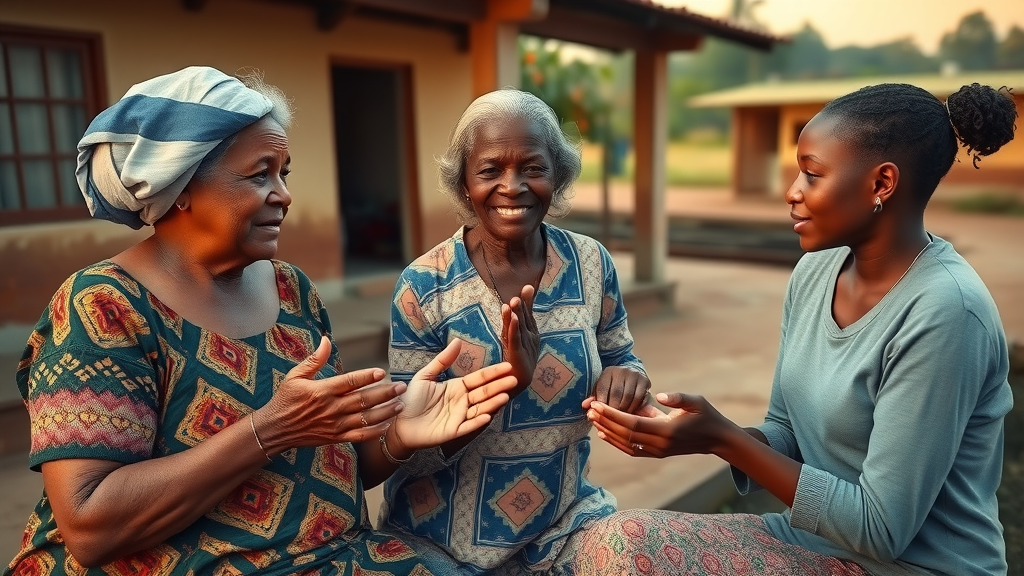
Intergenerational conversation about menstrual health between Ugandan grandmother, mother, and adolescent granddaughter

Practical Guide: Menstrual Hygiene Management for Ugandan Teenage Girls

Safe and Affordable Menstrual Hygiene Products: Sanitary Pads, Reusable Pads, and More

  • Choosing the right sanitary pad or menstrual hygiene product: Most teenage girls in Uganda use disposable sanitary pads; however, cost and access can be challenging in rural areas. Reusable pads, locally made options, and menstrual cups are becoming more available and can be both cost-effective and sustainable. The choice should be guided by what feels most comfortable and manageable for the individual.

  • How to use and dispose of sanitary pads responsibly: Disposable sanitary pads should be changed every 4–6 hours and wrapped in paper before being safely discarded in a bin. Reusable pads must be washed thoroughly, dried in sunlight, and stored cleanly. Never flush pads down the toilet as it can block sanitation facilities.

  • Managing the menstrual cycle at home and at school: Girls should keep an emergency kit with sanitary pads, clean underwear, and soap. Schools can support by providing private changing areas and access to clean water for handwashing and pad cleaning.
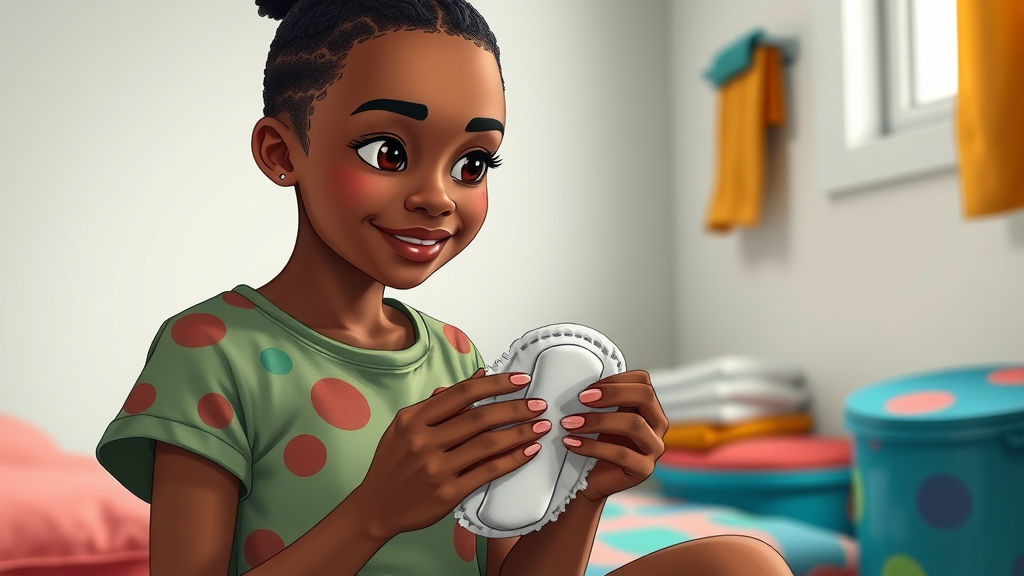
Resourceful Ugandan teenager learning how to fold and use a reusable menstrual pad for menstrual hygiene

Alternatives: Reusable Pads and Other Sustainable Options for Women and Girls

Reusable pads are a growing solution for women and adolescent girls who want affordable, eco-friendly menstrual hygiene management. These pads can be washed and re-used for many months. Other products include menstrual cups and locally crafted pads. Although menstrual cups may require more education and acceptance, they offer long-term value and zero waste.

For many girls and women, switching to sustainable menstrual products is a matter of access and information. NGOs, community health workers, and schools are helping introduce alternatives, teaching safe cleaning practices and making these products acceptable. By choosing reusable options, adolescent girls reduce costs, manage their menstruation discreetly, and contribute to sanitation and hygiene in their communities.

Eco-conscious Ugandan teen girl holding reusable menstrual pad and menstrual cup, promoting sustainable menstrual health and hygiene

Sanitation and Hygiene: Safe Cleaning and Storage Practices

Good sanitation and hygiene are essential for adolescent girls during menstruation. Reusable pads must be rinsed in cold water, washed with soap, and thoroughly dried in direct sunlight to prevent bacteria or odours. Storing clean pads in a dry, discreet pouch is critical. For disposable pads, prompt and proper disposal is key—never leave used pads in open spaces, as this impacts both family and community sanitation facilities.

Parents should encourage girls to maintain clean hands by washing before and after handling menstrual products. Schools and homes should provide clean water, soap, and private washing areas whenever possible. These practices not only support menstrual hygiene, but they also prevent infections and instil lifelong health habits in women and adolescent girls.
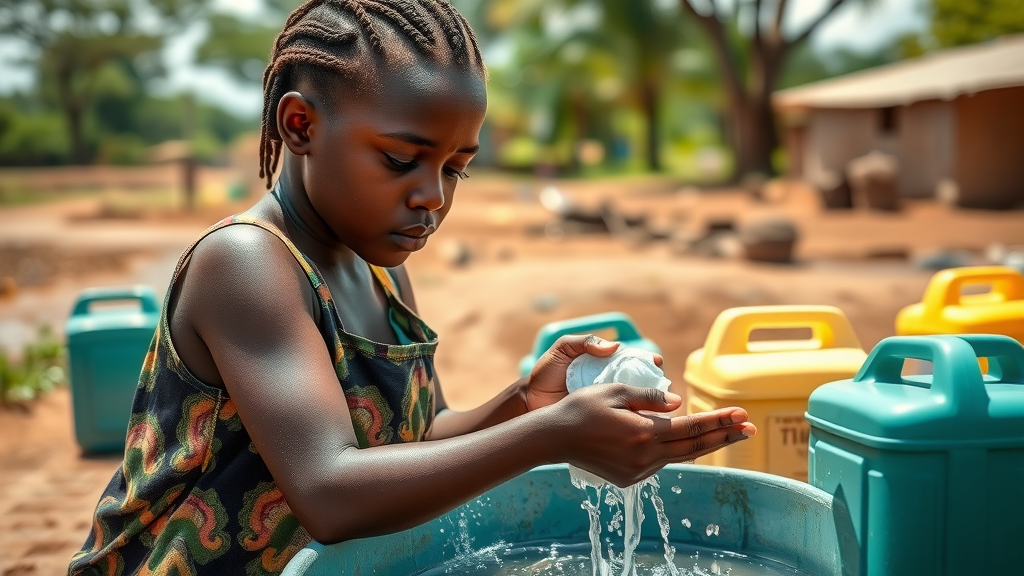
Diligent Ugandan girl washing reusable menstrual pads at an outdoor water basin for proper menstrual hygiene management

Body Positivity: Celebrating Body Changes Among Adolescent Girls and Women

  • Developing a positive self-image during adolescence: Celebrate every body as unique. Open conversations at home and in schools remind girls that growing, changing, and menstruating are all signs of strength—not shame.

  • Respecting cultural traditions while promoting openness: While traditions are important, they should not prevent open dialogue. Let’s honour heritage yet cast aside beliefs that lead to secrecy or fear among adolescent girls.

  • Encouraging open conversation between girls and women about menstruation: Talk together as mothers, daughters, grandmothers, and friends. This breaks the cycle of taboo, builds self-confidence, and helps every adolescent girl feel accepted and valued.

Empowered Ugandan teenage girl celebrating body positivity and menstrual health, standing proud among wildflowers

Supporting Menstrual Health and Hygiene in School and at Home

The Impact of Menstrual Health and Hygiene on School Attendance

Menstrual health and hygiene have a direct influence on the education of adolescent girls. Inadequate menstrual hygiene management leads to girls missing school during their periods—sometimes for days each month. This absenteeism contributes to gaps in learning, lower grades, and can even push a girl to drop out entirely. Poor menstrual health and hygiene also heighten the risk of infection and emotional distress, increasing shame and impacting long-term educational opportunities.

Schools play a key role in supporting menstrual health and hygiene. They should provide clean, private sanitation facilities, access to safe and affordable menstrual products like sanitary pads, and conduct health education sessions. Teachers and school health workers can make menstruation a topic of inclusion rather than embarrassment, ensuring no adolescent girl is left behind due to her menstrual cycle.

Family Conversations: How Parents Can Support Adolescent Girls

Parents are the first line of support for adolescent girls navigating menstruation. Starting honest, respectful discussions about the menstrual cycle before a girl's first period lays the groundwork for body positivity and self-confidence. In many families, taboos persist around menstruation, but parents can gently challenge these by sharing accurate information, debunking myths, and responding openly to questions.

A supportive home environment improves a girl’s willingness to talk about health and hygiene concerns related to menstruation. Parental attitudes help girls manage their menstruation more confidently and seek help if problems arise. Encouraging daughters to carry menstrual products to school, set up their own hygiene kits at home, and track their cycles together are all valuable steps toward building trust and empowerment.

  • Actionable steps schools can take to manage their menstruation supportively: Provide private changing rooms, make sanitary pads readily available, educate boys as well as girls, and ensure empathetic adult mentors are on hand.

  • Guidelines for parents: talking about menstrual health and hygiene management: Listen without judgment, use clear and respectful language, and address worries about pain, body changes, or products honestly. Share your own experiences or involve trusted female relatives if needed.

Supportive Ugandan teacher guiding adolescent girl in safe menstrual hygiene management at school

Empowering Adolescent Girl: Ugandan Teens Share Their Stories of Menstrual Health and Hygiene Transformation

When to Seek Medical Help for Menstrual Health Concerns

  • Recognising signs of abnormal menstrual cycles: Heavy bleeding, missing periods for several months, or periods that cause extreme pain need medical attention. Adolescent girls should track their cycle and speak up if they notice changes.

  • Common health problems among adolescent girls related to menstruation: Issues can include severe cramps, excessive bleeding, infections from poor hygiene, or irregular cycles. Early intervention and access to professional help are crucial.

  • Where to find professional help for menstrual health and hygiene: Health workers at clinics, school nurses, or trusted community health advocates can provide advice and care. Girls and parents should feel confident seeking help whenever there are concerns about reproductive health.

"Your health and hygiene matter. You deserve compassionate care at every stage of your journey." – Nurse Nakato, Kampala

Compassionate Ugandan nurse advising a teenage girl on menstrual health and hygiene at a clinic

Table: Comparing Menstrual Hygiene Products for Adolescent Girls

Product

Initial Cost

Availability

Ease of Use

Duration

Eco-Friendliness

Disposable Sanitary Pads

Low to Medium (per pack)

High (shops, stalls, schools)

Very Easy

Once Only

Poor (waste accumulation)

Reusable Cloth Pads

Medium (one-time)

Medium (local markets/NGOs)

Easy, needs washing

6-12 months

Good (minimal waste)

Menstrual Cups

High (one-time)

Low (some clinics/NGOs)

Learning curve

5-10 years

Excellent (zero waste)

Homemade/Locally Made Pads

Very Low

High (easily sourced cloth)

Moderate

1-3 months

Fair (some waste)

Key Takeaways: Empowering Menstrual Health and Hygiene Among Ugandan Adolescent Girls

  • Menstruation is a healthy, powerful part of women's lives

  • Myth-busting and open conversation support self-confidence

  • Safe menstrual hygiene management is critical for health and school success

  • Parents and schools must work together to empower adolescent girls

People Also Ask: Menstrual Health and Hygiene for Ugandan Teenage Girls

What are safe and affordable ways to manage menstrual hygiene in Uganda?

Safe and affordable menstrual hygiene management options in Uganda include the use of reusable pads, locally made sanitary pads, and learning proper cleaning, drying, and disposal methods. Community support and NGO-led projects often help improve access to menstrual products and health education for women and girls in rural areas. Having an open dialogue about these options encourages girls to manage their menstruation confidently and safely.

How can parents talk to their daughters about menstruation and menstrual health and hygiene?

Parents should start early and approach the topic with respect, empathy, and a willingness to listen. Using clear, culturally sensitive language and addressing both the physical and emotional aspects of menstruation helps maintain a positive body image for adolescent girls. Involving other trusted female family members or community health workers can also break the silence and support girls’ confidence.

What impact does poor menstrual health and hygiene have on school attendance among adolescent girls?

Poor menstrual health and inadequate access to menstrual products can cause girls to miss school out of fear, shame, or lack of supplies. This leads to missed lessons, difficulty catching up, and sometimes even dropping out. Improved menstrual health and hygiene management, along with supportive school environments, have been shown to significantly reduce absenteeism and empower girls to achieve their educational goals.

Which menstrual hygiene products are best for Ugandan adolescent girls?

The best menstrual hygiene products for Ugandan adolescent girls are those that are safe, locally available, cost-effective, and easy to use. Disposable sanitary pads are common, but reusable options like cloth pads and menstrual cups provide eco-friendly alternatives. The choice should fit each girl’s needs, comfort, and available resources.

Menstrual Hygiene Demonstration: Proper Use and Care of Sanitary Pads and Reusable Products for Women and Girls

FAQs: Menstrual Health and Hygiene for Ugandan Teenage Girls and Parents

  • Q: At what age should a girl expect her first period?
    A: Most girls in Uganda get their first period between ages 11-14. Variations are normal and not cause for concern.

  • Q: Are there foods that can help ease menstrual discomfort?
    A: Eating a balanced diet rich in fruits, iron, and hydration can help manage discomfort for adolescent girls.

  • Q: Is it safe to exercise during menstruation?
    A: Light exercise like walking or stretching can reduce cramps and boost mood during the menstrual cycle.

  • Q: When does menstrual pain need medical attention?
    A: If pain is severe or disrupts daily life, consult a health professional for guidance.

Conclusion: A New Chapter in Menstrual Health and Hygiene for Ugandan Adolescent Girls

"Menstrual health is not just a women’s issue—it’s a community priority. Let's uplift our daughters together." – Community Health Leader
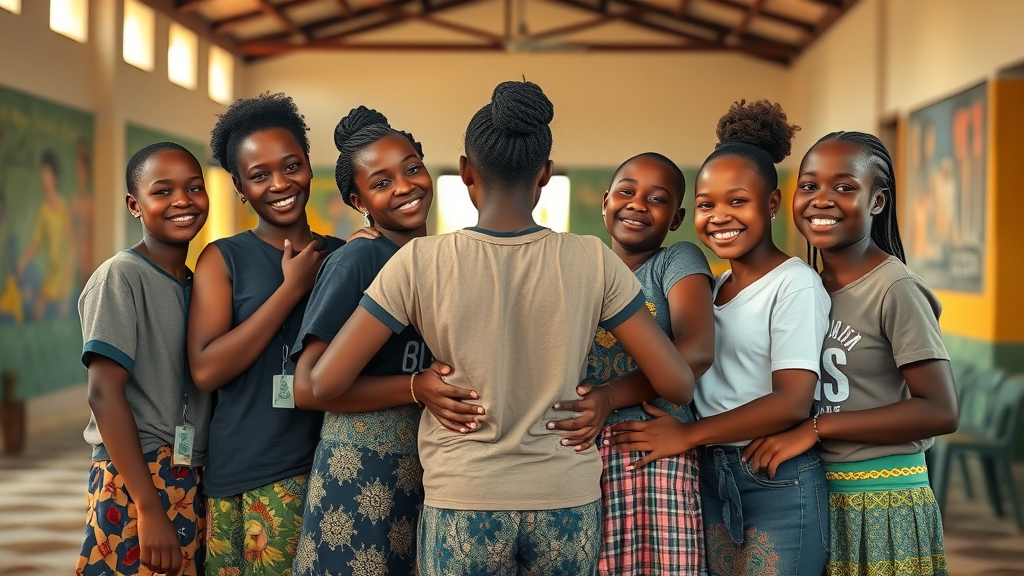
Hopeful group of Ugandan adolescent girls, empowered and united in menstrual health awareness

Looking for more ways to support your daughter? Find guides and resources in our Maternal & Child Health section at casehospital.org

Sources

  • UNICEF – https://www.unicef.org/uganda/stories/tearing-down-barriers-menstrual-hygiene-management

  • World Health Organization – https://www.who.int/health-topics/menstruation#tab=tab_1

  • Girls Not Brides – https://www.girlsnotbrides.org/articles/menstrual-health-management-keeping-girls-in-school/

  • Case Hospital – https://casehospital.org/

Case Clinic voices - Community stories

Write A Comment

*
*
Related Posts All Posts
09.24.2025

A Holistic Approach to Snakebite Management in Uganda: Culture, Knowledge, and Community

A Holistic Approach to Snakebite Management in Uganda: Culture, Knowledge, and CommunityDid you know that snakebite envenoming claims over 100,000 lives worldwide every year? In Uganda, this public health threat is especially acute, yet its management offers a unique interplay between cultural traditions, indigenous ecological knowledge, and community participation. This article explores the compelling journey behind holistic snakebite management Uganda, revealing how blending ancient wisdom with modern approaches holds the key to saving lives and fostering coexistence.Understanding snakebite risks in Uganda requires more than just medical knowledge—culture, traditional ecological knowledge (TEK), and community engagement shape prevention and treatment outcomes in profound ways. Join us as we delve into these interconnected domains to uncover the challenges and breakthroughs transforming health landscapes in rural Uganda. Startling Realities of Snakebite Envenoming in UgandaOver 100,000 annual global deaths from snakebite envenomingSub-Saharan Africa, including Uganda, among the most affected regionsSnakebite management deeply intertwined with culture and traditional knowledge in rural UgandaSnakebite envenoming is a significant but often overlooked health crisis globally, disproportionately impacting sub-Saharan Africa and Uganda in particular. Despite this burden, many affected communities rely heavily on culturally rooted beliefs and locally acquired traditional knowledge in managing snakebite incidents. This reality complicates responses, as cultural practices can both mitigate and amplify the risk.In Uganda, where many live adjacent to natural snake habitats, the challenge is compounded by limited healthcare infrastructure and delayed antivenom access. These factors highlight the urgent need for solutions beyond purely clinical interventions—solutions that respect and harness cultural and ecological insights for effective snakebite management.Understanding the Role of Culture in Holistic Snakebite Management Uganda Cultural Beliefs as Protective FactorsTaboos preventing snake killing in some communitiesFolktales educating children to avoid snake habitatsMukasa Emmanuel, CEO of Herp Fauna Foundation Uganda, explains: “In eastern Uganda, elders use stories to teach children about snake risks, which helps reduce incidents.”Cultural beliefs play a powerful dual role in holistic snakebite management Uganda. In many communities, snake-related taboos protect snakes from being killed unnecessarily, supporting ecological balance and reducing harmful human-snake confrontations. Moreover, traditional stories passed down through generations serve to educate the young about avoiding dangerous areas, such as dense bushes or certain water points known to harbor venomous snakes.As Mukasa Emmanuel from Herp Fauna Foundation Uganda notes, these cultural practices act as customized risk reduction measures embedded in community life. By guiding behavior through storytelling and prohibitions, many Ugandans gain a practical awareness of snake dangers long before formal education or health messaging reaches them.Cultural Misconceptions and Their Impact on Bite Management Snakebites sometimes attributed to witchcraft or cursesDelays in seeking antivenom treatment due to reliance on traditional healersHarmful first-aid practices like incisions and snake stones worsening outcomesHowever, cultural beliefs also pose obstacles to effective snakebite treatment. In parts of northern and western Uganda, snakebites are frequently interpreted as witchcraft or curses, leading victims to first seek traditional healing rather than fast, clinical antivenom treatment. This delay can be fatal, as venom effects intensify without timely care.Moreover, some traditional first-aid methods, such as making incisions around the bite or applying "snake stones," may exacerbate injuries and infection risk. These misconceptions highlight the critical need to blend respect for cultural contexts with education that promotes safe and evidence-based treatment in holistic snakebite management Uganda.Traditional Ecological Knowledge (TEK) in Snakebite Prevention and TreatmentValuable Insights from Generations of Ecological InteractionSeasonal snake activity awareness among farmers and herdersUse of natural repellents such as lemongrass to deter snakesMukasa Emmanuel highlights: “TEK offers practical strategies like avoiding rocky crevices during dry seasons, which can reduce snake encounters.” Traditional Ecological Knowledge (TEK) contributes significantly to holistic snakebite management Uganda by leveraging deep awareness of snake behaviours and habitats. For instance, farmers and herders understand seasonal patterns when snakes are most active and adjust their practices accordingly. In Karamoja, herders avoid sleeping next to rocky crevices during the dry season—spots favored by venomous vipers.Additionally, many communities employ natural repellents like lemongrass or maintain cleanliness around homesteads to reduce rodent populations, which in turn deters snakes. Such practices reflect an intricate blend of ecological insight and practical action grounded in centuries of local experience.Challenges in Integrating TEK with Modern TreatmentInaccurate snake species identification risksReliance on untested herbal antidotesUrgent need to validate TEK alongside scientific knowledge amid environmental changesDespite its strengths, TEK faces challenges when integrated with modern snakebite care. Misidentification of snake species can lead to inappropriate responses or ineffective herbal treatments. The reliance on traditional remedies without scientific validation exposes patients to risks of worsening conditions.Given environmental shifts from habitat loss and climate change altering snake behavior, incorporating TEK with rigorous scientific approaches is essential. This synergy could enhance prevention and treatment strategies within holistic snakebite management Uganda, ensuring traditional wisdom evolves alongside modern medicine.Community Engagement: The Cornerstone of Effective Snakebite ManagementSuccessful Community-Based Initiatives in Uganda Involvement of local leaders, teachers, and traditional healers in education programsTraining youth volunteers as "snake safety champions" in the Albertine RiftProvision of torches, boots, and educational posters to villagesSignificant reduction in snakebite incidents and fatalities over two yearsCommunity engagement serves as the vital glue binding culture and knowledge to effective snakebite prevention and care in Uganda. Programs that partner with local leaders, educators, and traditional healers foster trust and tailor messaging to cultural contexts and local languages.One standout initiative in the Albertine Rift trained youth volunteers as "snake safety champions," equipping villages with essential protective gear and educational materials to identify venomous snakes. Over two years, these efforts led to marked decreases in snakebite incidents and fatalities, exemplifying successful community-driven solutions within holistic snakebite management Uganda.Consequences of Limited Community EngagementMisinformation and fear-driven reactions such as indiscriminate snake killingDelays in seeking medical treatmentIncreased human-snake conflicts due to habitat displacement from development projects Conversely, when community engagement is lacking, negative consequences multiply. Fear often drives indiscriminate killing of snakes, including non-venomous species critical to ecological balance. Additionally, misinformation or lack of trusted education delays victims’ arrival at health facilities for lifesaving antivenom treatment.Development activities without community consultation—such as road building or plantation expansion—destroy snake habitats, increasing human-snake conflict. These outcomes underscore community engagement as indispensable to sustainable holistic snakebite management Uganda.Toward an Integrated and Holistic Snakebite Management Uganda Strategy Respecting cultural beliefs while promoting evidence-based treatmentUplifting and validating traditional ecological knowledgeFostering inclusive community engagement in public health and conservation policiesMukasa Emmanuel emphasizes: “Culture and traditional knowledge are bridges, not barriers, to effective snakebite management.”Moving forward, a comprehensive holistic snakebite management Uganda strategy demands respectful integration of cultural norms, traditional ecological knowledge, and effective community engagement with modern medical practices. Policymakers and health actors must champion this approach to improve outcomes and foster coexistence.Mukasa Emmanuel, CEO of Herp Fauna Foundation Uganda, aptly states, “Culture and traditional knowledge are bridges, not barriers, to effective snakebite management.” Using these bridges can transform Uganda’s snakebite response from fragmented to resilient and life-saving.Comparison of Snakebite Management Approaches in UgandaApproachStrengthsLimitationsCultural PracticesPromotes avoidance behaviors; community cohesionMay delay medical treatment; some harmful beliefsTraditional Ecological KnowledgeSeasonal and habitat awareness; natural repellentsRisk of misidentification; unproven remediesCommunity EngagementImproves education and timely treatment; reduces fatalitiesRequires sustained resources and local buy-in What You'll LearnThe complex role of culture in snakebite management in UgandaHow traditional ecological knowledge contributes to preventionThe critical importance of community engagement for effective outcomesStrategies for integrating these elements into holistic snakebite management Common Questions About Snakebite Management in UgandaWhat are the 7 principles of snake bite management?The 7 principles include early recognition, safe immobilisation, rapid transport to health facility, appropriate antivenom administration, management of complications, preventing secondary injuries, and community education. These foundational steps align with holistic snakebite management principles by combining clinical care with awareness and behavior change.How to neutralize snake venom naturally?While some natural remedies and traditional herbs are used in Ugandan communities, no scientifically validated natural antidote exists that reliably neutralizes snake venom. Prompt medical treatment with antivenom remains the only proven method for neutralizing venom effectively. Traditional ecological knowledge, however, supports prevention by advising avoidance of snake habitats and use of natural repellents. Can moringa cure snake bites?Moringa is valued for its nutritional and medicinal properties but there is no scientific evidence to support its use as a cure for snakebites. It may, however, be part of traditional healing preparations aimed at general health support, but should never replace urgent medical treatment.Which herb is best for snake bite?Herbal remedies vary among communities, with some plants used traditionally as first-aid aids. However, no herb is scientifically proven as a reliable snakebite antidote. Integrating traditional ecological knowledge with modern medicine calls for more research to validate safe and effective herbal treatments.Key TakeawaysHolistic snakebite management in Uganda requires blending culture, TEK, and community action.Cultural beliefs can both help and hinder effective bite management.Traditional ecological knowledge offers valuable prevention tools but needs scientific validation.Community engagement is essential to reduce snakebite incidents and improve treatment outcomes.Conclusion: Embracing a Holistic Approach to Snakebite Management UgandaMukasa Emmanuel, of Herp Fauna Foundation Uganda, states, “Integrating culture, traditional knowledge, and community engagement is not just beneficial—it is essential for saving lives and fostering coexistence with nature.”To save more lives, Ugandan communities and health systems must embrace a united front combining cultural respect, traditional wisdom, and active participation with modern snakebite treatment strategies.Community Engagement: Share Your Traditional WisdomDoes your community have traditional knowledge about wildlife safety that could save lives? Share your story and help build the global database of traditional ecological knowledge that's transforming conservation science.[Share your knowledge in the comments below]In Uganda, snakebite envenoming presents a significant public health challenge, particularly in rural areas where traditional practices and limited healthcare resources intersect. A study conducted in Kamuli District revealed that many communities rely on traditional remedies, such as applying herbs, paraffin, and even a 500-shilling coin to the bite area, due to perceptions linking snakebites to ancestral spirits and witchcraft. This reliance often leads to delays in seeking medical treatment, exacerbating health outcomes. (pubmed.ncbi.nlm.nih.gov)Healthcare practitioners also face challenges in managing snakebite cases effectively. Research indicates that only 9.6% of healthcare workers in high-incidence districts have received formal training on snakebite management. This lack of training, coupled with inadequate supplies of antivenom and the high cost of treatment, hampers effective care delivery. (pubmed.ncbi.nlm.nih.gov)Efforts to address these issues are underway. The Ministry of Health, in collaboration with partners, has reviewed the draft Uganda Snakebite Prevention and Management Strategy. This strategy emphasizes community awareness, first aid education, improved reporting, and research to inform policies. It also highlights the need for better supply chain management to ensure the availability of appropriate antivenoms. (heps.or.ug)Integrating cultural beliefs, traditional ecological knowledge, and community engagement with modern medical practices is essential for effective snakebite management in Uganda. By respecting and incorporating these elements, healthcare providers can develop more effective prevention and treatment strategies, ultimately reducing the burden of snakebite envenoming in the country.

06.14.2025

Uganda Healthcare Providers: Choosing the Best for Your Health

Navigating Uganda healthcare providers can transform your life—and peace of mind—by ensuring you get the best treatment, affordability, and patient respect. Whether you’re a Ugandan resident, new arrival, or visitor, understanding what sets the top providers apart is key. In this article, you’ll uncover practical steps, expert tips, and local insight to confidently make informed choices for your health in Uganda. Unlocking Quality: What To Know About Uganda Healthcare Providers When you think about your health in Uganda, choosing from the wide range of Uganda healthcare providers can sometimes feel overwhelming. The country’s healthcare system is uniquely structured, with both public and private sector options, each catering to different needs and budgets. Understanding this structure is the starting point to finding healthcare that prioritizes your well-being and offers top-notch medical attention. Registered Uganda healthcare providers come with inherent benefits: regulated standards, trained personnel, legal accountability, and reliable services. Seeking out providers that are part of the official registry protects you from malpractice, ensures medical staff have received recognized training, and guarantees better response in emergencies. Top-rated providers in Uganda also shine due to updated equipment, patient-focused service, multilingual staff, and streamlined administrative processes. Understanding the Ugandan healthcare system structure: Uganda’s network includes national, regional, and district hospitals alongside health centers and specialized clinics. Knowing the hierarchy helps you identify the most suitable level of care for your needs. Key benefits of choosing registered Uganda healthcare providers: These include professional standards, certified medical teams, and proper incident handling. What sets top-rated Uganda healthcare providers apart: Look for quality facilities, clear patient communication, and high community satisfaction. Welcoming Uganda healthcare providers interacting with patients at a hospital reception. Comparing Uganda Healthcare Providers: Public vs Private For many people in Uganda, deciding between public and private healthcare providers is a critical first step. Public providers, operated by the government, generally offer essential health services either free or at low cost. These facilities are available countrywide and serve a large segment of the population. However, public hospitals and clinics can face long wait times due to higher patient numbers and at times, limited resources. In contrast, private healthcare providers—including faith-based and for-profit entities—often stand out for their shorter waiting lines, newer infrastructure, and access to specialist doctors. Private clinics may offer quicker consultations, better amenities, and advanced technology, but these benefits often come at a higher fee. The balance to strike between cost, convenience, and quality depends on your health needs and financial situation. Feature Public Providers Private Providers Services Essential, wide coverage, basic amenities Specialist care, premium facilities, personalized service Accessibility Nationwide, easy to access, high patient traffic Major towns/cities, easier for those with higher income Cost Low or free (for basics); minimal specialist fees Varies—often high, insurance may help Essential Services Offered by Uganda Healthcare Providers Reliable Uganda healthcare providers offer a wide spectrum of services—many of which are crucial for preventive care and timely treatment. Primary care and general clinics are the first touchpoints for most Ugandans, providing outpatient consultations, immunizations, basic laboratory services, and routine screenings. These facilities ensure the population stays healthy through education and front-line disease management. Primary care and general clinics in Uganda: Routine checkups, diagnosis of common ailments, vaccinations, and referral services. Modern clinic waiting area in Uganda with patients awaiting consultation. Specialist services: Cardiology, Pediatrics, Obstetrics, and more: Many providers have departments with trained specialists for heart conditions, childhood illnesses, women’s health, orthopedics, and chronic diseases. Complex cases are often managed through networks that facilitate referrals up to regional or national hospitals. Maternal and child health services from Uganda healthcare providers: Services include prenatal care, labor and delivery support, postnatal checks, and vaccination schedules for young children. These offerings have a significant impact on public health, reducing mortality rates and supporting family well-being. Emergency services and responsiveness in Uganda's healthcare sector: Top-tier providers maintain 24/7 emergency units equipped to handle trauma, acute illnesses, and sudden health challenges, with trained staff ready to intervene quickly. Ambulance services and well-coordinated response teams are also a mark of high-quality providers. Top Criteria for Selecting Uganda Healthcare Providers Picking the right Uganda healthcare providers for yourself or your family should not be left to chance. Several factors distinguish a good clinic or hospital from an average one. Accreditation and licensing are the very first things to check: only work with providers that meet Ministry of Health standards and whose facilities are regularly inspected for compliance. Thoughtful Ugandan patient reviewing healthcare provider certificates and accreditation. Accreditation and licensing of Uganda healthcare providers: Ensure clinics or hospitals appear in official registries and have current certifications displayed publicly. Doctor qualifications and staff expertise: Investigate staff qualifications, continuous medical education, and participation in professional development courses. Facility hygiene and infrastructure quality: Cleanliness and modern equipment are crucial for safe, effective care. Reliable infrastructure reduces the risk of infection and allows for better diagnosis and treatment outcomes. Patient reviews and community reputation: Listening to local feedback helps you evaluate consistency in service delivery. Community trust is often earned over years of good medical care and patient satisfaction. Insurance acceptance and payment options: Confirm whether your preferred provider takes health insurance, accepts NHIS, or offers flexible cash payment plans. Common Questions about Uganda Healthcare Providers How do I verify if a healthcare provider is licensed in Uganda? You can verify a provider's license by checking the Ministry of Health Uganda website or visiting the facility to inspect displayed certification. Many clinics also publish their credentials online or on notice boards within the reception area. What is the difference between clinics and hospitals in Uganda healthcare? Clinics in Uganda typically handle outpatient care, minor ailments, and preventive services, while hospitals provide comprehensive inpatient care, surgeries, extensive diagnostics, and specialist treatments. Are private Uganda healthcare providers more reliable than public ones? Private healthcare providers often offer shorter wait times, modern amenities, and specialized services. However, many public facilities deliver reliable essential care, especially in emergencies. Your choice should depend on personal needs, urgency, and location. What should I look for during a hospital visit in Uganda? Look for cleanliness, staff professionalism, up-to-date licenses, transparent billing, and clear communication from medical staff. Pay attention to patient flow and observe how questions or emergencies are managed for signs of quality. Tips for Navigating Uganda Healthcare Providers: Local Insights Navigating the system of Uganda healthcare providers will be much smoother with practical, step-by-step guidance and a bit of local wisdom. Booking an appointment—especially in private or top public clinics—adds structure to your visit, reduces waiting time, and ensures you get the specialist or service you truly need. Prepare thoroughly for your appointment to get the most out of your time with the healthcare professional. Step-by-step guide for booking appointments with Uganda healthcare providers: Call your chosen provider or use their online system to request an appointment. Confirm your preferred date and time; some clinics offer walk-in but appointments guarantee consultation. Provide your details, explain your concern, and ask for the specific department if you need a specialist. Bring your ID or insurance card if applicable. Checklist for preparing for your healthcare visit: Carry all medical records, current medications, and referral letters as needed. List symptoms and questions for your doctor. Arrive early to complete registration and insurance forms. Arrange for transport, especially if using a facility far from home or outside main cities. Advice for non-residents seeking care in Uganda: Always go to reputable facilities; use embassy-recommended or internationally-known clinics when in doubt. Make sure you understand emergency procedures, payment systems, and keep essential contacts on hand. Friendly Ugandan healthcare provider receptionist assisting a patient with appointment booking. Expert Opinions on Uganda Healthcare Providers ‘Choosing healthcare in Uganda requires careful consideration of both provider credentials and patient needs.’ – Ugandan Health Expert ‘Look for transparency, hygiene, and accreditation when selecting your clinic or hospital.’ – Patient Advocate, Kampala Quick Reference: Top-Rated Uganda Healthcare Providers Provider Name Location Specialties Key Features Mulago National Referral Hospital Kampala General, Emergency, Surgery, Maternal Health Teaching hospital, 24/7 emergency, government-run, highest level of care International Hospital Kampala (IHK) Kampala Multi-specialty, Pediatrics, Cardiology Accredited, private, advanced diagnostics, international standards Nsambya Hospital Kampala General, Surgery, Maternity Not-for-profit, patient-focused, modern surgical units Mbarara Regional Referral Hospital Mbarara General, Maternal and Child Health Regional center, well-equipped, affordable Cure Children’s Hospital Mbale Pediatric Neurosurgery Specialized children's care, non-profit, highly trained staff Prestigious Uganda healthcare provider hospital exterior with patients entering and vibrant landscaping. Frequently Asked Questions about Uganda Healthcare Providers Can expatriates use Uganda healthcare providers? Yes, expatriates can access both public and private facilities. Private hospitals may be more familiar with international insurance and offer more culturally diverse services. What is covered under NHIS (National Health Insurance Scheme) in Uganda? The NHIS in Uganda (in implementation and pilot phases as of 2024) generally covers outpatient visits, inpatient stays, maternal and child health, and selected medications at accredited facilities. Are emergency services available 24/7 in Uganda healthcare centers? Major hospitals and some larger clinics operate emergency services round-the-clock. Smaller rural clinics may have more limited hours, so for emergencies, always contact larger providers when possible. How can I provide feedback about my experience with Uganda healthcare providers? Feedback can be submitted through the hospital’s suggestion boxes, official website contact forms, Ministry of Health feedback channels, or direct communication with patient relations offices. Modern Uganda hospital emergency department with medical staff attending to emergency cases. Key Insights for Choosing Uganda Healthcare Providers Assess credentials, accreditation, and facility standards: Make these your starting point for safety and quality assurance. Compare public and private options for affordability and service levels: Factor in both your budget and specific health needs. Read patient reviews and seek recommendations: Real experiences and word-of-mouth are invaluable for assessing consistency and reliability. Your Health, Your Choice: Selecting the Right Uganda Healthcare Providers Recap of steps for choosing Uganda healthcare providers: Verify licensing, check services and accessibility, and compare patient feedback for confidence in your choice. Empowering patients to make informed decisions: Being thorough with research and not hesitating to ask questions puts your health in your own hands. Resources for ongoing healthcare support in Uganda: The Ministry of Health website, local community health workers, and expat forums are key sources for up-to-date support and guidance. Conclusion: Actively research, compare, and vet Uganda healthcare providers to protect your health and your loved ones. Your well-being depends on informed choices—take charge today! When selecting healthcare providers in Uganda, it’s essential to consider both public and private options to find the best fit for your health needs. Public facilities, such as Mulago National Specialised Hospital, offer comprehensive services and serve as teaching hospitals affiliated with institutions like Makerere University College of Health Sciences. ( en.wikipedia.org ) Private hospitals, including Nakasero Hospital, provide specialized care in areas like internal medicine, pediatrics, and surgery, often with shorter wait times and modern amenities. ( en.wikipedia.org ) Additionally, platforms like AfyaSwift facilitate convenient access to healthcare services by allowing users to search for doctors, book appointments, and even consult via telemedicine. ( afyaswift.ug ) By exploring these resources, you can make informed decisions to ensure quality and affordable healthcare in Uganda.

06.14.2025

Healthy Marriages Start with You: Discover the Role of Personal Well-Being

The Importance of Personal Well-Being in RelationshipsFor many, the foundation of a healthy marriage is built on individual well-being. A thriving relationship starts with self-care, emotional health, and a strong sense of identity. If you feel fulfilled and content within yourself, it becomes significantly easier to cultivate a positive partnership. This realization has become increasingly popular among couples who understand that nurturing their personal journeys can lead to a more harmonious marital experience.In 'Healthy marriages start with you', the discussion dives into the significance of individual health in relationships, stimulating insightful analysis and perspectives. Understanding the Impact of Mental Health on MarriagesMental health plays a critical role in relationship dynamics. Stress, anxiety, and depression can seep into marriages, often creating rifts between spouses. Counseling and therapeutic interventions can be immensely beneficial. Seeking help or engaging in proactive emotional practices not only aids in personal well-being but can profoundly enrich your relationship.Practical Steps Towards Building a Stronger PartnershipOne practical approach is to integrate open communication into the daily routine. Couples that engage in honest conversations about their feelings, fears, and dreams tend to reinforce their bonds. Additionally, engaging in activities together—like cooking healthy meals or exercising—can improve both physical health and relationship quality.Case Clinics Uganda: A Vital Resource for Health and WellnessIn Kampala, healthcare services such as Case Clinics Uganda provide numerous resources, including counseling, nutritional guidance, and community health outreach. These services aim not only to treat ailments but also to foster relationships and educate families on the importance of health in family dynamics.Conclusion: Take the Next Step for a Healthier RelationshipBy prioritizing personal health and well-being, individuals can optimize their relationships. Remember, a healthy marriage starts with you, and resources like Case Clinics Uganda are available to support your journey. For personalized care and consultations that can empower both you and your family, contact Case Clinics today at +256-800-211005 or +256-701-250362. Taking that first step toward better health can initiate the positive changes needed for lasting happiness.

Terms of Service

Privacy Policy

Core Modal Title

Sorry, no results found

You Might Find These Articles Interesting

T
Please Check Your Email
We Will Be Following Up Shortly
*
*
*