


Add Row
Add Element
  • Case Clinic
    • #We Are Case Clinic
    • #Case Clinic Doctor Spotlights
    • #Case Clinic Stars - Heroes In Scrubs profile
    • #Case Clinic Nurses - Spotlight
    • *CASE CLINIC NEWS CHRONICLE
    • Ask Case Clinic - Health Hub Inquiries
    • #CASE STILLNES OF LIFE'S SOUL
    • *#@ SELFCARE SUPERPOWER
    • Nurse Nightingale's Nuggets
    • #Nurse Nightingale Nuggets
    • @CASE CLINIC SOCIAL SPACES
  • Case Medcare
    • Case Clinic Health Desk -Daily Health Tips
    • Case Medcare Insurance- Medical Coverage
    • Case Clinic Surgeons -Surgery practitioners
    • Case Clinic Tropical Dx- Infectious Disease
    • Case Clinic Perinatal - Mum-To-Be Wellness
    • Case Clinic Kids- Paediatrics & Parenting
    • Case Clinic Nutritionist - Dietician
    • Case Rehab Fit & Focused
    • Case Clinics CEO Corner
  • Case Hospitals
    • Case Clinic Men's WellCare
    • Case Clinic voices - Community stories
    • Case Beacons- Boardroom to Bedside
    • Case Clinic Outreach - Health drives
    • Case Clinic Nurses - Bedside Care Givers
  • Case Chronicles
    • Case Clinic - Chronic disease care
    • Case Clinic Chronicles
  • Case Insider
    • digital health innovation
    • Case Clinic Digest - Case care Updates
    • Global Health News - Daily health news
  • Case Care
    • Case Travel Tourism- Vaccinations
    • Case Mental Wellness Care
    • Case Care - Women + Teen Girls
    • Case Clinic Services - hospital departments
    • #Holistic Naturopathic Medicine
    • #Case Go Green -Tropical Ecosphere
    • Regional Health Facilities
    • Medical Policy Governance
    • #Case Serenity Melodies For The Mood
    • International Nurse Networks
  • #WE ARE CASE HOSPITAL
    • #@CASE CARDILOGY CATHLAB
    • #@CASE HOSPITAL JINJA
    • #@CASE HOSPITAL ENTEBBE
    • #@CASE HOSPITAL NAALYA
  • # WELCOME TO CASE MED SERVICES
    • #@CASE SELFCARE SANCTUARY
    • #@CASE CLINIC FOUNDER'S FORUM
    • #@CASE SATELLITE HOSPITALS
    • #@CASE CLINIC CRESTED CRANES
    • *@ADVERT$ BILLBOARD
    • #@CASE CLINIC BILLBOARD
    • *@CASE COMMUNITY BILLBOARD
  • *#CASE CLINIC LEGACY
    • *#CASE CLINIC IMPACT
    • *#CASE HOSPITAL LEGACY
  • update
  • update
  • update
  • update
  • update
  • update
  • update
Add Element
September 22.2025
2 Minutes Read

Case Clinics Uganda: Celebrating 30 Years of Health Service Commitment

Case Clinics Uganda presentation with clinician in a medical tent setting.


Celebrating Three Decades of Commitment

In a heartwarming celebration at Entebbe International Airport, Case Hospital recently marked its 30th anniversary of dedicated service to the community. The event was led by Fa Huma, an administrator at Case Hospital, who articulated the importance of this milestone not just as a moment of reflection but also as an opportunity to reaffirm their commitment to the community they serve. “Our anniversary is a chance to give back,” Fa Huma stated, highlighting the essence of healthcare as a caring mission.


In 'Giving Back to the Community: Case Medcare Entebbe Medical Camp', the discussion highlights the importance of healthcare outreach, prompting us to delve deeper into its significance and positive outcomes for the community.

Health Outreach: A Gift to the Community

As part of their anniversary celebrations, Case Hospital partnered with the Civil Aviation Authority to launch a health outreach program, aimed at providing free medical services to the local community. This initiative included vital services such as HIV testing, blood sugar screening, body mass index (BMI) assessments, and ECG heart checks, as well as free consultations with medical officers and access to counseling services from psychologists for those in need. Fa Huma emphasized, “This outreach is a way of saying thank you for trusting us with your health over the years.”

Corporate Social Responsibility: A Core Principle

At the heart of Case Hospital's mission lies a strong commitment to corporate social responsibility. This recent outreach solidifies their goal of prioritizing community health and well-being. By offering these free services, they are not just giving back; they are actively contributing to improving public health standards in Kampala. The hospital’s commitment is evident, showcasing their dedication to serving not just patients, but the entire community.

Why This Matters: The Value of Accessible Healthcare

The services provided during the outreach are crucial for individuals and families who might not have easy access to healthcare. Conditions such as high blood sugar or undetected HIV can have life-altering consequences if left untreated. Initiatives like these not only provide immediate health benefits but also foster community trust and engagement in one’s own health journey.

Future Prospects and Continuous Support

Looking forward, Case Hospital aims to continue its outreach efforts, ensuring that health resources remain accessible to everyone in the region. Their commitment to innovation in patient care includes adopting new technologies and expanding their service range. Fa Huma's message to the community is clear: “We look forward to serving you better,” signifying that the hospital will remain a staple of healthcare in Kampala.
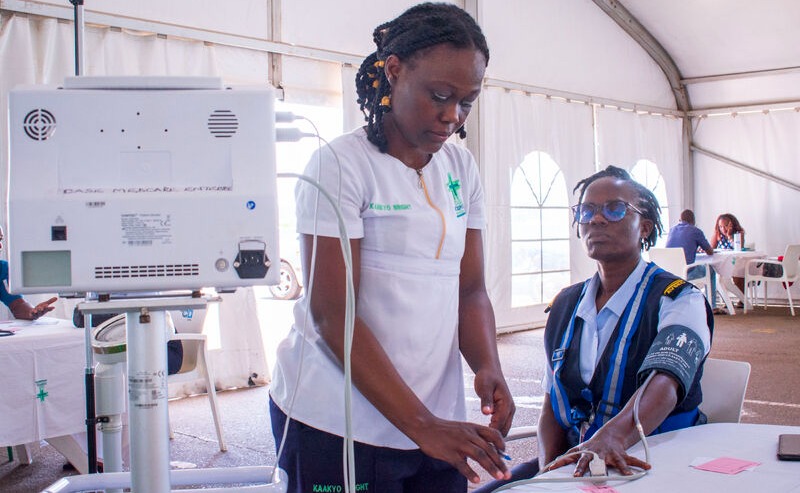
In a world where healthcare accessibility is paramount, Case Hospital’s outreach initiative serves as an inspiring example of how medical institutions can make a difference. By engaging in such acts of service, they not only celebrate their history but also pave the way for a healthier future.

Join the journey of health and care with Case Clinics Uganda. For medical consultations, contact them at +256-800-211005 or +256-701-250362.


*@CASE COMMUNITY BILLBOARD

0 Comments

Write A Comment

*
*
Please complete the captcha to submit your comment.
Related Posts All Posts
03.03.2026

Exploring the Link Between Menstrual Cycles and Digestive Upsets

Update Understanding the Connection Between Menstruation and Digestive Health Many women experience digestive discomfort right before or during their menstrual period, with symptoms ranging from diarrhea to bloating and cramps. This phenomenon isn't just a coincidence; it is deeply tied to hormonal fluctuations. Specifically, these fluctuations involve hormones like estrogen, progesterone, and prostaglandins that have a significant impact on gut health. Hormonal Fluctuations: The Underlying Cause During a menstrual cycle, estrogen and progesterone levels rise and fall dramatically. As these hormones fluctuate, they can influence gastrointestinal (GI) motility and sensitivity. For instance, a decline in estrogen and progesterone just before menstruation can stimulate the production of prostaglandins, which are chemicals that facilitate uterine contractions to shed the lining. However, these prostaglandins also act on the smooth muscles of the GI tract, leading to increased bowel movements or diarrhea in some women. In fact, studies indicate that approximately 73% of women report some digestive issues during their period, with 24% specifically noting diarrhea as a frequent symptom. The Role of Prostaglandins in Digestive Discomfort When menstruation begins, elevated levels of prostaglandins can trigger intense contractions not only in the uterus but also in the intestines. This increased activity often results in loose stools and even abdominal pain. In parallel, many women with existing conditions like Irritable Bowel Syndrome (IBS) observe a worsening of their symptoms during their menstrual cycle due to similar hormonal impacts on the gut. Managing Digestive Symptoms During Your Cycle Recognizing the connection between hormonal changes and digestive symptoms is crucial for managing your health. Women can implement several strategies to alleviate discomfort during their periods: Stay Hydrated: Adequate hydration can combat bloating and support digestion. Maintain a Fiber-Rich Diet: Foods high in fiber, including whole grains and leafy greens, can ease constipation and promote regular bowel movements. Exercise Lightly: Gentle physical activities, such as walking or yoga, can help alleviate bloating and improve circulation. Remember, if your digestive issues are severe or persist beyond your period, seeking advice from a healthcare professional is essential. When to Seek Further Assistance While it's common to experience digestive changes during your menstrual cycle, persistent or painful symptoms warrant a visit to your healthcare provider. Conditions such as endometriosis can amplify digestive issues, leading to severe bloating and discomfort that necessitate specialized care. In conclusion, understanding the impact of your menstrual cycle on your digestive health can empower you to take charge of your wellbeing. By monitoring your symptoms and adopting proactive health strategies, you can navigate this natural process with greater ease. For more insights on managing your health, follow Case Clinic Hospital on LinkedIn!

03.03.2026

Building Progress: The Power of Consistency in Your Daily Grind

Update The Importance of Daily Consistency in Progress As we wrap up February, it’s an opportune moment to reflect on our journey and the importance of daily consistency. Oftentimes, we view progress as a monumental leap, but the most substantial growth comes from the incremental changes we make every single day. For individuals, families, business owners, and corporate executives residing in Uganda, understanding that progress is not a race can lead to sustainable achievement. The mantra of small, yet deliberate steps can help combat burnout and foster deeper connections to our goals. Building Momentum Through Small Wins In the realm of personal and professional development, the idea that small actions yield big results is crucial. As echoed in various insights from experts, such as those at Godaelli Psychiatry, celebrating small victories acts as a motivational catalyst, propelling you to push forward. Instead of aiming for perfection, focus on these daily wins—be it setting up a morning routine or logging an extra hour in the office. This consistent behavior creates a positive feedback loop that builds your momentum. Resilience in the Face of Setbacks Enduring personal growth is never devoid of challenges. It's essential to acknowledge that consistency does not mean flawless execution. Life’s unpredictability can throw hurdles in the path of your goals. However, the real strength lies in returning to your consistent habits even after setbacks. This resilience is not just about maintaining routine; it’s about cultivating self-trust and assurance that you can address obstacles as they arise. The Social Dimension of Progress As we aim for consistent steps towards healthcare and wellness, let’s recognize the social fabric that enhances our collective journey. Sharing these experiences and committing to mutual accountability can deepen relationships. For business leaders, encouraging this atmosphere within teams can amplify productivity while fostering a supportive work culture. Commit to Your Wellness Journey For those in Uganda seeking comprehensive medical care and wellness services, remember this: the grind is worth it. Each day you engage with your health—monitoring your diet, staying active, or seeking preventative care—is a brick laid in the foundation of your overall wellbeing. The journey may not be a sprint; it can feel like a steady climb, but persistence pays off in health. So, as we step into a new month, let’s pledge to recognize and honor our consistent efforts. Keep stepping out and putting in the work; every bite-sized action counts. To stay updated on health tips and progress narratives, follow Case Clinic Hospital on LinkedIn!

03.02.2026

Unlock Your Potential Through Self-Care: Tips for a Refreshing Weekend

Update Recharging Acts: Why Taking Time for YOU Matters As the hustle and bustle of life takes its toll, weekends offer a golden opportunity to log out of stress and embrace self-care. The idea of spending time rejuvenating isn’t just a luxury; it’s a necessity for managing mental and physical health. According to health experts, engaging in activities that promote relaxation and happiness can contribute significantly to our overall well-being. The Importance of Self-Care: More than Just a Buzzword Engaging in self-care provides a chance to reset our minds and bodies, especially after a demanding week. From simple activities like taking a relaxing bath, practicing mindfulness, or going for a walk in nature, the benefits are plentiful. Research highlights how self-care practices can reduce stress hormones, improve mood, and enhance overall resilience. For instance, gratitude journaling—writing down the things you are thankful for—has been shown to decrease anxiety and promote positive emotions. Practical Self-Care Ideas to Consider Incorporating self-care into your routine can be simple. Here are some straightforward self-care ideas that can easily fit into your weekend plans: Go for a walk: Just 15 minutes of brisk walking can boost your concentration and energy. Try a digital detox: Step away from social media to clear your mind and focus on the present. Schedule a healthcare appointment: If you’ve been putting off that check-up, take this time to prioritize your health. Take a mental health day: Use a day off to recharge and focus on activities that uplift you. Follow Case Clinic for Better Wellness Guidance The importance of self-care cannot be overstated, particularly as we all cope with unique stresses. By following Case Clinic Hospital on LinkedIn, you can access more insightful content on maintaining wellness and prioritize your health. They provide valuable resources that address your health needs in Kampala and beyond. Follow Case Clinic Hospital On LinkedIn

Terms of Service

Privacy Policy

Core Modal Title

Sorry, no results found

You Might Find These Articles Interesting

T
Please Check Your Email
We Will Be Following Up Shortly
*
*
*