

Add Row
Add Element
  • Case Clinic
    • #We Are Case Clinic
    • #Case Clinic Doctor Spotlights
    • #Case Clinic Stars - Heroes In Scrubs profile
    • #Case Clinic Nurses - Spotlight
    • *CASE CLINIC NEWS CHRONICLE
    • Ask Case Clinic - Health Hub Inquiries
    • #CASE STILLNES OF LIFE'S SOUL
    • *#@ SELFCARE SUPERPOWER
    • Nurse Nightingale's Nuggets
    • #Nurse Nightingale Nuggets
  • Case Medcare
    • Case Clinic Health Desk -Daily Health Tips
    • Case Medcare Insurance- Medical Coverage
    • Case Clinic Surgeons -Surgery practitioners
    • Case Clinic Tropical Dx- Infectious Disease
    • Case Clinic Perinatal - Mum-To-Be Wellness
    • Case Clinic Kids- Paediatrics & Parenting
    • Case Clinic Nutritionist - Dietician
    • Case Rehab Fit & Focused
    • Case Clinics CEO Corner
  • Case Hospitals
    • Case Clinic Men's WellCare
    • Case Clinic voices - Community stories
    • Case Beacons- Boardroom to Bedside
    • Case Clinic Outreach - Health drives
    • Case Clinic Nurses - Bedside Care Givers
  • Case Chronicles
    • Case Clinic - Chronic disease care
    • Case Clinic Chronicles
  • Case Insider
    • digital health innovation
    • Case Clinic Digest - Case care Updates
    • Global Health News - Daily health news
  • Case Care
    • Case Travel Tourism- Vaccinations
    • Case Mental Wellness Care
    • Case Care - Women + Teen Girls
    • Case Clinic Services - hospital departments
    • #Holistic Naturopathic Medicine
    • #Case Go Green -Tropical Ecosphere
    • Regional Health Facilities
    • Medical Policy Governance
    • #Case Serenity Melodies For The Mood
    • International Nurse Networks
  • #WE ARE CASE HOSPITAL
    • #@CASE CARDILOGY CATHLAB
    • #@CASE HOSPITAL JINJA
    • #@CASE HOSPITAL ENTEBBE
    • #@CASE HOSPITAL NAALYA
  • # WELCOME TO CASE MED SERVICES
    • #@CASE SELFCARE SANCTUARY
    • #@CASE CLINIC FOUNDER'S FORUM
    • #@CASE SATELLITE HOSPITALS
    • #@CASE CLINIC CRESTED CRANES
    • *@ADVERT$ BILLBOARD
    • #@CASE CLINIC BILLBOARD
    • *@CASE COMMUNITY BILLBOARD
  • *#CASE CLINIC LEGACY
    • *#CASE CLINIC IMPACT
    • *#CASE HOSPITAL LEGACY
  • update
  • update
  • update
  • update
  • update
  • update
  • update
Add Element
September 18.2025
2 Minutes Read

Fix Blood Pressure Measurement Problems: Essential Techniques for Nurses

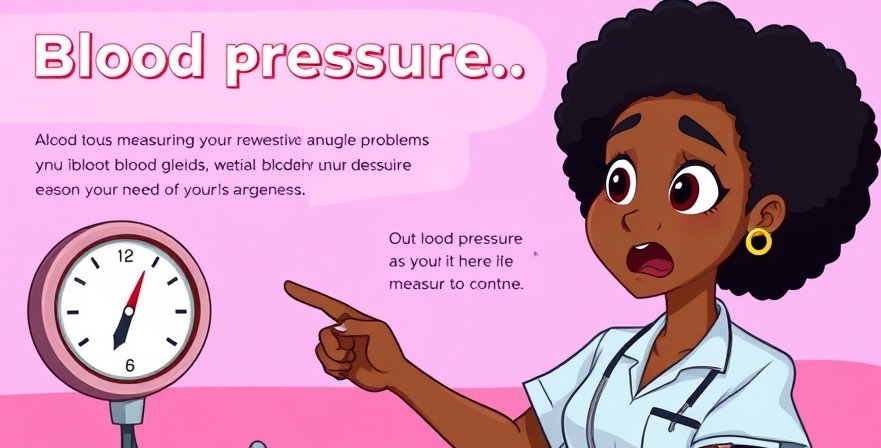
Nursing skills training on blood pressure technique with concerned African nurse pointing at gauge.


Understanding Blood Pressure Measurement Challenges

For healthcare professionals, mastering the technique of blood pressure measurement is fundamental. As highlighted in the video titled Blood Pressure Problem: Needle Keeps Bouncing in Place?? Try This Fix..., one common issue faced during manual readings is the needle bouncing on the gauge. This situation arises primarily due to improper air release from the valve, which can lead to inaccurate readings and confusion on the healthcare provider’s part.


In the video Blood Pressure Problem: Needle Keeps Bouncing in Place?? Try This Fix..., the discussion dives into common challenges in manual blood pressure readings, exploring key insights that sparked deeper analysis on our end.

Perfecting Your Technique: The Key to Accurate Readings

To avoid the needle getting stuck, practitioners must develop a steady rhythm when releasing air. The ideal pace is approximately 2 to 3 millimeters of mercury per second, which allows for a smooth transition of sounds and readings on the gauge. For many, especially nursing students and new healthcare workers in Uganda and East Africa, this skill requires practice and patience. Understanding the sounds produced during systolic and diastolic readings can further aid in accurate assessments.

Cultivating Practical Skills Through Online Learning

In an era where online learning is on the rise, healthcare students in the region can harness several resources to improve their blood pressure measurement techniques. Utilizing videos, interactive simulations, and peer discussions can provide valuable feedback and insights into this critical skill. Emphasizing proper technique not only enhances the immediate effectiveness of healthcare providers but ultimately serves to better patient outcomes in the long term.

Emphasizing Continuous Education and Training

As healthcare nurses and nursing students strive for excellence, continuous education and practice are vital. Engaging with platforms that offer training nuggets focused on practical skills can aid in retaining critical knowledge, ensuring a stable foundation in nursing practice.

By embracing these practices and refining skills, we can enhance the overall quality of healthcare delivery and patient satisfaction in East Africa. This commitment to learning and skill refinement is what differentiates an exceptional nurse from a good one. As you embark on your journey to perfecting blood pressure measurement, consider integrating these insights into your daily practice.


digital health innovation

Write A Comment

*
*
Related Posts All Posts
12.15.2025

Master Blood Pressure Readings: Essential for Nurses in East Africa

Update Understanding Blood Pressure: A Critical Patient Vital Sign The importance of accurately measuring blood pressure cannot be overstated in the healthcare profession. This vital sign is an indicator of how effectively the heart is functioning and how well blood is circulating throughout the body. For healthcare professionals, especially nurses and nursing students in Uganda and East Africa, mastering the technique of measuring blood pressure is crucial. Proper blood pressure readings can prevent misdiagnosis and ensure timely medical interventions, which can be a matter of life and death.In 'Blood Pressure Reading Practice: What is this Blood Pressure?', the discussion dives into the fundamental skills needed for accurate blood pressure measurement, exploring key insights that sparked deeper analysis on our end. The Basics of Blood Pressure Readings Blood pressure is recorded as two numbers: systolic (the pressure when the heart beats) over diastolic (the pressure when the heart rests between beats). Understanding the values is essential—normal blood pressure is generally considered to be around 120/80 mmHg. Readings above this can indicate hypertension, which can lead to severe health complications if left untreated. This knowledge is vital for nurses working in various healthcare settings, from clinics to hospitals. The Role of Continuous Learning in Nursing As the healthcare landscape evolves, it’s imperative for nurses and nursing students to stay informed about best practices in techniques like blood pressure measurement. Online learning platforms can provide additional resources and training to reinforce these skills. This is particularly beneficial in regions like East Africa, where access to traditional in-person training may be limited. Utilizing online resources can empower healthcare professionals to enhance their competencies and improve patient care standards. Emphasizing Human Connection in Healthcare Effective healthcare goes beyond technical skills. Nurses often serve as the first line of communication between patients and the healthcare system. By not only measuring blood pressure accurately but also explaining its significance to patients, nurses can foster trust and improve compliance. This connection is vital in a community setting where health literacy can vary significantly among individuals. Learning how to appropriately measure blood pressure and understanding its implications is not only a professional skill but also a personal commitment to the health of one’s community. For those interested in exploring deeper insights and practical applications, participating in courses focused on blood pressure assessment can be greatly beneficial.

12.21.2025

The Emotional Journey in Nursing Assessments: A Unique Perspective

Explore the emotional journey of nursing assessments and how it impacts patient care, especially in Uganda. Dive into the connections between personal experiences and professional insights.

12.11.2025

Essential Guide to Fetal Heart Rate Monitoring for Nursing Students

Update Understanding Fetal Heart Rate Monitoring: An Essential Tool Fetal heart rate monitoring plays a critical role in assessing the well-being of a baby during labor. As nurses and nursing students in Uganda and East Africa prepare for their careers, it is essential to grasp the techniques for monitoring fetal heart tones closely, ensuring both mother and child receive optimal care.In Fetal Heart Rate Monitoring Nursing NCLEX, the discussion dives into essential monitoring techniques, exploring key insights that sparked deeper analysis on our end. Two Methods of Monitoring There are two primary methods to monitor fetal heart rates: internal and external monitoring. Internal monitoring utilizes a spiral electrode that connects directly to the baby's scalp, providing reliable data but requiring an invasive procedure. External monitoring, on the other hand, employs an ultrasound transducer placed on the mother's abdomen. While this method is less invasive, it is also less reliable due to factors like the baby's position. Normal and Abnormal Heart Rate Patterns Normal fetal heart rates range from 110 to 160 beats per minute. In this context, understanding accelerations and decelerations is crucial. An acceleration, defined as a temporary increase of more than 15 beats per minute above the baseline for at least 15 seconds, suggests robust fetal health. In contrast, decelerations—whether early, variable, or late—can indicate potential complications requiring immediate nursing intervention. Decoding Decelerations: A Key Nursing Aspect Early decelerations mirror the mother's contractions and typically do not require intervention as they indicate normal fetal response. However, variable decelerations are concerning and usually stem from umbilical cord compression, necessitating interventions like changing maternal positions and administering supplemental oxygen. Late decelerations, caused by uteroplacental insufficiency, demand urgent action, often including contacting a physician for possible emergency procedures. The Lifesaving Importance of Monitoring With the knowledge gained from fetal heart rate monitoring, nurses are equipped to make critical decisions that can impact mother and baby’s health positively. Understanding these patterns can significantly improve outcomes during labor and delivery, supporting health systems in Uganda and East Africa in enhancing maternal and newborn health care. As you prepare for your nursing exams or enhance your practical skills, consider accessing additional study resources focused on fetal monitoring. Ensuring you are well-informed equips you to provide the best possible care for your patients.

Terms of Service

Privacy Policy

Core Modal Title

Sorry, no results found

You Might Find These Articles Interesting

T
Please Check Your Email
We Will Be Following Up Shortly
*
*
*