

Add Row
Add Element
  • Case Clinic
    • #We Are Case Clinic
    • #Case Clinic Doctor Spotlights
    • #Case Clinic Stars - Heroes In Scrubs profile
    • #Case Clinic Nurses - Spotlight
    • *CASE CLINIC NEWS CHRONICLE
    • Ask Case Clinic - Health Hub Inquiries
    • #CASE STILLNES OF LIFE'S SOUL
    • *#@ SELFCARE SUPERPOWER
    • Nurse Nightingale's Nuggets
    • #Nurse Nightingale Nuggets
  • Case Medcare
    • Case Clinic Health Desk -Daily Health Tips
    • Case Medcare Insurance- Medical Coverage
    • Case Clinic Surgeons -Surgery practitioners
    • Case Clinic Tropical Dx- Infectious Disease
    • Case Clinic Perinatal - Mum-To-Be Wellness
    • Case Clinic Kids- Paediatrics & Parenting
    • Case Clinic Nutritionist - Dietician
    • Case Rehab Fit & Focused
    • Case Clinics CEO Corner
  • Case Hospitals
    • Case Clinic Men's WellCare
    • Case Clinic voices - Community stories
    • Case Beacons- Boardroom to Bedside
    • Case Clinic Outreach - Health drives
    • Case Clinic Nurses - Bedside Care Givers
  • Case Chronicles
    • Case Clinic - Chronic disease care
    • Case Clinic Chronicles
  • Case Insider
    • digital health innovation
    • Case Clinic Digest - Case care Updates
    • Global Health News - Daily health news
  • Case Care
    • Case Travel Tourism- Vaccinations
    • Case Mental Wellness Care
    • Case Care - Women + Teen Girls
    • Case Clinic Services - hospital departments
    • #Holistic Naturopathic Medicine
    • #Case Go Green -Tropical Ecosphere
    • Regional Health Facilities
    • Medical Policy Governance
    • #Case Serenity Melodies For The Mood
    • International Nurse Networks
  • #WE ARE CASE HOSPITAL
    • #@CASE CARDILOGY CATHLAB
    • #@CASE HOSPITAL JINJA
    • #@CASE HOSPITAL ENTEBBE
    • #@CASE HOSPITAL NAALYA
  • # WELCOME TO CASE MED SERVICES
    • #@CASE SELFCARE SANCTUARY
    • #@CASE CLINIC FOUNDER'S FORUM
    • #@CASE SATELLITE HOSPITALS
    • #@CASE CLINIC CRESTED CRANES
    • *@ADVERT$ BILLBOARD
    • #@CASE CLINIC BILLBOARD
    • *@CASE COMMUNITY BILLBOARD
  • *#CASE CLINIC LEGACY
    • *#CASE CLINIC IMPACT
    • *#CASE HOSPITAL LEGACY
  • update
  • update
  • update
  • update
  • update
  • update
  • update
Add Element
August 28.2025
2 Minutes Read

How Regulatory Updates Enhance Safety in Packing and Shipping Dangerous Goods

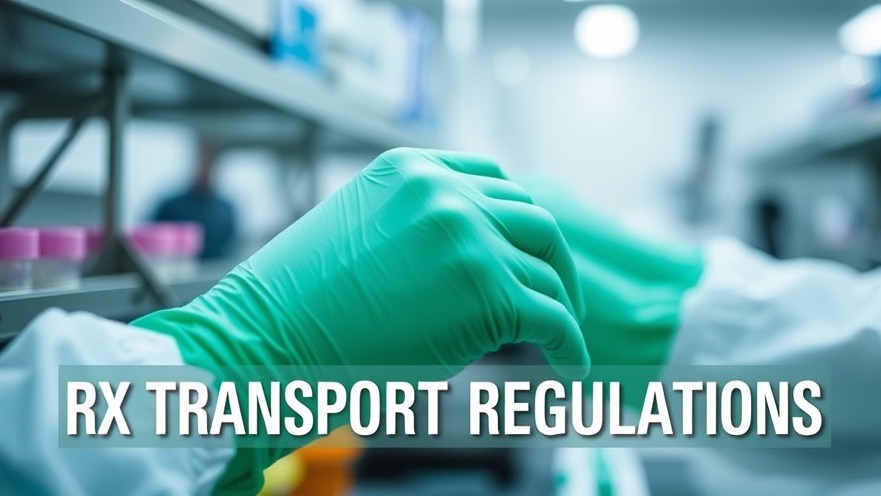
Green-gloved hands handling lab gear, highlighting IATA regulations for dangerous goods compliance.


Understanding Regulatory Requirements for Packing and Shipping Dangerous Goods in Healthcare

In the evolving landscape of healthcare logistics, regulatory compliance regarding the packing and shipping of dangerous goods has never been more crucial. The need for healthcare professionals to understand and embrace guidelines set forth by entities like the CDC and IATA (International Air Transport Association) cannot be overstated. Recent webinars, such as the one hosted by Vic Whitten and featuring expert voices like Alicia Branch and Isaiah Hurtado, shed light on vital resources and training for those entrenched in the complexities of laboratory operations.


In 'Regulatory Updates and Resources for Packing and Shipping Dangerous Goods Trainers', key insights were presented about ensuring safety protocols, prompting a deeper dive into training needs.

Why It Matters: The Impacts of Improper Packaging

Improper packing and shipping of dangerous goods can lead to catastrophic outcomes. It's not just about compliance with laws—it's about the safety of patients and healthcare workers alike. The latest regulations, particularly updates included in the IATA’s 2025 Dangerous Goods regulations, spotlight the urgency of addressing infectious substances and hazardous materials properly. For instance, recent classifications, such as Mpox being deemed a Category A infectious substance, necessitate updated training and solutions for laboratory staff involved in packing and transporting specimens.

The Role of Training: Ensuring Preparedness and Safety

The CDC’s initiative, particularly its “Packing and Shipping Dangerous Goods: What Laboratory Staff Must Know” e-learning course, is an indispensable resource aimed at bridging this knowledge gap. Through structured training programs, healthcare professionals can grasp essential packing and shipping standards, thereby underpinning the significance of regulatory requirements that demand general awareness and functional training to mitigate risks associated with dangerous goods.

Steps to Become a Qualified Instructor

To effectively disseminate this information, the CDC has established a clear path for individuals seeking to become qualified instructors in this field. A comprehensive approach is taken, including the completion of foundational courses coupled with hands-on training opportunities. Notably, professionals are encouraged to co-facilitate training sessions, thereby enhancing both instructional quality and participant engagement.

Collaboration Among Healthcare Professionals: A Unified Commitment

The call for collaboration resonates throughout the recent discussions among trainers. Engaging experienced professionals in the training process allows new instructors to benefit from their expertise while ensuring best practices spread across the healthcare network. The development of a community of practice dedicates itself to building a knowledgeable workforce capable of effectively handling dangerous goods.

Conclusion: A Call to Action for Training Participation

In conclusion, healthcare professionals are urged to take an active role in educating themselves regarding the packaging and shipping of dangerous goods. As the regulatory environment becomes increasingly intricate, leveraging resources from organizations like the CDC and participating in training sessions will be paramount. Interested individuals are encouraged to reach out and express interest in upcoming courses designed specifically for this purpose. By prioritizing education on these matters, we not only ensure compliance but also elevate the standards of safety and care in healthcare.


Global Health News - Daily health news

Write A Comment

*
*
Related Posts All Posts
12.21.2025

How the Vessel Sanitation Program Protects Public Health on Cruise Ships

Update Understanding the Vessel Sanitation Program's Role The Vessel Sanitation Program (VSP), initiated by the Centers for Disease Control and Prevention (CDC) in 1975, plays a critical role in maintaining the safety and health of millions who travel on cruise ships each year. This program is dedicated to preventing outbreaks of gastrointestinal illnesses on cruise ships, safeguarding public health through rigorous standards and inspections.In 'Vessel Sanitation Program: Protecting Public Health on Cruise Ships since 1975', the discussion dives into crucial hygiene measures implemented on cruise ships, prompting a deeper analysis of its significance for health care professionals. How the Program Functions The VSP collaborates closely with the cruise industry, providing guidelines that help ensure cleanliness and hygiene aboard ships. Regular training and inspections are integral aspects of the program, enhancing crew knowledge about food safety, cleanliness, and disease prevention protocols. By creating a culture of safety, the VSP prepares cruise ships to handle potential health hazards effectively. The Impact of the Program on Public Health With its decades-long commitment to public health, the VSP has successfully minimized the risk of infectious disease transmission on cruise ships, providing peace of mind to passengers. By maintaining high sanitation standards, the program not only protects individual passengers but also contributes to broader public health efforts. Health care professionals, particularly in the cruise tourism sector, need to understand the importance of these regulations in protecting vulnerable populations aboard. Challenges Faced by the VSP Despite its successes, the VSP faces challenges such as evolving pathogens and the need to adapt to the changing dynamics within the cruise industry, especially in light of the COVID-19 pandemic. Continuous training and adapting to new health data are essential functions of the program as they work to prevent outbreaks in the ever-evolving landscape of global travel. Actionable Insights for Health Care Professionals Health care professionals must stay informed about cruise ship regulations and guidelines regarding sanitation. It's essential to not only understand these protocols but also to advocate for public health measures that protect travelers. Knowledge of the VSP’s practices can empower health professionals to educate patients on safe travel practices, especially for those with pre-existing conditions. Conclusion: Embracing Safety Standards in Communities The ongoing work of the Vessel Sanitation Program embodies a proactive approach to safeguarding public health while enjoying travel experiences. For health care professionals, understanding this program is not just relevant for those working in travel health but also crucial in broader discussions about public health and sanitation in all communal settings. It is vital for professionals in health care to advocate and educate their communities about the importance of sanitation protocols. By fostering awareness, we contribute not only to the safety of travel but also to the health of communities globally. Join the conversation on health safety in travel and beyond!

12.19.2025

Recognizing Infection Risks in Healthcare: A Guide for Professionals

Update Understanding Infection Risks in Healthcare Settings Healthcare professionals operate on the front lines of patient care, facing unique challenges each day. One of the most pressing concerns in these environments is the risk of infections, which can have severe consequences not just for patients, but also for staff and the healthcare system at large. In the recent video, "Recognize Infection Risks in Healthcare," critical insights into managing these risks were presented, emphasizing the importance of awareness and proactive measures.In 'Recognize Infection Risks in Healthcare,' the discussion dives into the critical importance of identifying and managing infection risks, exploring key insights that sparked deeper analysis on our end. The Importance of Infection Prevention Infections in healthcare settings can arise from various sources, including surgical procedures, catheters, and ventilators, leading to longer hospital stays and increased healthcare costs. By understanding the pathways through which infections spread, healthcare workers can implement essential strategies to minimize risks. This includes following proper hand hygiene protocols, utilizing sterile equipment, and maintaining a clean environment. Common Types of Healthcare-Associated Infections (HAIs) Healthcare-associated infections (HAIs) are varied and can occur in any healthcare setting. The CDC identifies several common types, including: Catheter-Associated Urinary Tract Infections (CAUTIs): These often result from the prolonged use of catheterization. Central Line-Associated Bloodstream Infections (CLABSIs): These infections can occur when a central line is improperly managed. Ventilator-Associated Pneumonia (VAP): Patients on ventilators are at heightened risk due to the equipment's design and function. Awareness of these HAIs allows for timely intervention and education among staff, which is crucial in both preventing and treating these infections. Strategies to Reduce Infection Risks Several evidence-based strategies can help healthcare professionals mitigate the risk of infections effectively. Training staff on infection control practices is vital, as is the use of checklists to ensure compliance with guidelines. Moreover, incorporating technology—such as antimicrobial surfaces and UV sterilization—into healthcare settings has shown promise in reducing the incidence of HAIs. Creating a Culture of Safety Ultimately, fostering a culture of safety is essential. This begins with open communication among healthcare staff, where they feel empowered to report concerns or unsafe practices without fear of reprimand. Ensuring adequate staffing levels and providing ongoing training are also key elements in sustaining this culture. Each team member plays a role in infection prevention, and collaboration can significantly reduce risks. Why This Matters For healthcare professionals, recognizing and addressing infection risks is not just about adhering to protocols but fundamentally about patient care. By prioritizing infection prevention, you not only improve outcomes for patients but also enhance the overall efficacy and reputation of healthcare facilities. As healthcare evolves, staying informed about emerging risks and prevention strategies remains a priority.

12.17.2025

Navigating the Total Testing Process for Enhanced Patient Care

Update Understanding the Total Testing Process in Healthcare The Total Testing Process is a systematic approach to clinical testing that comprises three essential phases: pre-analytic, analytic, and post-analytic. This process is crucial for healthcare professionals who aim to ensure diagnostic accuracy and improve patient outcomes. Each phase is interconnected, leading to a robust framework for delivering quality healthcare through rigorous testing protocols.In 'What is the Total Testing Process?', the video highlights the crucial phases of testing in clinical settings, prompting us to delve deeper into how these processes influence patient care. The Importance of the Pre-Analytic Phase The pre-analytic phase lays the groundwork for successful diagnostic outcomes. It begins with the patient encounter, where healthcare providers evaluate symptoms and determine the necessity for testing. Engaging in thorough communication during this stage is pivotal; it helps physicians select the appropriate tests and minimizes the risk of misdiagnoses. The clinical laboratory's role in this phase is to offer valuable consultation on test selection, emphasizing the importance of understanding laboratory capabilities and developing effective testing algorithms. Challenges and Solutions in Specimen Collection One of the most critical steps in the pre-analytic phase involves specimen collection. It’s essential to ensure that samples are collected properly to avoid errors. Healthcare professionals must be vigilant regarding proper labeling, storage, and transportation of specimens. Confusing test names or overlapping clinical symptoms can complicate decision-making, so collaboration among care teams can lead to more accurate selections of tests and enhanced clarity in the testing process. Key Elements of the Analytic Phase Once specimens arrive at the laboratory, they enter the analytic phase, where samples are prepared and tested. This stage is heavily governed by standard operating procedures to ensure consistency and accuracy in testing. Laboratories need to maintain a documented record of testing conditions, ensuring that results reflect the true condition of the patient. With the rigorous monitoring of testing conditions, healthcare providers can better assess the reliability of test outcomes. Post-Analytic Phase: Where Most Errors Occur The final phase, post-analytic, is crucial for informed clinical decision-making. It involves analyzing the data, reporting test results, and interpreting them in the context of patient care. This phase is often where miscommunication can lead to significant consequences, such as treatment errors or delays in necessary interventions. Healthcare providers must ensure that results are relayed promptly and accurately to avoid misinterpretation and maintain optimal patient management. How the Total Testing Process Enhances Patient Care The Total Testing Process is more than just a series of steps; it’s a comprehensive guide that healthcare professionals can utilize to maintain reliability and quality across testing phases. By adhering to protocols established by the Clinical Laboratory Improvement Amendments (CLIA), diagnostic laboratories can continuously monitor and improve the accuracy of their systems, thereby ultimately enhancing patient care. In conclusion, the Total Testing Process provides valuable insights for healthcare professionals navigating the complexities of clinical testing. Understanding the intertwined pre-analytic, analytic, and post-analytic phases is imperative for ensuring patient safety and care quality. Implementing these processes effectively not only reduces diagnostic errors but also fosters collaborative relationships among healthcare teams. Learn more about optimizing testing protocols within your practice today! Together, we can enhance patient outcomes and uphold the standards of excellence in healthcare.

Terms of Service

Privacy Policy

Core Modal Title

Sorry, no results found

You Might Find These Articles Interesting

T
Please Check Your Email
We Will Be Following Up Shortly
*
*
*