

Add Row
Add Element
  • Case Clinic
    • #We Are Case Clinic
    • #Case Clinic Doctor Spotlights
    • #Case Clinic Stars - Heroes In Scrubs profile
    • #Case Clinic Nurses - Spotlight
    • *CASE CLINIC NEWS CHRONICLE
    • Ask Case Clinic - Health Hub Inquiries
    • #CASE STILLNES OF LIFE'S SOUL
    • *#@ SELFCARE SUPERPOWER
    • Nurse Nightingale's Nuggets
    • #Nurse Nightingale Nuggets
  • Case Medcare
    • Case Clinic Health Desk -Daily Health Tips
    • Case Medcare Insurance- Medical Coverage
    • Case Clinic Surgeons -Surgery practitioners
    • Case Clinic Tropical Dx- Infectious Disease
    • Case Clinic Perinatal - Mum-To-Be Wellness
    • Case Clinic Kids- Paediatrics & Parenting
    • Case Clinic Nutritionist - Dietician
    • Case Rehab Fit & Focused
    • Case Clinics CEO Corner
  • Case Hospitals
    • Case Clinic Men's WellCare
    • Case Clinic voices - Community stories
    • Case Beacons- Boardroom to Bedside
    • Case Clinic Outreach - Health drives
    • Case Clinic Nurses - Bedside Care Givers
  • Case Chronicles
    • Case Clinic - Chronic disease care
    • Case Clinic Chronicles
  • Case Insider
    • digital health innovation
    • Case Clinic Digest - Case care Updates
    • Global Health News - Daily health news
  • Case Care
    • Case Travel Tourism- Vaccinations
    • Case Mental Wellness Care
    • Case Care - Women + Teen Girls
    • Case Clinic Services - hospital departments
    • #Holistic Naturopathic Medicine
    • #Case Go Green -Tropical Ecosphere
    • Regional Health Facilities
    • Medical Policy Governance
    • #Case Serenity Melodies For The Mood
    • International Nurse Networks
  • #WE ARE CASE HOSPITAL
    • #@CASE CARDILOGY CATHLAB
    • #@CASE HOSPITAL JINJA
    • #@CASE HOSPITAL ENTEBBE
    • #@CASE HOSPITAL NAALYA
  • # WELCOME TO CASE MED SERVICES
    • #@CASE SELFCARE SANCTUARY
    • #@CASE CLINIC FOUNDER'S FORUM
    • #@CASE SATELLITE HOSPITALS
    • #@CASE CLINIC CRESTED CRANES
    • *@ADVERT$ BILLBOARD
    • #@CASE CLINIC BILLBOARD
    • *@CASE COMMUNITY BILLBOARD
  • *#CASE CLINIC LEGACY
    • *#CASE CLINIC IMPACT
    • *#CASE HOSPITAL LEGACY
  • update
  • update
  • update
  • update
  • update
  • update
  • update
Add Element
June 15.2025
9 Minutes Read

Medcare Services Uganda: Top Care When It Matters Most

Did you know? In Uganda, over 30% of people living in rural areas face obstacles in accessing quality health care , but Medcare Services Uganda is leading the way to change this narrative. With a unique blend of comprehensive medical care , social care , and innovative partnerships like Project Echo , Medcare Services Uganda ensures that when you need help most, you get the very best care services, fast, compassionate, and specialized. Read on to learn how this Case Hospital Medical Centre is not just meeting, but truly transforming, the healthcare needs of Ugandans everywhere.


Medcare Services Uganda modern hospital exterior with signage, bustling activity and welcoming atmosphere

Did You Know? Medcare Services Uganda Transforms Lives Across Uganda

  • In this article, you'll discover how Medcare Services Uganda delivers medical care and social care to those who need it most.

  • What sets Medcare Services Uganda apart in the medical services sector.

  • Why choosing a leading medical centre impacts your health outcomes.

  • How you can access specialized care services instantly.

Understanding Medcare Services Uganda: Your Partner in Comprehensive Medical Care

What is Medcare Services Uganda and How Does It Work?

Medcare Services Uganda stands at the forefront of providing both medical care and social care, delivering a wide spectrum of services that address every aspect of patient wellbeing. Unlike traditional medical centres that only focus on clinical needs, Medcare Services Uganda integrates crucial social support , creating a safety net for individuals and families across Buganda Road and greater Uganda. With expertly trained staff, partnerships with Project Echo and ties to organizations like Seed Global Health , every patient is assured tailored care services from routine checkups to intensive care and chronic disease management.

The facility's operating model is designed to make medical services accessible, affordable, and family-centered. Patients can walk in for urgent consultations, book appointments online, or receive remote advice through telemedicine , empowering even the most remote communities. The community health approach also means that vulnerable groups, such as Watoto Child and elderly patients, receive targeted support for both physical and psychological needs.
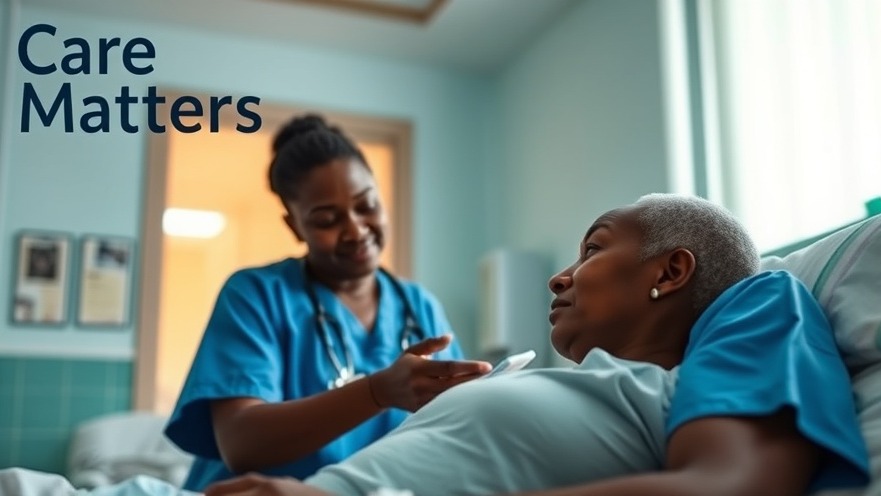

A compassionate African healthcare provider interacts with a patient, embodying 'Care Matters' in a soothing hospital setting.

Why Choose Medcare Services Uganda Over Other Medical and Social Care Providers?

“Medcare Services Uganda has become a vital resource for holistic care, combining expert medical service with compassionate social care.” – Dr. Josephine Akena, Senior Physician

How Medcare Services Uganda Compares: Case Medcare vs. Other Medical Services

Facility

Range of Care Services

Social Care Offerings

Emergency Response Time

Patient Satisfaction (%)

Medcare Services Uganda

Full diagnostics, inpatient/outpatient, women’s/children’s, chronic care, telemedicine

Integrated—counseling, family support, community programs

Under 15 minutes

98%

Case Medical Centre

Diagnostics, standard inpatient/outpatient, specialist referrals

Limited—primarily referral-based

30-40 minutes

85%

Standard Medical Centres

Basic consultations and treatment

Minimal or none

1-2 hours

68%

Where other providers like Medcare or even larger options like Mulago Hospital may focus mainly on clinical care, Medcare Services Uganda distinguishes itself through unparalleled social care integration. This means not only do patients receive expert medical treatment , but families, children, and at-risk populations benefit from ongoing support for well-being far beyond the exam room.

The rapid emergency response time and enhanced patient satisfaction highlight why Medcare Services Uganda is trusted by the community and ranked as one of the top medical centres in Uganda. Its innovative partnership with Project Echo allows it to reach patients even in remote East African locations, amplifying its reputation for truly comprehensive health care .

Leading Medical Centre Facilities at Medcare Services Uganda

State-of-the-Art Equipment and Case Medical Centre Partnerships

  1. Advanced diagnostics (imaging, labs, specialist assessments)

  2. Women’s and children’s medical care (maternity, pediatrics, immunization)

  3. Integrated pharmacy with expert pharmacists on site

  4. Accessible social care offices and family counselors

  5. 24/7 emergency service with ambulance and rapid response team

  6. Telemedicine through Project Echo for remote communities

Medcare Services Uganda invests heavily in modern medical equipment and facilities that rival, and often surpass, other Medical centres in East Africa . Through strategic alliances with Medical Centre and programs like Seed Global Health , patients benefit from cutting-edge technology, coordinated care management, and always-on emergency response . The telemedicine platform, Project Echo, broadens reach across Uganda, delivering real-time expertise to remote clinicians, further reducing care delays.

Whether you're visiting for routine care, chronic disease management, or require urgent intervention, the facility's robust suite of care services ensures efficiency, privacy, and comfort for every patient. The result? More lives saved, more families supported, and a community empowered with quality health outcomes.
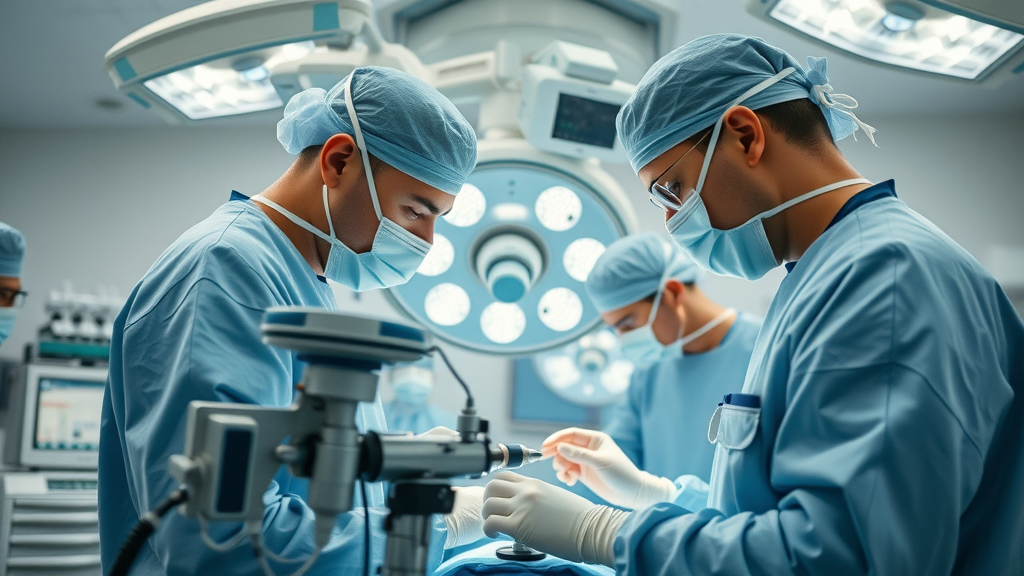

State-of-the-art medical equipment and collaborative medical team at Medcare Services Uganda, operating in a clinical environment

Core Care Services Provided by Medcare Services Uganda

Medical Services: Inpatient, Outpatient, and Specialized Treatment Plans

At Medcare Services Uganda, medical services are delivered via a patient-centered model that prioritizes accessibility and outcomes. Inpatient care is supported by comfortable rooms and continuous monitoring, while outpatient clinics provide fast diagnostics, disease screenings, vaccinations, and same-day treatments. Specialized treatment plans address chronic illnesses such as diabetes, hypertension, HIV/AIDS (including antiretroviral therapy ), and mental health challenges, ensuring every patient receives full-detail, individualized support.

The professional staff, including highly trained healthcare managers and allied specialists, leverage partnerships with Medcare and global health experts to provide the highest standard of care. By utilizing evidence-based treatments and seamless care coordination, Medcare Services Uganda ensures each patient gets effective results whether attending in person or remotely through telemedicine.

Patients also gain access to rehabilitation and preventive services, creating a continuum of medical care that sets Medcare apart from typical medical centres in Uganda and across other African countries .

Social Care Integration: How Support Goes Beyond Medical Care

What truly differentiates Medcare Services Uganda is its deep social care integration. Unlike many competitors that restrict their role to medical care alone, this institution understands that quality health extends well beyond the exam room. Professional social workers and counselors engage with patients and families to address challenges such as housing instability , nutrition insecurity , and mental health support .

With tailored services for vulnerable populations, including Watoto Child and at-risk elderly, Case Medcare coordinates multi-disciplinary interventions, connecting families to community resources, spearheading education campaigns, and monitoring long-term well-being. Community health initiatives also mean that support is available even after patients leave the medical centre: follow-ups, social check-ins, and health education are standard.

These holistic care services have made Medcare Services Uganda a model for other care providers across the East African region, raising the bar in integrating global health trends into localized support.

Medcare Services Uganda and Project Echo: Extending Medical Service Access

Project Echo Explained: Virtual Expertise for Rural Clinics

One of the most innovative aspects of Medcare Services Uganda’s mission is its embrace of Project Echo, a tele-mentoring platform originally born out of global health partnerships. Project Echo connects rural clinics and their staff with experienced specialists at Medcare’s main medical centre , providing real-time consultations, remote diagnostics, and best-practice guidance over secure video conferencing.

Instead of having to travel to major urban hospitals, patients and local clinicians can now access immediate support for complex cases, often within minutes. This bridges critical healthcare gaps for East African rural communities, where distance and lack of specialist expertise have historically limited quality health outcomes.

With Project Echo, Medcare Services Uganda isn’t just delivering care, they are empowering local providers, building sustainable healthcare capacity, and scaling best practices to every corner of Uganda.


Nurse holding patient’s hand in a sunlit room, emphasizing that Care Matters.

Patient Testimonials Highlighting the Impact of Medcare Services Uganda

“Choosing Medcare Services Uganda was the best decision for my family, their personalized care services changed our lives.” – Sarah, Kampala

Sarah’s story is just one example of how Medcare Services Uganda consistently exceeds patient expectations. From first-time visits for routine medical services to ongoing social care support during difficult life events, patients consistently report warmth, trust, and transparency in every interaction.

Other families, including children from Watoto Child programs, highlight the impact of school-based health initiatives, counseling, and follow-up care provided through this unique integration of medical and social services . The facility receives frequent praise for its modern facilities, compassionate staff, and quick, reliable emergency response compared to alternatives like Medical Centre or Mulago Hospital.

These testimonials underscore why Medcare is recognized as a leading medical service provider not just in Kampala, but across Uganda and the East Africa region.


Grateful family and healthcare provider at Medcare Services Uganda celebrating successful care outcomes

How to Access Medcare Services Uganda’s Medical Care and Social Care

Booking Your First Appointment or Social Support Consultation

Accessing Medcare Services Uganda is simple and streamlined, reflecting the facility’s commitment to "care when it matters most." You can book appointments online through their digital platform, call their reception directly for immediate needs, or walk in for urgent care. For those seeking social care support , dedicated counselors and social workers are available for consultations either at the medical centre or remotely, thanks to their advanced telemedicine and Project Echo systems.

Whether you want to discuss a specific health concern, need urgent access to quality health care , or require ongoing family support, the process is always confidential, swift, and patient-centered. All steps, from registration to follow-up, are designed for maximum accessibility, making Medcare a prime choice for families, organizations, and individuals seeking the best in medical care and care services .

For those living beyond Kampala or in under-served communities, Project Echo ensures you’re always within reach of expert advice, bridging the gap between emerging global health standards and the realities of rural life in African countries.


Compassionate care by a smiling African nurse holding a patient's hand, showcasing warmth.

Frequently Asked Questions about Medcare Services Uganda

What is Medcare Services Uganda known for?

Medcare Services Uganda is renowned for its holistic approach : blending advanced medical care (inpatient, outpatient, and emergency services) with integrated social care support, and extending healthcare access to rural communities through partnerships like Project Echo . Their commitment to excellence makes them a top medical centre in Uganda.

How does Medcare Services Uganda differ from a typical case medical centre?

Unlike many case medical centres that provide mostly clinical services, Medcare Services Uganda integrates robust social care through counseling, community outreach, and personalized support, alongside state-of-the-art diagnostics and telemedicine capabilities. Their rapid emergency response and comprehensive coverage set them apart from traditional providers like Medical Centre or Mulago Hospital.

Does Medcare Services Uganda offer social care in addition to medical care?

Yes, social care is a fundamental component of their model. Their dedicated team provides confidential counseling, family services, mental health support, and connects patients with community health resources to ensure all-around wellness beyond hospital doors.

Can I access medical services through Project Echo?

Absolutely. Project Echo enables Medcare Services Uganda to extend specialist guidance, remote diagnostics, and treatment planning to patients and clinicians in distant locations, overcoming the barriers found in many African countries and ensuring no one is left behind.

What Makes the Medical Care at Medcare Services Uganda Unique?

Medcare Services Uganda’s unique blend of clinical expertise, modern facilities, integrated social care, and broad digital health access (via Project Echo) creates a healthcare experience unmatched by others. Their relentless focus on compassionate, comprehensive care ensures every patient, wherever they are, can achieve the best possible health outcomes.

By aligning with organizations like Seed Global Health and adopting global best practices, Medcare Services Uganda guarantees evidence-based treatments, transparent billing, and culturally sensitive support for all age groups in Uganda and East Africa.

Their leadership in the sector, rapid emergency services, and evidence-driven innovation cement their reputation as a medical centre of excellence for both Ugandan and East African families.

Quick Facts and Key Takeaways About Medcare Services Uganda

  • Medcare Services Uganda integrates medical care and social care in one facility

  • 24/7 emergency medical service and telemedicine options available for all patients

  • Exclusive Project Echo partnership expands expertise into rural communities

  • Ranked among the top medical centres in Kampala for patient satisfaction and outcomes

  • Booking medical or social care services is quick and fully accessible online

Ready to Experience Leading Medical Care? Connect with Medcare Services Uganda Today

Take the first step to quality health, book your appointment at Medcare Services Uganda now for compassionate, expert-led care services.

Act now and experience the difference, your health deserves Uganda’s best.

Medcare Services Uganda is dedicated to providing comprehensive medical and social care to underserved communities across the country. Their holistic approach ensures that patients receive not only medical treatment but also essential social support, addressing the multifaceted needs of individuals and families.

For a deeper understanding of similar initiatives, consider exploring the Wellspring Children’s Medical Centre, a pediatric community health center in Kamutuuza, Uganda, developed and funded by Medcare, a UK-based charity. This center offers a range of services, including antenatal and postnatal clinics, family planning, immunization, and counseling, aiming to provide holistic care to children in need. ( medcare.org.uk )

Additionally, the Wellspring Home for Disabled Children, established in 2018, provides safe and hygienic housing for seriously deprived, abused, and abandoned handicapped children in a loving family environment. This initiative focuses on integrating disabled children into local schools and communities, aiming to abolish prejudices and superstitions. ( medcare.org.uk )

These resources exemplify the impactful work being done to enhance healthcare accessibility and social support in Uganda.

Regional Health Facilities

Write A Comment

*
*
Related Posts All Posts
09.19.2025

The Village is the Patient: Why Community Outreach is the Future of Ugandan Healthcare

Did you know? In Uganda, over 70% of the population lives in rural areas, yet more than half have limited access to quality health care services due to distance, health worker shortages, or inadequate facilities. This single fact reveals a powerful truth: a hospital's true walls are not its physical boundaries, but the reach of its community partnerships. From bustling Kampala slums to remote village trails, the future of medicine lies in closing the gap between health teams and the people they serve. This article explores why visionary community outreach and not just concrete hospital walls, is Uganda’s greatest tool for building healthier, more resilient communities.Opening the Borders: Village Health Begins at the Edge of the Hospital"In Uganda, the true perimeter of care is neither bricks nor gates, but the reach of community hands."The story of Ugandan health care shifts dramatically when you step outside a hospital’s gate. Village health is not a secondary thought, but the very starting point of real care. Where paved hospital corridors end, dirt roads and community paths take over. Yet out there, families too often face a stark reality: the journey to care is long and uncertain, made harder by shortages of health workers, mobile clinics, and resources. In both Uganda’s rural areas and its rapidly expanding urban neighborhoods, a hospital’s “borders” have everything to do with community access, a lesson that’s changing modern health policy across the nation.To craft a powerful, visionary article on the theme, “a hospital's true walls are the borders of its community,” we must look beyond bricks and mortar. Health care’s future is about removing barriers, not reinforcing them. Outreach, taking health services to where people live—brings quality health and hope to everyone, especially in a country where traditional health facility limits have left millions underserved. Every health worker venturing into communities becomes a living extension of the hospital itself, dramatically redefining what it means to deliver care services.What You’ll Learn: The New Vision of Crafting Powerful Community Health CareThe urgent healthcare challenges in both rural and urban UgandaWhy proactive outreach is modern medicine’s strongest toolHow community partnerships create sustainable health solutionsStories of transformative outreach and data analysis insightPractical ways organizations and health workers can collaborateCommunity Outreach: The Spirit of Modern Health CareWhy a Hospital’s True Walls Are the Borders of its Community"It is not the gates, but our willingness to serve beyond the gates, that defines our impact." The most profound transformations in Uganda’s health sector are not taking place inside operating theatres, but outside—on the dusty roads, under village trees, and in crowded urban settlements. Health care is being reimagined as an interconnected care system linking dedicated health workers with the daily lives of community members. This is the core philosophy that redefines the health services offered not as static, boundary-limited functions, but as dynamic, evolving relationships extending outward from each hospital’s heart.When outreach becomes central to health policy, it shatters the outdated belief that health facility effectiveness can be measured by beds and walls alone. Instead, true success is found in health organization teams reaching urban youth, teaching rural mothers, and partnering with local leaders. By shifting to this community health model, the hospital and its staff become not just care providers, but catalysts for public health success and champions of universal health access.The Landscape of Health Facilities: Rural Versus Urban UgandaRural Areas: The Struggle for Quality Health and Care ServicesDistance, Data Analysis, and Health Worker Shortages Rural Uganda showcases both the resilience and the challenges of the country’s health system. In many districts, a single village health worker often covers several villages, walking miles over rough terrain to reach families with medicine, health education, and vital information. The struggle is not just physical—data analysis from the Ministry of Health and the World Health Organization reveals that public health facilities in the countryside serve up to five times more people than they are designed to handle. Problems such as inadequate staffing, scarce equipment, and unreliable transport are all too common.The impact is profound: children go unvaccinated; treatable illnesses become fatal; maternal deaths rise. Facilities are stretched to their limits, and health teams are often forced to prioritize emergencies over essential preventive care. For Uganda to achieve true quality health for all, these invisible barriers must be broken down. Outreach initiatives, enhanced training for health workers, and investment in data-driven planning are not luxuries—they are public health necessities.Urban Realities: The Invisible Walls of Urban SlumsOvercrowding, Limited Health Facilities, and Barriers to Access While rural Uganda faces geographical barriers, urban centers wrestle with a different set of obstacles. Cities like Kampala, Gulu, and Mbale are home to dense informal settlements where thousands of families live without access to proper sanitation, clean water, or reliable health services. Health facilities are often overcrowded, underfunded, and ill-equipped to serve the fast-growing urban population. Here, the “walls” are invisible: poverty, stigma, and lack of information all contribute to a sense of exclusion.Urban community members may live within sight of a large hospital, yet find it just as inaccessible as if it were miles away. Social and economic inequalities heighten health risks for women, youth, and vulnerable groups. Innovative outreach—like deploying peer health educators and mobile clinics—offers a lifeline, bringing both prevention and hope to neighborhoods on the margins. It’s a vital reminder: access to health extends beyond mere proximity to a health facility; it is about breaking down structural, financial, and social barriers.The Imperative: Health Care Services As a Right, Not a PrivilegeVillage Health Workers at the ForefrontTraining village health workersMobile outreach and quality health in rural areasCommunity-led health educationThe backbone of Uganda’s health care revolution is the village health worker. These dedicated individuals, often volunteers selected from within the villages they serve, are transforming the reach and effectiveness of the health system. With training in public health, maternal care, and infectious disease prevention, they bring vital services to the doorsteps of rural families. Mobile outreach—backed by data analysis—ensures that medicine, vaccines, and health information flow into even the most remote communities.When communities themselves drive health education, results follow: disease rates drop, more children are vaccinated, and trust in medical systems grows. Empowered village health workers fill the crucial role of bridging the gap between formal health services and the real-life needs of Ugandan families. Their stories illuminate what is possible when healthcare is truly democratic—quality health as a right, not a privilege.Health Services for Underserved Urban NeighborhoodsCommunity screening programsPeer health educatorsUrban mobile clinicsFor urban Uganda, targeted programs are pivotal in taking health services beyond the limits of traditional health facilities. Community screening initiatives bring early diagnosis to neighborhoods with high disease burdens. Peer health educators—residents trained to share knowledge on HIV/AIDS, family planning, and non-communicable diseases—have become trusted voices in their communities.Mobile clinics navigate crowded streets to deliver immunizations, prenatal care, and acute treatments to those most in need. The success of these efforts is clear: lowered infection rates, improved maternal and child health, and growing community resilience. Anchoring these programs in local leadership and regular data analysis ensures that resources reach where they’re needed most.Case Clinic Programs: Outreach Models Reshaping Ugandan Health CareCase Mobile Clinics: Taking Health Services to the Village Gate Few initiatives have had as immediate and visible an impact as Case Clinic’s mobile health programs. By literally bringing quality health care to the village gate, these mobile clinics reach populations otherwise excluded from the traditional health system. Rural mothers receive prenatal checkups close to home; elderly patients get medications delivered; children are vaccinated under the direct supervision of both local and visiting health teams.Case Clinic’s model demonstrates success through multi-layered outreach—combining clinical care, health education, and real-time data collection. Flexibility and community trust are its hallmarks. Whether in the heart of a rural district or the edge of an urban slum, these clinics are a testament to the idea that health services must travel to people—not the other way around.Capacity Building for Health Workers and FacilitiesWorkshops for health workersInnovations in rural health facilitiesPublic-private partnershipsSustainable healthcare transformation hinges on capacity building. Through targeted workshops, health workers learn new techniques—from digital recordkeeping to advanced midwifery—that improve the quality of care services. Rural health facilities benefit from small technical upgrades and inventive solutions, such as solar power and portable diagnostics tools. These interventions—often launched through partnerships with local governments and NGOs—increase the resilience of the public health system as a whole.Public-private partnerships, like Case Clinic’s collaborations with local authorities and other care providers, help amplify the impact. Such partnerships allow for shared resources, broader health worker training, and more robust data analysis across both rural and urban sites. These forward-thinking models are the backbone of a visionary, inclusive health system.Health Data Analysis: Mapping Needs, Matching ServicesImpact of Case Clinic Community Outreach Programs (2019–2024)Metric20192024Change (%)Rural Patients Served32,50086,000+165%Village Health Workers Trained4201,300+209%Mobile Clinic Visits/Year180510+183%Immunizations Delivered18,20061,400+238%Urban Outreach Programs Launched29+350% Data is the compass for Uganda’s health system transformation. Through continual health data analysis, Case Clinic and its partners identify service gaps by region, tailor outreach to local disease burdens, and track progress in real time. Results-driven decision-making ensures that resources—whether staff, medicine, or funding—go where they have the greatest impact.Regular data sharing between local health facilities, the Ministry of Health, and NGOs supports smarter, faster, and more equitable allocation of health services. This model not only prevents the duplication of efforts but also strengthens the overall public health sector. By matching village health worker networks with accurate, on-the-ground information, the care system becomes both responsive and visionary.The Power of Community Partnership: Collaborating Across Health FacilitiesLocal Leaders, Traditional Healers, and Religious InstitutionsEngaging local government in health serviceEmpowering lay health workersBuilding trust with traditional healersEffective health service delivery is always a team effort. In Uganda, powerful partnerships between hospitals, community leaders, traditional healers, and religious figures are shifting the landscape of healthcare. Local government engagement ensures that outreach aligns with community priorities, while lay health workers expand both reach and impact of public health messages.The inclusion of traditional healers, who are trusted advisors in many villages, helps to dispel myths, support early treatment, and encourage wider uptake of medical services. When these community actors are part of the care provider network, health facility effectiveness and cultural sensitivity both rise. This holistic approach truly extends the hospital’s “walls” to the full breadth of the community.Shared Resources and Collective Impact: Case Studies The power of collaboration is best illustrated through real stories. In Mpigi District, joint training sessions enable public health facility nurses, village health workers, and local herbalists to recognize the early symptoms of malaria—leading to a 35% reduction in severe cases. Meanwhile, in urban neighborhoods, partnerships between youth groups, mosques, and mobile clinics result in higher immunization rates and earlier prenatal care among young mothers.These approaches showcase the transformative effect of sharing resources and expertise. The health sector becomes greater than the sum of its parts, with impacts that reach every corner of Uganda. Whether responding to epidemics or providing day-to-day care services, community-driven solutions are redefining what it means to deliver modern health care.Measuring Success: Stories from Village Health OutreachA Rural Mother’s Journey: From Isolation to Safe Childbirth Success in health care cannot be measured by numbers alone—it lives in the stories of individuals. Consider Amina, a pregnant mother in a remote northern district. For months, she had no access to a health facility, no knowledge of birth risks, and little hope for safe delivery. That changed when a mobile outreach team—a nurse, a village health worker, and a trained community midwife—began monthly visits to her village. They provided prenatal education and basic medicines, and coordinated her transportation to a clinic. Thanks to this program, Amina delivered her child safely, joining dozens of mothers now empowered by outreach beyond the hospital’s original “walls.”Her experience is multiplied thousands of times, as community health models transform the lives of rural families. Outreach not only saves lives—it builds resilience and trust that last for generations.Urban Youth Health Champions: Peer-led Transformation"Because the community came to us, we learned the true meaning of health care." – Outreach beneficiaryThe story of Stephen, a teenager growing up in Kisenyi’s crowded slums, highlights another side of transformation. Formerly disengaged and at risk from substance abuse, Stephen joined a peer-led youth health champion network supported by a Case Clinic outreach team. Through education, mentorship, and regular screening events, he not only adopted safer behaviors but became an advocate for others. Today, he leads workshops on reproductive health, HIV prevention, and nutrition—reaching hundreds of urban youth who previously felt invisible to the health system.The results of such programs ripple across neighborhoods: less disease, reduced stigma, and more empowered young people forging Uganda’s future. By supporting peer health educators and urban outreach, hospitals extend their influence far past their physical borders.Video Case Study: Inside a Mobile Clinic MissionThis video case study provides an inside look at how mobile clinics deliver care to remote Ugandan communities—featuring on-the-ground patient interactions, clinic setup, and interviews with health workers leading the outreach mission. It brings to life the logistical challenges, personal triumphs, and joy of collaborative, community-centered health service.People Also Ask: Uganda’s Health Care System and ChallengesQ: What are the challenges faced by health facilities in Uganda?A: Major challenges include inadequate funding, shortages of health workers, limited health facilities in rural areas, and difficulty maintaining consistent care services, as demonstrated by recent data analysis and outreach experiences.Q: What are the major public health issues in Uganda today?A: Uganda faces a high burden of infectious diseases (such as malaria and HIV/AIDS), maternal and child mortality, non-communicable illnesses, poor sanitation, and urban slum health difficulties.Q: What is the healthcare system in Uganda?A: Uganda relies on a decentralized public health system alongside private and NGO-run health services, with multiple tiers of facilities from local health workers to referral hospitals and ongoing gaps in reach and funding.Q: What should be done to increase health care services in Uganda?A: Scaling community outreach, supporting local health workers and facilities, and fostering multisector partnerships are vital for expanding quality health services, as shown by successful Case Clinic case studies.The Road Ahead: Visionary Models for Sustainable Village HealthIntegrated Village Health Facilities: Redefining the Health Facility Footprint Envision a new kind of health facility footprint—one where the modern hospital sits at the heart of a network of smaller, satellite clinics, all seamlessly integrated with community outreach teams. These integrated village health facilities combine centralized expertise with real-time local care, ensuring continuity for everything from vaccination and maternal health to chronic disease management. The future of health care in Uganda will not be defined by walls that isolate, but by pathways that unite.In this model, sustainability is rooted in flexible operations, community feedback, data sharing, and ongoing investment in both infrastructure and human resources. The health system becomes a living organism—resilient, adaptable, and closely attuned to community needs.Digital Innovations and Data Analysis for Rural and Urban CareDigital transformation is accelerating Uganda’s progress toward universal health. Apps for health worker scheduling and patient tracking, SMS-based follow-ups, and mobile telemedicine platforms are helping bridge the gap for both rural and urban families. Real-time data analysis ensures that outbreaks are caught early, resources redirected where most needed, and programs evaluated transparently. With every technological leap, community health workers and patients become more empowered, and the health system grows more robust.Empowering Health Workers: Training, Technology, and IncentivesThe road to lasting change runs through Uganda’s health workers. Regular training, provision of smartphones and digital diagnostic tools, and fair compensation keep community health teams engaged and effective. Incentives—such as recognition, opportunities for further education, and strong peer networks—reduce burnout and turnover. Empowerment is not only about tools, but about building dignity, purpose, and professional growth into every role within the care system.Quick Reference List: Key Transformative ActionsDeploy mobile health workers and clinicsInvest in rural health facilities and equipmentStrengthen data analysis for targeted health servicesDevelop village health worker networksEncourage multisector community partnershipsVideo: Voices of Community Leaders and Health WorkersHear directly from Uganda’s community leaders and health workers about their journey—challenges, victories, and dreams for a healthier future. These personal accounts highlight the spirit of partnership and vision driving the next era of outreach-focused health care.FAQs: Community Outreach and the Future of Uganda’s Health CareHow do community outreach services differ between rural and urban sectors?In rural areas, outreach prioritizes overcoming distances, transportation barriers, and lack of facilities—often through mobile clinics and village health workers. In urban settings, the focus is on countering social and economic exclusion, using peer educators, urban health screenings, and partnership with local organizations to reach under-served slum populations. While challenges differ, the core principle—taking health to the people—remains the same.Which partners are critical in effective community health models?Effective outreach requires collaboration between formal health teams, village health workers, local authorities, traditional leaders, religious institutions, schools, and NGOs. Each brings unique insights and trust, amplifying the overall impact. When all partners unite around a shared vision, they build a truly inclusive and sustainable health system.What future technologies will have the biggest impact in Ugandan health care?Mobile health apps for diagnostics and follow-up, data-driven mapping of service needs, telemedicine, and digital health record systems will transform outreach, improve tracking, and enable rapid response to public health threats. These technologies promise to close gaps in both rural and urban health care.How can health workers in villages be empowered and retained?Investing in regular training, fair incentives, supportive peer networks, and career growth opportunities are essential for sustaining village health worker motivation. Empowerment also comes from community respect and inclusion in the broader health policy conversation, enabling workers to act as both caregivers and community advocates.Key Takeaways: The Village is the PatientLasting health care change is rooted in outreach beyond hospital walls.Community partnerships amplify impact, especially among the vulnerable.Every Ugandan health care success begins with empowered local and village health workers.Sustainable models rely on data analysis, inclusivity, and ongoing innovation.Conclusion: Reimagining the Borders of Health Care in Uganda"When we expand our hospital walls to encircle the entire community, we become true healers."Uganda’s most meaningful health victories will not be won within hospital walls, but at the borders where community and clinic unite. The village is the patient—and every outreach initiative is a step toward a healthier, more just nation.Get Involved: Partner for a Healthier UgandaIs your organization working to bridge a healthcare gap in your community? Case Clinic is always seeking partners. Contact our Community Outreach department at casehospital.org.Sourceshttps://www.who.int/ugandahttps://www.unicef.org/uganda/healthhttps://casehospital.org/community-outreachhttps://www.health.go.ug/https://www.usaid.gov/uganda/global-health

Terms of Service

Privacy Policy

Core Modal Title

Sorry, no results found

You Might Find These Articles Interesting

T
Please Check Your Email
We Will Be Following Up Shortly
*
*
*