






-
What You'll Learn
The impact of mental health stigma in Uganda and how to address it
How traditional and modern approaches can work together to support mental wellness
Practical stress management techniques for Ugandan life
When sadness becomes depression: recognizing warning signs
Resources for culturally sensitive mental health care in Kampala and beyond
Opening Hook: Unveiling the Silent Burden, Mental Health Uganda Today

-
List: Startling Mental Health Facts in Uganda
Over one in four Ugandans experience mental health issues, but few seek professional help
Depression support Case Clinic reports rising numbers in Kampala
Mental illness often viewed as a spiritual or family matter, fueling stigma
“Mental health should be addressed with the same care as physical health – it’s a matter of total wellbeing.”
– Case Clinic counselor, Kampala
In Uganda, mental health issues remain largely invisible yet deeply impactful. Recent studies show that over 25% of Ugandans will experience a mental health issue in their lifetime, yet only a small fraction will ever access mental health care (UNICEF Uganda). Many suffer in silence, discouraged by the stigma that considers mental illness a family or spiritual problem rather than a condition deserving medical attention. With rising urban pressures, especially in Kampala, the situation is made worse by limited public awareness, under-resourced health care, and economic barriers. Despite these challenges, Uganda’s communities have a strong history of collective resilience and social support – elements that can help bridge the gap between tradition and professional care. This article explores how modern mental health Uganda initiatives can respectfully integrate with these traditional systems, breaking the cycle of silence and promoting total health for all.
Breaking the Silence: A Personal Journey Through Mental Health Uganda
A Ugandan Voice: Living With Depression Amidst Tradition and Stigma
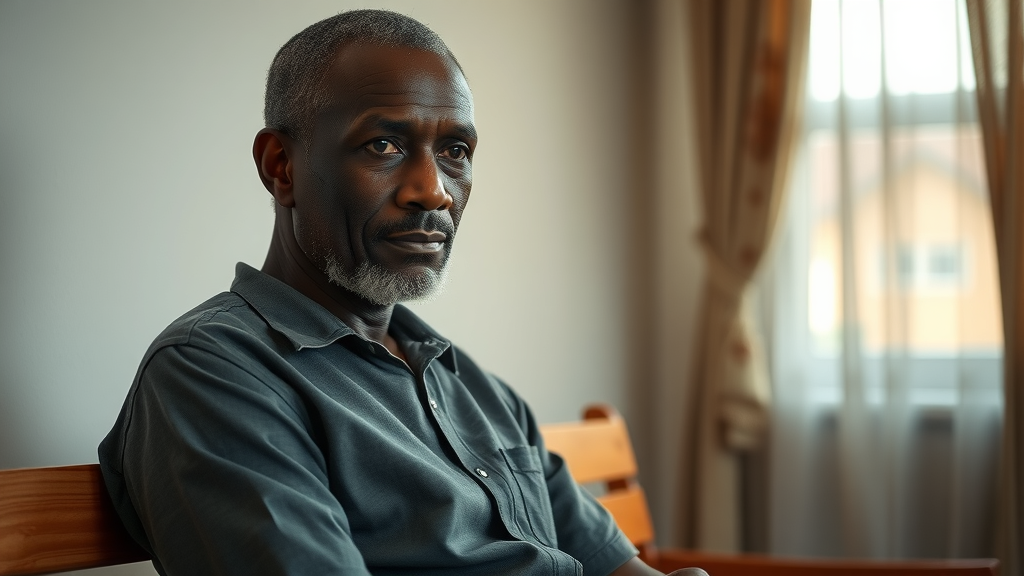
For many Ugandans, seeking help for depression or anxiety can feel like a journey against the current. “When I first began to suffer from persistent sadness and loss of interest in life, my family thought it was a test from the ancestors or perhaps a sign of spiritual imbalance,” recounts a 42-year-old Kampala teacher, whose story reflects that of thousands across the country. Early attempts to talk about his feelings were met with quiet concern but also with the instruction to keep such matters within the family. Such responses are rooted in the belief that mental illness is a private or spiritual crisis, not a health condition worthy of professional intervention. But the turning point came when his symptoms began to affect his job, relationships, and health, making the need for help impossible to ignore. His experience is not unique, studies confirm that stigma and cultural beliefs are among the biggest barriers preventing Ugandans from seeking timely, effective mental health care.
Reluctance and Resilience: Navigating Family, Community, and Seeking Mental Health Care
Navigating personal mental health challenges often exposes the gap between community support and professional care in Uganda. On the one hand, family members and elders offer comfort, prayers, and guidance, powerful assets in a society where collective healing has always been prioritized. On the other, fear of community judgment and misunderstanding can breed resistance to seeking outside help. Despite these challenges, many find strength in both traditions and new approaches, recognizing that opening up to a counselor or mental health worker does not have to undermine family honor. Instead, integrating social support with appropriate mental health Uganda services can equip individuals and families with the tools needed to manage depression, break cycles of silence, and promote lasting wellness.
Mental Health = Total Health: Integrating Physical and Emotional Wellness

In Uganda, health is often viewed in holistic terms—physical, spiritual, and emotional dimensions intertwined. The connection between stress, illness, and overall well-being is clear: ongoing emotional distress can lead to high blood pressure, sleep disturbances, and even chronic physical health problems. Similarly, living with chronic illness increases the risk of developing depression or anxiety, making it vital to treat mental health and physical health as inseparable. According to health workers and public health research, a community’s capacity to support both aspects determines its collective resilience. Initiatives like depression support Case Clinic in Kampala emphasize that family harmony, productivity, and social support networks all rely on balanced mental wellness practices, making mental health a foundation for true public health advancement.
Why Mental Wellness Is Fundamental for Public Health in Uganda
The integration of mental health into the broader health system is not just beneficial, it’s essential for sustainable public health. Data reveals that untreated mental disorders in Uganda contribute to lost work days, family conflict, and a greater burden on the healthcare system. Community initiatives focusing on both depression support and stress management Kampala are proving that when mental wellness is prioritized, physical recovery rates improve, hospital stays decrease, and social cohesion is enhanced. Traditional health resources, such as family support and spiritual counseling, serve as a lifeline for many. However, when paired with modern medical and psychological care, they offer a holistic response to the growing challenges of mental illness and emotional distress in contemporary Ugandan society.
Table: Connections Between Mental and Physical Health — Stress, Illness, and Social Support in Uganda |
||
Mental Health Factor |
Physical Health Impact |
Community/Family Role |
|---|---|---|
Chronic Stress |
High blood pressure, poor immunity, headaches |
Emotional support, sharing burdens in family/clan |
Depression/Anxiety |
Sleep loss, low energy, weakened recovery from illness |
Prayer groups, traditional healers, peer support |
Community Connectedness |
Improved resilience, quicker healing, lower isolation |
Family gatherings, talking circles, church outreach |
Recognizing When to Seek Help: From Sadness and Worry to Depression and Anxiety Disorders

Mental Illness or Everyday Stress? Key Signs Ugandans Should Know
In Ugandan communities, life’s stresses are part of daily survival—from financial pressure and job insecurity to family expectations and community obligations. But how can one tell when ordinary sadness or stress has crossed the line into a mental health issue needing professional intervention? The answer begins with awareness of the key warning signs. If feelings of sadness, hopelessness, or worry persist for weeks and begin to interfere with work, relationships, or daily activities, these may be symptoms of depression or anxiety disorders rather than simple stress. Persistent withdrawal from social support, changes in appetite or sleep, and unexplained physical problems can also signal deeper mental health problems. Recognizing these signs is the first step to accessing effective mental health Uganda resources and preventing severe mental illness.
-
List: Depression and Anxiety Warning Signs — When to Seek Professional Mental Health Care
Loss of interest in daily activities
Persistent sadness or worry
Withdrawing from social support or family
Difficulty working or managing home life
Physical symptoms with no clear cause
Understanding when to seek outside help often means overcoming ingrained stigma and cultural habits that minimize mental illness or equate it solely with spiritual matters. For many, consulting a mental health service still feels shameful or unnecessary, especially when issues are seen as private. However, expert advice demonstrates that early intervention significantly improves outcomes. Seeking counseling or professional depression support at places like Case Clinic is not a sign of weakness, but a proactive step toward full wellbeing—for yourself and your loved ones.
Social Support, Family Harmony, and Community Intervention
Ugandan culture is built on the strong foundation of social support from family, church, and community groups, which often serve as the first line of defense against mental health challenges. These networks offer a sense of belonging and help individuals weather life’s adversities. But as one community leader from the Buganda region explains:
“In our culture, we rely on family support, but some things require skilled mental health care.”
– Community leader, Buganda region
True mental health resilience means knowing when to draw on communal resources and when to involve professional support. By combining community understanding, family dialogue, and skilled counseling, Ugandans can address mental illness without sacrificing tradition or social harmony. This approach helps reduce the impact of stigma and provides hope for a more open, supportive path to healing.
Stress Management For Modern Uganda: Combining Traditional Wisdom and New Tools
Practical Stress Management Techniques for Life in Kampala and Beyond
-
List: Stress Management Tools for Ugandans
Community gatherings and group prayer
Deep breathing and relaxation techniques
Talking to elders and traditional healers
Professional counseling at Case Clinic
Journaling and self-reflection
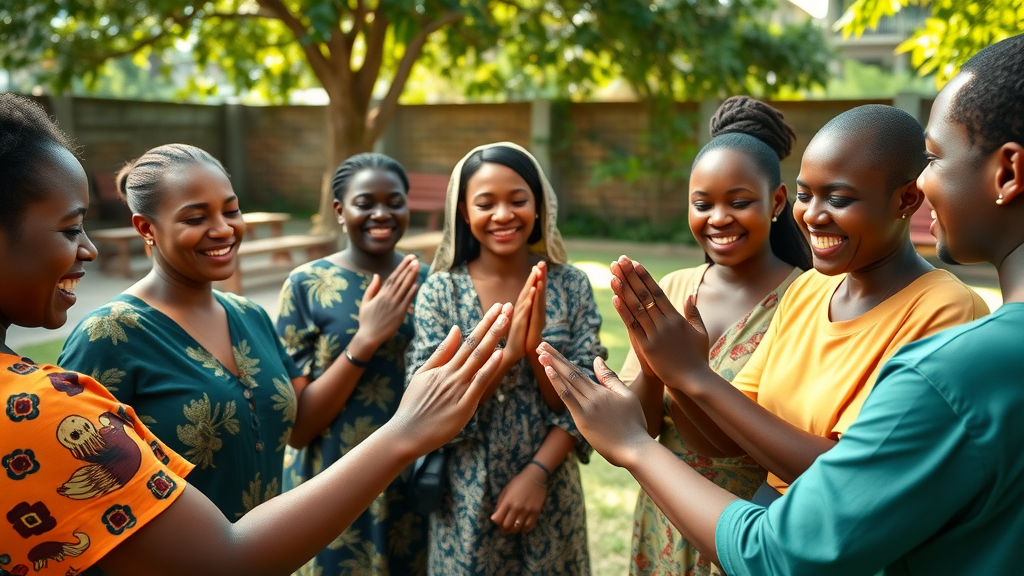
In Kampala’s fast-paced environment and across Uganda’s diverse communities, effective stress management blends the old and the new. Community prayer, storytelling, and conversation with respected elders remain powerful healing tools—providing a sense of continuity, hope, and communal support during times of pressure. Meanwhile, modern strategies like mindfulness, guided relaxation exercises, journaling, and access to professional counseling have become increasingly available, especially at urban centers such as Case Clinic. These resources offer practical ways to navigate daily pressures and build emotional resilience, proving that a combination of tradition and innovation is often the most effective path for stress management Kampala and beyond.
Role of Traditional Healing and Spiritual Support in Mental Health Uganda
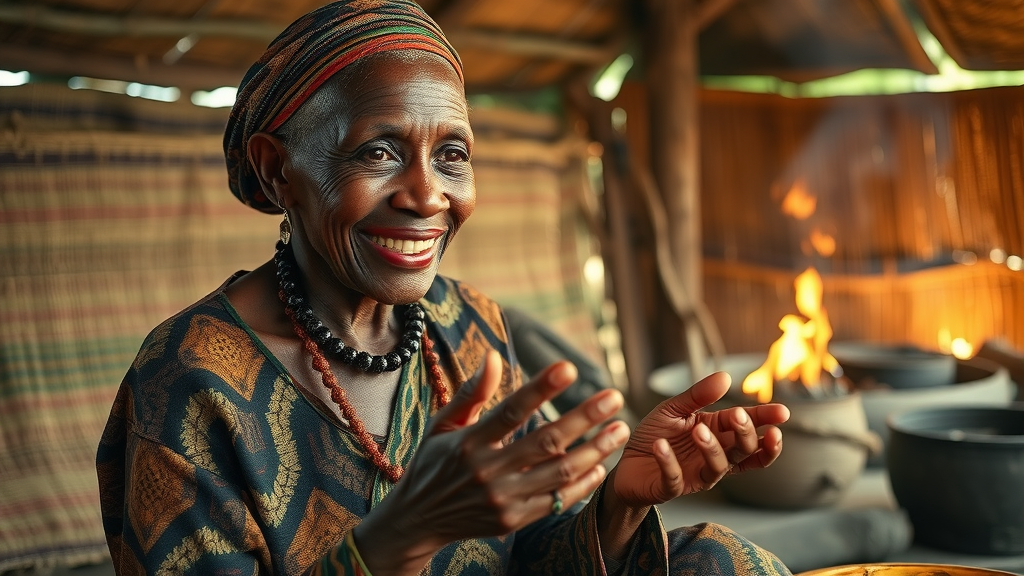
“Spiritual health impacts mental health. We must balance honoring the ancestors with seeking modern depression support.”
– Traditional healer, Central Uganda
Traditional healing is a cornerstone of community health in Uganda. Ceremonies, herbal remedies, ancestral rituals, and consultations with spiritual leaders have long provided comfort and meaning during emotional distress. While these practices are invaluable, modern mental health services also have their place—offering medical and psychological expertise for conditions such as severe depression, anxiety disorders, and trauma. The most successful solutions acknowledge that healing is both spiritual and scientific, respecting intergenerational wisdom and contemporary mental health Uganda approaches alike.
Community and Professional Support: Social Support, Health Care, and When to Integrate Both
Community-Based Social Support Systems vs. Modern Mental Health Care in Uganda
-
List: Navigating Community and Professional Support
When to use family or church support
When to seek counseling or medical help
Integrating both for holistic mental health care
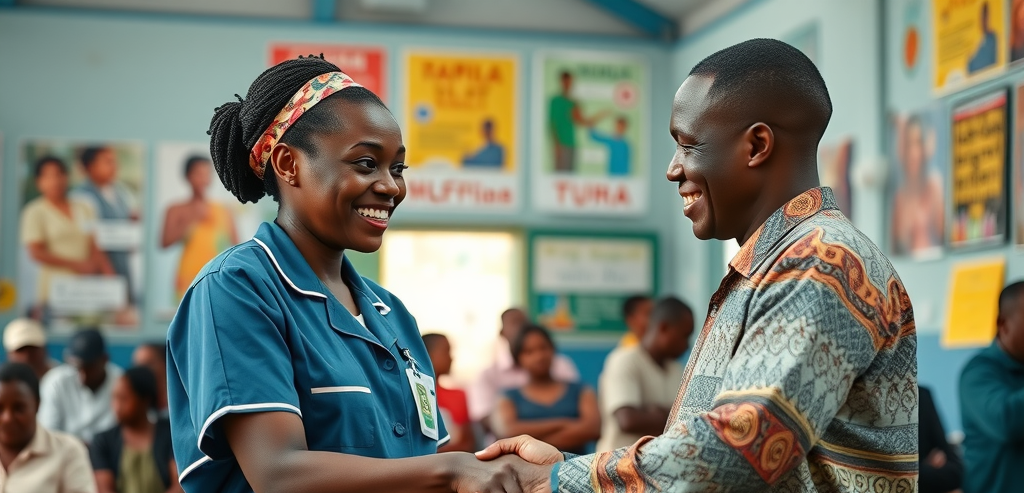
The landscape of mental health care in Uganda is defined by its communal spirit. Family, faith, and peer networks can ease day-to-day worries and provide critical first-line support. But when mental health issues are severe or persistent, professional mental health services, from counseling to medical treatment, offer expertise that complements traditional methods. More clinics, such as Case Clinic, are now working closely with community leaders and spiritual advisors to ensure that individuals can benefit from both approaches. This integrated method honors the value of collective well-being while addressing the ever-growing challenges of stress, depression, and anxiety in a changing society.
Case Clinic's Sensitive Approach: Culturally Aware Depression Support in Kampala
Case Clinic’s Mental Health Services: Merging Tradition and Professionalism
“We respect your customs. Our mental health Uganda programs work hand-in-hand with family and community leaders.”
– Case Clinic mental health professional

What sets Case Clinic apart in Kampala is its commitment to culturally aware care. The clinic’s mental health services are designed to work in harmony with Ugandan values, bridging the gap between professional expertise and deep-rooted traditions. Counselors engage family members, respect spiritual beliefs, and ensure language and therapeutic methods are accessible and community-focused. By collaborating with elders and faith leaders, Case Clinic’s depression support enables more Ugandans to access modern therapies without leaving their heritage behind. This approach sets a new standard for mental health care across Uganda, one that is as compassionate as it is effective.
Key Takeaways: Make Mental Wellness a Priority for You and Your Family in Uganda
-
List: Key Messages
Addressing mental health stigma requires both respect for tradition and openness to new solutions
Stress management in Kampala starts with daily habits
Depression support Case Clinic: resources for Ugandans
Community and professional care both matter

People Also Ask (PAA): Addressing Your Questions On Mental Health Uganda
How would you address mental health-related stigma in your community?
Answer: Encourage open conversations, involve traditional and religious leaders, and highlight the importance of mental health Uganda alongside physical health. Stress community and family support, and share positive stories of those who have sought help.
Short educational video: Ugandan mental health professionals and community leaders discuss stigma, featuring true stories, clinics, prayer gatherings, and the integration of traditional and clinical support. The message: Positive outcomes are possible when community support and modern mental health Uganda programs join forces.
What is a culturally sensitive approach to mental health?
Answer: Culturally sensitive care acknowledges local beliefs, values traditional healing, and works with families and community structures. Depression support Case Clinic uses language and practices that respect Ugandan traditions while providing modern therapies.
How do cultural views and stigma about mental health affect individuals seeking help and support?
Answer: Stigma discourages openness, prevents individuals from seeking mental health care, and can lead to isolation or unaddressed suffering. Integrating social support and modern mental health Uganda services helps overcome these barriers.
How does stigma prevent people from seeking help for mental health issues?
Answer: Fear of judgment, gossip, and cultural misunderstanding often stops Ugandans from seeking depression support or stress management help, even when effective health care options are available in Kampala and other cities.
FAQs: Mental Health Uganda, Stress Management Kampala, Depression Support Case Clinic
-
List: Frequently Asked Questions
What are the first steps if I think a loved one has a mental illness?
Is it possible to combine traditional and modern mental health care in Uganda?
Where can I find affordable mental health care in Kampala?
How can families support members with depression?
Are there community education programs on stress management Kampala?
Conclusion: Embracing Mental Wellness as Essential for Health and Harmony in Uganda
Prioritizing mental wellness, integrating both community traditions and modern care, will pave the way for healthier, stronger Ugandan families.
Take the Next Step: Discover Case Medcare Services Uganda — Your Path to Integrated Mental Health Care
Sources
UNICEF Uganda – https://www.unicef.org/uganda/reports/mental-health-context-uganda
National Institutes of Health – https://www.ncbi.nlm.nih.gov/pmc/articles/PMC6518666/
World Health Organization – https://www.who.int/publications/i/item/9789240036703
In Uganda, addressing mental health stigma while respecting traditional community support systems is crucial. The article “Sociocultural considerations of mental health care and help-seeking in Uganda” provides valuable insights into how cultural beliefs and social norms influence the understanding, treatment, and stigma associated with mental health in Ugandan society. (sciencedirect.com) Additionally, the study “We are like co-wives”: Traditional healers’ views on collaborating with the formal Child and Adolescent Mental Health System in Uganda” explores the perspectives of traditional healers on collaborating with formal mental health services, highlighting the potential for integrated care approaches. (bmchealthservres.biomedcentral.com) If you’re serious about understanding and addressing mental health stigma in Uganda, these resources will provide you with comprehensive and culturally sensitive perspectives.


Write A Comment