• Case Clinic
    • #We Are Case Clinic
    • #Case Clinic Doctor Spotlights
    • #Case Clinic Stars - Heroes In Scrubs profile
    • #Case Clinic Nurses - Spotlight
    • *CASE CLINIC NEWS CHRONICLE
    • Ask Case Clinic - Health Hub Inquiries
    • #CASE STILLNES OF LIFE'S SOUL
    • *#@ SELFCARE SUPERPOWER
    • Nurse Nightingale's Nuggets
    • #Nurse Nightingale Nuggets
    • @CASE CLINIC SOCIAL SPACES
    • *#@Case Clinic Satellite News Updates
    • *#@Case Clinic Satellite News Updates
  • Case Medcare
    • Case Clinic Health Desk -Daily Health Tips
    • Case Medcare Insurance- Medical Coverage
    • Case Clinic Surgeons -Surgery practitioners
    • Case Clinic Tropical Dx- Infectious Disease
    • Case Clinic Perinatal - Mum-To-Be Wellness
    • Case Clinic Kids- Paediatrics & Parenting
    • Case Clinic Nutritionist - Dietician
    • Case Rehab Fit & Focused
    • Case Clinics CEO Corner
  • Case Hospitals
    • Case Clinic Men's WellCare
    • Case Clinic voices - Community stories
    • Case Beacons- Boardroom to Bedside
    • Case Clinic Outreach - Health drives
    • Case Clinic Nurses - Bedside Care Givers
  • Case Chronicles
    • Case Clinic - Chronic disease care
    • Case Clinic Chronicles
  • Case Insider
    • digital health innovation
    • Case Clinic Digest - Case care Updates
    • Global Health News - Daily health news
  • Case Care
    • Case Travel Tourism- Vaccinations
    • Case Mental Wellness Care
    • Case Care - Women + Teen Girls
    • Case Clinic Services - hospital departments
    • #Holistic Naturopathic Medicine
    • #Case Go Green -Tropical Ecosphere
    • Regional Health Facilities
    • Medical Policy Governance
    • #Case Serenity Melodies For The Mood
    • International Nurse Networks
  • #WE ARE CASE HOSPITAL
    • #@CASE CARDILOGY CATHLAB
    • #@CASE HOSPITAL JINJA
    • #@CASE HOSPITAL ENTEBBE
    • #@CASE HOSPITAL NAALYA
  • # WELCOME TO CASE MED SERVICES
    • #@CASE SELFCARE SANCTUARY
    • #@CASE CLINIC FOUNDER'S FORUM
    • #@CASE SATELLITE HOSPITALS
    • #@CASE CLINIC CRESTED CRANES
    • *@ADVERT$ BILLBOARD
    • #@CASE CLINIC BILLBOARD
    • *@CASE COMMUNITY BILLBOARD
  • *#CASE CLINIC LEGACY
    • *#CASE CLINIC IMPACT
    • *#CASE HOSPITAL LEGACY
September 13.2026
2 Minutes Read

Unlocking the Importance of Hospital Emergency Color Codes for Nurses

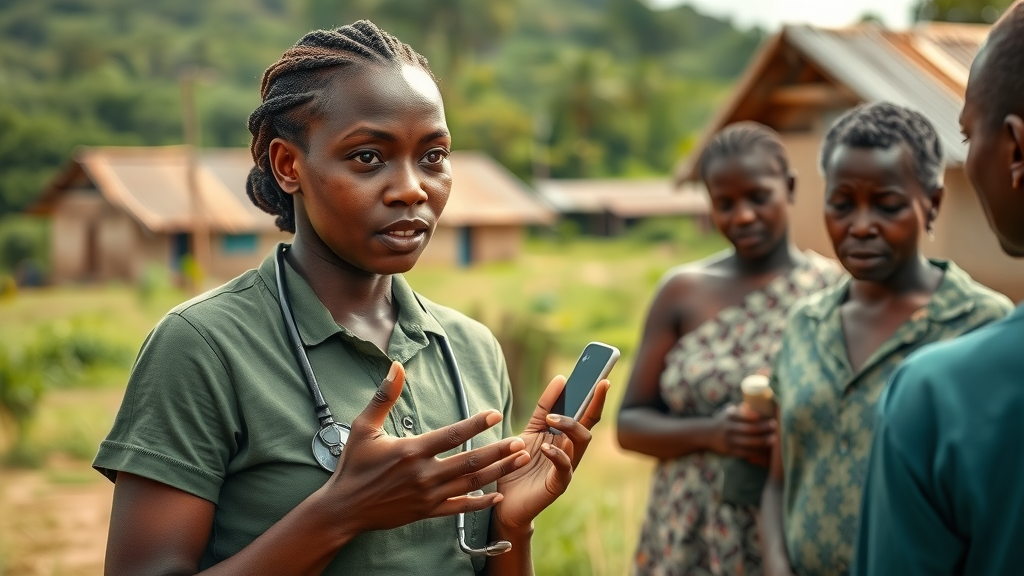
Color code chart for healthcare emergency response, promoting patient safety awareness.

Understanding Emergency Color Codes in Healthcare

In healthcare settings, especially within hospitals, quick communication can mean the difference between life and death. This is where emergency color codes come into play. These codes provide an essential way for healthcare professionals to efficiently respond to emergencies. Understanding these color codes is not just beneficial for nurses; it’s crucial for everyone involved in patient care.

In 'Hospital Emergency Color Code Meanings Explained #shorts', the discussion dives into the critical significance of hospital emergency color codes, exploring key insights that sparked deeper analysis on our end.

The Significance of Color Codes

Each color represents a different type of emergency or situation that may arise within a hospital. For example, a Code Blue typically indicates a medical emergency involving a patient in cardiac arrest, while a Code Red warns of a fire. These standardized codes serve to ensure rapid and organized responses, reducing chaos during critical moments.

Why Knowledge is Vital for Nurses and Students

For nursing students and practicing nurses in Uganda and East Africa, familiarizing yourself with these codes is vital. Not only does it enhance your ability to respond promptly in emergencies, but it also inspires confidence in patient care. Knowing emergency protocols can greatly improve patient outcomes and contribute to the overall effectiveness of the healthcare team.

Preparation and Awareness: The Key to Patient Safety

Hospitals often conduct drills to practice these emergency responses, allowing healthcare staff to become familiar with the procedures linked to each color code. For nurses and students, actively participating in such drills helps solidify this knowledge and prepares you for real-world scenarios. Ultimately, preparedness leads to confidence, ensuring that everyone knows their role when emergencies strike.

Conclusion: Embrace Lifesaving Knowledge

By understanding and memorizing the meanings behind hospital emergency color codes, nurses and nursing students can significantly elevate the quality of care provided to patients. Engaging in lifelong learning within this field will not only enhance your skills but also ensure that you are ready to respond effectively in times of crisis. Embrace this knowledge and equip yourself to be a lifesaver in the hospital setting.

Policy & Practice - Africa Health Governance

0 Views

0 Comments

Write A Comment

*
*
Please complete the captcha to submit your comment.
Related Posts All Posts
06.26.2025

Africa Pioneers Championing Strategies to Transform Community Health Success And Care Workers Professional Potential

Did you know? Less than 50% of Africans are reached by formal healthcare systems, yet community health workers are delivering lifesaving services to millions who would otherwise go without care. Africa pioneers championing strategies to promote first point care and professionalize community health initiatives are not just filling gaps—they're rewriting the blueprint for global health system resilience. In an era when sustainable, impactful solutions are more vital than ever, Africa’s approach is setting new standards that the world must not ignore. Why Africa’s Pioneers Are Redefining First Point Care and Community Health Success The concept of first point care —where community members access essential patient care close to home—has been revolutionized by Africa's innovative health worker programs. Rather than waiting for patients to travel long distances to hospitals or clinics, these pioneers ensure that community health workers are trained and empowered to deliver both preventative and primary health services right in their neighborhoods. The result? Improved access to health services, stronger health systems, and genuine community trust. In nations like South Africa and Uganda, community health programs connect vulnerable populations to vital health care, bridging the gap between rural realities and national health objectives. Compared to some established systems in the United States, African countries are proving that decentralized, community-driven care can deliver quality health outcomes—even in resource-constrained environments. This radical shift from top-down, urban-centric health care system models demonstrates that africa pioneers championing strategies to promote first point care and profesionalize community health initiatives are essential for future-fit, people-centered health system reform. The push to professionalize community health workers goes beyond expanding coverage; it is about creating a sustainable, respected workforce that forms the beating heart of every national community health system. These experienced professionals do not merely provide child health interventions or disease screenings—they serve as connectors, advocates, and leaders, transforming the fabric of care at every level. A Statistical Wake-Up Call: Unveiling Gaps in Community Health and the Power of Targeted Initiatives Despite global fund investments and impressive progress, large swathes of African populations still lack reliable access to health services. Recent statistics uncover urgent gaps: approximately 30% of rural Africans live out of reach of formal primary health care, compared to less than 5% in the United States. Yet, where targeted community health initiatives are in place, countries report dramatic reductions in maternal and child mortality rates—sometimes slashing deaths by over 40% in just a few years. A major driver behind these improvements is the deployment of professional community health workers , who deliver door-to-door patient care, perform community outreach, and coordinate vital public health campaigns. These targeted initiatives also address cross-cutting issues such as mental health, vaccination uptake, and emerging infectious diseases, directly supporting health system objectives and ensuring no community is left behind. This statistical wake-up call highlights the transformative potential of localized, properly funded health programs. By learning from Africa pioneers championing strategies to promote first point care and profesionalize community health initiatives, other nations can adapt their health systems to be more inclusive and results-driven, thereby closing gaps that have persisted for generations. The Rationale for Professionalizing Community Health Workers The journey toward professionalizing community health workers is much more than a policy decision—it’s a strategic imperative. When community health workers receive standardized training, ongoing education, and professional recognition, they gain the tools needed to deliver high-quality health services, as trusted members of the care system. Professionalization means these frontline healthcare providers are no longer seen as informal volunteers. They become skilled, accredited professionals whose work is integrated into the formal health system. This not only boosts morale and job satisfaction but also helps communities take more ownership of their health outcomes, increasing demand for better quality and culturally relevant patient care. Countries leading the way in this movement, such as Rwanda and Uganda, demonstrate how a strong, professional community health workforce can strengthen national health infrastructure, respond swiftly to crises, and ensure the delivery of services reaches the hardest-to-reach populations—even in the face of emergencies like pandemics or natural disasters. Key Strategies Africa Pioneers Use to Advance Community Health and Support Health Workers Decentralizing Health Systems: The Role of Community Health in Rural and Semi-Urban Africa Decentralization of healthcare system design has empowered communities in Africa to take a leading role in health service delivery. By reducing the distances that patients need to travel and allowing for local input and accountability, community health programs have effectively bridged the divide between rural populations and urban health centers. Community-led care is particularly transformative in semi-urban and rural regions, where health system resources are typically stretched thin. Here, community health workers are trained to provide essential services—from treating common illnesses and offering maternal health advice, to screening for chronic diseases and coordinating referrals to higher-level care. What sets these decentralized models apart is their focus on localized solutions. Through strong partnerships among local leaders, national ministries, and international health service partners, these programs ensure that community health system implementation remains relevant, sustainable, and truly responsive to local needs. Innovations in Mental Health: Integrating Support into First Point Community Health Initiatives Historically, mental health has been marginalized in African public health strategies, often due to persistent stigma and a shortage of trained professionals. Today, that is rapidly changing as africa pioneers championing strategies to promote first point care and profesionalize community health initiatives are breaking ground by weaving mental health support into the very fabric of community health programs. By training community health workers to recognize, respond to, and help manage mental health conditions, countries like Kenya and Ghana are closing the treatment gap for depression, anxiety, and trauma. Local clinics now offer counseling, education, and direct referrals, ensuring mental wellness is treated with the same urgency and care as physical illnesses. This pragmatic integration not only improves health outcomes but also reduces overall health system costs and builds community resilience. The emerging evidence from these efforts demonstrates that a focus on mental health at the community level significantly improves both patient recovery rates and local attitudes toward psychological well-being—proving that no community health worker strategy can afford to ignore this vital component. Case Study Table: Comparing Community Health Programs - Africa vs. United States Feature Africa United States Health System Structure Decentralized, community-led, reliant on trained workers in rural and peri-urban areas More centralized, facility-based, less integration with community health workers Professional Community Health Workers Extensive use, ongoing training, integrated into formal systems Limited use, often seen as volunteers; some states piloting integration of workers First Point Care Emphasis on primary care close to home, especially in underserved areas Highly varied; ER and urgent care often act as default entry points Mental Health Integration Rising priority, community-level interventions and education Separate systems; community health rarely addresses mental well-being Key Challenges Funding stability, rural access, workforce retention Cost, inconsistent access, limited rural outreach Measured Outcomes Improved access, reduced mortality, stronger national community health Mixed results; urban areas well-served, rural communities face gaps This comparison underscores the unique value of Africa’s approach, showing how africa pioneers championing strategies to promote first point care and profesionalize community health initiatives are driving profound change and offering transferable lessons worldwide. Professionalizing Community Health Workers: Training, Accreditation, and Long-Term Impact Best Practices for Building Skilled and Respected Health Workers Africa’s success in transforming health services can be directly attributed to its commitment to professional community health worker programs. Best practices include rigorous pre-service and in-service training, competency assessments, supportive supervision, and formal certification by national or regional health agencies. Continued learning plays a central role in sustaining high-quality health services. Programs are designed so that health workers regularly update their clinical skills, learn about new public health priorities such as mental health support, and receive hands-on mentorship from experienced professionals. This investment in professional development ensures that every community health worker can confidently address the evolving needs of their communities. By mandating accountability and providing respected career pathways, African countries foster a culture where community health workers are valued, empowered, and motivated to remain in their roles—ultimately resulting in a more resilient and responsive care system for everyone involved. Sustaining Motivation: Recognizing and Rewarding Community Health Efforts Sustaining community health progress requires more than technical training; it calls for social and emotional support and public acknowledgment. Africa pioneers championing strategies to promote first point care and profesionalize community health initiatives motivate their workforce with competitive remuneration, career advancement opportunities, and frequent public celebrations of achievements. Community-led award ceremonies, storytelling events, and small grants for entrepreneurial projects give health workers a sense of pride and belonging. These practices are as important for mental health and retention as they are for performance, cultivating a generation of workers who feel respected, seen, and energized to keep pushing for better health system outcomes. Such approaches are not merely symbolic. Studies consistently show that recognizing and rewarding frontline health workers is linked to higher job satisfaction, lower attrition rates, and improved patient care delivery rates—contributing to the overall sustainability of national community health programs. Mental Health and Well-being Among Community Health Workers Professionalizing community health workers must include prioritizing their mental health. As frontline responders, these health workers face unique stressors: long hours, emotionally taxing patient care, and the heartache of community crises. Leading African community health programs now embed counseling resources, peer support groups, and wellness training as core components of worker programs. Regular rest periods, accessible wellness facilities, and open dialogue about mental health challenges not only support individuals, but also strengthen overall health system resilience. Initiatives pioneered across African countries prove that a professional community health worker program cannot succeed without addressing mental health and well-being as fundamental pillars—transforming not only the lives of workers, but the long-term outcomes for entire populations. "Professionalizing community health workers does not merely strengthen health systems—it transforms the fabric of care at every level." — African Public Health Leader The Economic and Social Impact of Africa Pioneers Championing Strategies to Promote First Point Care Initiatives How Community Health Investments Drive National Health and Economic Development Investing in community health isn’t just a moral duty—it’s a smart economic policy. The World Health Organization estimates that every dollar invested in primary health care in Africa yields multiples in social and economic returns by reducing preventable illness, increasing productivity, and lowering overall health care costs. National health outcomes improve as professional community health workers are deployed to undertake vaccination campaigns, maternal and child health interventions, and the management of chronic diseases. This, in turn, enhances the capacity of the workforce, reduces absenteeism, and drives sustainable economic growth at both local and national levels. Africa pioneers championing strategies to promote first point care and profesionalize community health initiatives repeatedly demonstrate that robust community health investments are directly correlated with measurable improvements in GDP, educational attainment, and public health indicators, setting a precedent for others to follow. Evidence From Community Health Programs: Real-World Outcomes and Success Stories Across the continent, real-world outcomes reveal the effectiveness and scalability of professionally-trained community health workers. In Ethiopia, government-backed national community health worker programs have halved under-five mortality rates since their launch. In Nigeria, targeted efforts in rural regions have reduced maternal deaths and increased vaccination rates to over 90% in some communities. These successes are not limited to statistics—they are lived experiences echoed in stories of health workers saving newborns, supporting grieving families, and restoring trust in the health system. Such evidence proves that professional community health is not a theoretical ideal, but a practical, life-changing reality in African healthcare system transformations. By prioritizing quality health delivery and public recognition, these pioneers are creating a model of care that is inclusive, responsive, and sustainable—serving as a beacon for both national health service leaders and the global fund community. Opinion: Why the World Should Learn from Africa’s Approach to Championing Community Health Adapting Africa’s Strategies for National Health and Global Health Programs Africa’s unmatched experience in decentralizing healthcare system design, integrating first point care, and professionalizing community health workers offers crucial insights for countries everywhere—including the United States. By adapting these strategies, nations can strengthen national community health, close persistent gaps in child health, and improve outcomes for marginalized populations. Global health programs seeking cost-effective and scalable solutions to workforce shortages, community outreach, and cultural adaptation would benefit from tailoring the best practices forged by Africa pioneers championing strategies to promote first point care and profesionalize community health initiatives to their local contexts. The result? More resilient, equitable, and responsive health systems worldwide. International agencies, from the World Bank to the Global Fund, increasingly recognize Africa’s leadership in designing and implementing successful worker programs. Now is the time for the world to move beyond pilot projects and place community health—with proper training, recognition, and support—at the center of every country’s health future. Re-imagining Health Systems: Transferable Lessons for the International Community What makes Africa’s experience particularly relevant is the adaptability of its strategies across diverse care system settings. Innovations in community health programs, such as peer-driven training, mental health integration, and performance-based rewards, are not unique to specific diseases or countries—they can be applied anywhere there is a need for scalable, cost-effective health solutions. By reimagining health systems in this way, global health leaders can foster inclusive and sustainable change. Africa’s path shows that, with the political will and investment in people, even the most robust health systems can become more responsive to their communities’ real needs. The challenge facing the international community isn’t whether Africa’s approaches can work elsewhere—it’s whether others are willing to embrace these lessons and unlock their full potential for a healthier, more equitable world. Video: How One African Pioneer Transforms Community Health Workers’ Professional Potential Video: Deep Dive—Mental Health Integration in Africa’s Community Health Initiatives Decentralized, community-led health delivery Investing in mental health as part of community health Formalizing community health worker training and accreditation Measuring and rewarding impact to sustain motivation Forging partnerships for stronger health programs Frequently Asked Questions About Africa Pioneers Championing Strategies to Promote First Point Care and Professionalize Community Health Initiatives What are some examples of Africa pioneers who have transformed community health? Leading examples include Rwanda’s nationwide community health worker system, which drastically improved maternal and child survival rates, and Uganda’s Village Health Teams, renowned for integrating mental health and chronic disease management. These models show what’s possible when local visionaries drive ambitious health system changes at scale. How do community health workers affect local health outcomes? Community health workers improve local health by providing accessible, culturally relevant services—from nutrition advice to disease screening. Their presence raises health awareness, promotes timely care-seeking, and boosts coverage for essential interventions, lowering mortality and enhancing quality health for everyone in the area. In what ways are mental health and community health workers connected? Modern community health worker programs in Africa train frontline staff to recognize and manage mental health issues as part of their everyday work. This integration bridges a historic care gap, making mental health care accessible, reducing stigma, and improving overall community well-being alongside physical health services. How can other countries learn from Africa’s strategies for community health? By analyzing Africa’s successes—such as decentralized service delivery, formalized training pathways, and integrated support for medical and mental health—other nations can redesign their healthcare systems for resilience, efficiency, and equity. The lesson is clear: scalable, people-centered solutions can deliver huge impacts anywhere with proper investment and leadership. Key Takeaways: Lessons from Africa Pioneers Championing Community Health Worker Strategies Africa pioneers play a critical role in elevating first point care Professionalizing health workers enhances health system resilience Integrating mental health is essential for holistic community care Global health actors should consider Africa’s successes in shaping future health systems Discover More: Explore Case Clinic Medcare Services for Transformative Community Health Experiences in Uganda "Africa’s innovative approach to community health not only bridges gaps but sets a global standard for sustainable health systems." Take your understanding further—Discover Case Clinic Medcare Services when traveling to Uganda at https://casemedservices.org Africa’s innovative approaches to community health are exemplified by organizations like Africa AHEAD, which has established over 3,000 Community Health Clubs, directly benefiting more than 2 million people in Zimbabwe alone. These clubs focus on participatory health education to prevent diseases such as diarrhea, cholera, and malaria. ( en.wikipedia.org ) Additionally, the Community Health Impact Coalition works to professionalize community health workers globally, emphasizing their critical role in primary health care and universal health coverage. ( improvingphc.org ) By exploring these resources, readers can gain deeper insights into the strategies that are transforming community health across Africa.

06.25.2025

Navigating Healthcare Crises: Lessons from Uganda’s Frontlines with Dr. A.K. Sebbaale

Navigating Healthcare Crises: Lessons from Uganda’s Frontlines with Dr. A.K. SebbaaleDid you know: Uganda faces a healthcare worker shortage of over 70%, significantly impacting its response to crises like HIV/AIDS and COVID-19. This urgent need underscores the critical role of healthcare crisis management Uganda strategies, as exemplified by the pioneering efforts of Dr. A.K. Sebbaale and Case Medical Centre. This article dives into the lessons from Uganda’s frontlines, revealing how innovative leadership, community engagement, and technology creates resilient health systems capable of weathering severe health emergencies.Opening with a Startling Statistic: The Urgent Need for Healthcare Crisis Management in Uganda Uganda’s struggle with healthcare emergencies is striking. According to WHO estimates, Uganda’s doctor-to-patient ratio remains below 1:25,000, demonstrating the stark gap in accessible care during critical health crises. This shortage, combined with recurrent outbreaks such as HIV/AIDS and the COVID-19 pandemic, highlights an ongoing crisis necessitating robust healthcare crisis management Uganda frameworks. The gravity of the situation is evident not only in statistics but in daily lived experiences — from overwhelmed hospitals to overworked care workers striving tirelessly to maintain essential services.This backdrop sets the stage for exceptional models of resilience like Case Medical Centre, where visionary leadership transforms challenges into opportunities for sustainable health care delivery.Overview of Healthcare Crisis Management Uganda: Historical and Current ChallengesThe Impact of HIV/AIDS and COVID-19 on Uganda’s Health ServiceThe history of Uganda’s healthcare system is deeply affected by prolonged crises, most notably HIV/AIDS, which devastated millions and strained health infrastructure through the 1980s and 1990s. This epidemic exposed critical vulnerabilities: insufficient specialized care, poor resource allocation, and lack of affordable treatment. More recently, the COVID-19 pandemic imposed new layers of complexity, forcing health systems to quickly adapt to unprecedented demand and constrained resources.In this evolving health landscape, healthcare crisis management Uganda became a defining focus, emphasizing flexible emergency preparedness, infection control measures, and community-based interventions. Dr. A.K. Sebbaale recalls, “We didn’t close our doors during COVID. We opened more. We understood this wasn’t just a virus, it was a call to rethink how we reach people.” This statement underscores the persistent challenge and innovative spirit fueling Uganda’s adaptive health responses.Role of Care Workers and Healthcare Workers in Managing CrisesHealthcare workers stand as Uganda’s frontline defenders in the battle against health crises. Nurses, doctors, paramedics, and community health workers tirelessly provide essential care amid overwhelming patient loads and resource shortages. Their role transcends clinical duties; they are educators, advocates, and pillars of community trust.Effective healthcare crisis management Uganda hinges on empowering these professionals through continuous training, adequate remuneration, and mental health support. Their dedication ensures not just the treatment of illnesses but the preservation of human dignity amid adversity. This human capital remains fundamental to Uganda’s capacity to navigate and mitigate health emergencies.Case Medical Centre: A Model of Resilient Emergency Care and Health ServicesFrom a Small Clinic to a Leading Health Care InstitutionEmerging from humble beginnings in 1995, Case Medical Centre symbolizes the transformative power of vision combined with persistence. Starting as a modest outpatient clinic on Kampala’s Bombo Road, it has evolved into a premier eight-story tertiary hospital located on Nakasero Hill. The institution now offers state-of-the-art emergency care and specialized services, reflecting an unwavering commitment to quality and accessibility.Dr. A.K. Sebbaale’s journey embodies how determined leadership can build resilience in the face of systemic healthcare challenges. The growth of Case Medical Centre highlights a replicable path for scalable, sustainable health institutions playing crucial roles in healthcare crisis management Uganda . Innovations in Emergency Medical and Care Services at Case Medical CentreWhat distinguishes Case Medical Centre is its innovative emergency medical approaches. Rapid response mechanisms, including bicycle ambulances facilitating urgent transport in traffic-congested urban areas, improve survival rates dramatically. These adaptable, low-cost solutions align perfectly with Uganda’s unique infrastructural context.The integration of emergency care with a comprehensive hospital service network enables Case Medical Centre to deliver timely and effective interventions, reducing patient mortality during crises. This model represents a beacon for healthcare crisis management Uganda , demonstrating scalable innovations tailored for resource-limited settings.Expert Insights: Dr. A.K. Sebbaale on Healthcare Crisis Management UgandaThe Importance of Insurance and Financial Inclusion in Health CareFinancial barriers often prevent Ugandans from accessing needed healthcare. Dr. A.K. Sebbaale of Case Med Services Uganda emphasizes that “ the best medical care is useless if people can’t afford it. Insurance is not just about protection—it’s about inclusion.” This powerful insight drives the creation of Case MedCare Insurance, Uganda’s pioneering Health Maintenance Organization (HMO) that offers affordable, comprehensive health coverage.By reducing out-of-pocket expenses, health insurance schemes foster equitable healthcare access and provide a safety net during emergencies. This financial inclusion is a cornerstone in strengthening Uganda’s healthcare crisis management capacity, empowering patients to seek timely care without fear of catastrophic spending.“The best medical care is useless if people can’t afford it. Insurance is not just about protection, it’s about inclusion.” - Dr. A.K. Sebbaale, Founder and CEO of Case Medical Centre & Case MedCare InsuranceDecentralizing Health Services: Satellite Clinics and Community Care Work Centralized hospitals can become chokepoints during public health emergencies. Recognizing this, Case Medical Centre has expanded health access via satellite clinics located in peri-urban and rural areas. These centers bring primary care, maternal health, and chronic disease management closer to underserved populations.Decentralization reduces patient loads on central facilities and improves community trust. Local healthcare workers in these clinics become essential liaisons, fostering prevention and early intervention. This approach aligns with best practices in healthcare crisis management Uganda by enhancing accessibility and resilience at the grassroots level.Technology as the Next Scalpel: Digital Innovations in Uganda’s Healthcare SystemTelemedicine, AI Diagnostics, and Mobile Health Platforms Emerging digital technologies are revolutionizing Uganda’s health sector. Telemedicine platforms provide remote consultations, breaking geographical barriers and supporting disease surveillance. AI diagnostics enhance accuracy and speed in identifying health conditions, while mobile health applications increase patient engagement and health literacy.Such innovations not only improve care quality but also optimize limited resources—a critical factor in strengthening healthcare crisis management Uganda . Dr. Sebbaale envisions a future where “technology will help us reach that last mile, reduce human error, and train faster.”Integrating Digital Systems for Health Service Efficiency and Emergency MedicineCase Medical Centre leads efforts to digitize patient records, streamline insurance claims, and coordinate emergency responses using interconnected platforms. This integration reduces redundancy, improves monitoring, and supports data-driven decision-making during crises.Building interoperable digital health infrastructure is essential to elevate Uganda’s emergency medicine capabilities and foster a cohesive healthcare ecosystem able to rapidly respond to future outbreaks or disasters.Common Misconceptions and Challenges in Healthcare Crisis Management UgandaAddressing Myths About Health Care Accessibility and Quality There is a pervasive misconception that quality healthcare is unattainable for the majority of Ugandans or that rural populations do not deserve modern services. These myths undermine efforts to equitize health outreach and limit support for innovative programs.Through community engagement and transparent communication, health leaders counter these falsehoods, emphasizing that high-quality care is both possible and necessary everywhere. Dispelling such myths is critical for effective healthcare crisis management Uganda .Overcoming Resource Limitations and Workforce ChallengesResource scarcity and workforce shortages remain pressing challenges. Sustainable solutions include training programs aimed at retaining skilled professionals, implementing task-shifting to optimize human resources, and fostering collaborations between public and private sectors to maximize impact.Despite obstacles, Uganda’s health system continues to adapt, with leaders like Dr. Sebbaale championing innovations that address these constraints head-on and elevate crisis response capacity.Actionable Tips for Strengthening Healthcare Crisis Management UgandaInvest in scalable health insurance models to reduce financial barriersExpand community-based care work and satellite clinicsLeverage technology to improve emergency medical response and health service deliverySupport continuous training and retention of healthcare workersFoster public-private partnerships to enhance ministry of health initiativesPeople Also Ask: Key Questions on Healthcare Crisis Management UgandaWhat is the healthcare problem in Uganda?Uganda faces limited healthcare resources, a high disease burden, and significant accessibility issues, which challenge the delivery of effective medical services.What should be done to increase health care services in Uganda?Enhancing healthcare infrastructure, investing in workforce development, and improving financing mechanisms are critical steps to expand health services.What is a health crisis management?Health crisis management refers to the coordinated response and strategic interventions used to minimize the impact of health emergencies on populations.What is the status of the health care system in Uganda?Uganda’s healthcare system shows improving trends but continues to face challenges related to coverage, quality, and resource availability.QuestionBrief AnswerWhat is the healthcare problem in Uganda?Limited resources, high disease burden, and accessibility challenges.What should be done to increase health care services in Uganda?Expand infrastructure, invest in workforce, and improve financing.What is a health crisis management?Coordinated response to health emergencies to minimize impact.What is the status of the health care system in Uganda?Improving but still facing challenges in coverage and quality. Key Takeaways from Dr. A.K. Sebbaale’s Vision for Uganda’s Healthcare Future“Hope. Every patient that walks out of Case feeling better than they came in, that’s my reward. And I know we can do even more.” - Dr. A.K. SebbaaleDr. Sebbaale’s vision stresses the transformative power of hope, innovation, and inclusion. Under his stewardship, healthcare becomes more accessible, affordable, and resilient. His path offers a blueprint for the future of healthcare crisis management Uganda , underscoring the power of leadership grounded in empathy, innovation, and community partnership.Conclusion: Building a Sustainable and Inclusive Healthcare System in UgandaThe Role of Leadership, Innovation, and Community EngagementStrong leadership like Dr. Sebbaale’s, combined with scalable innovations and active community participation, forms the backbone of an effective healthcare system capable of managing crises. Prioritizing financial inclusion, digital transformation, and decentralization will ensure Uganda’s health services remain robust against future shocks.A Call to Action for Stakeholders in Healthcare Crisis Management UgandaAll stakeholders—government entities, private sector actors, healthcare workers, and communities—must collaborate to reinforce Uganda’s healthcare infrastructure. Strategic investments, policy reforms, and inclusive approaches are vital to cement progress and safeguard public health.Discover More About Africa’s Healthcare InnovatorsExplore stories of transformative leaders like Dr. A.K. SebbaaleLearn about innovative health care models across the continentStay informed on emerging technologies shaping health servicesVisit https://east.africafrontlinenexus.news to discover Africa's great innovative minds transforming business and lifestyles.

06.25.2025

Exploring the Role of Clinical Laboratories in Emergency Response: Insights from the LRN Webinar

Understanding the Urgent Need for Clinical Laboratory PreparednessThe recent webinar titled Something Is Strange - Let's Notify the LRN! organized by the CDC's OneLab Initiative shed light on the critical role of clinical laboratories during public health emergencies, especially concerning bioterrorism and emerging infectious diseases. Clinical laboratories serve as the frontline defense, capable of detecting unusual surges in disease symptoms or rare pathogens. As healthcare professionals, it’s imperative to recognize the telltale signs that might indicate a potential biothreat and how to communicate effectively within the Laboratory Response Network (LRN).In Something Is Strange - Let's Notify the LRN!, the discussion dives into the critical nature of clinical laboratory preparedness in emergency situations, exploring key insights that sparked deeper analysis on our end. Why Vigilance Is Essential: Detecting Unusual PatternsEvery healthcare professional's intuition is valuable, particularly in scenarios where multiple patients present similar unexplained symptoms. If a sudden influx of patients exhibits similar respiratory or gastrointestinal issues, clinicians should promptly engage with LRN reference laboratories. Vigilance can be crucial in pinpointing outbreaks, and early notifications can enable swift public health interventions.The Importance of Training in Identifying Biothreat AgentsThe webinar emphasized the need for ongoing training to equip laboratory staff with the skills to detect bioterrorism agents effectively. Considering the range of pathogens that can appear in clinical samples, awareness of their characteristics is critical. Training programs should stress the relevance of recognizing which specimen types are associated with potential biothreat agents, such as blood cultures or deep wound specimens, enabling laboratory staff to act decisively.Building Communication Channels with LRNEfficient communication with LRN is vital. Clinical laboratories must maintain updated contact information readily accessible to all staff, including those on night and weekend shifts. The LRN's flexibility in communication, including emergency contacts, can greatly improve a facility's response to potential health threats. A culture of proactive reporting and transparency can facilitate quicker responses to alarming trends in laboratory findings.Proactive Strategies: Resources and CollaborationThe webinar highlighted several new resources and tools designed to aid laboratories in meeting public health challenges. These include guidelines for safely handling suspect agents and enhancing biosafety protocols. Collaboration among laboratories, public health bodies, and training organizations can augment a lab's ability to respond effectively to emerging threats.Conclusion: Community Engagement Is KeyAs healthcare professionals, your role extends beyond diagnostics to include community health improvement and disease prevention. Engaging with the LRN, staying informed through webinars, and participating in training initiatives are essential steps in protecting public health. Embrace your responsibility to notify the LRN when you observe something unusual; it could make a significant difference in outbreak management.For more on clinical laboratory resources and public health training, visit the CDC's OneLab Initiative and execute your duty in the timely detection of health threats.

Case Clinic News

Uganda’s go-to health and wellness media hub. Powered by Case Medcare Centre, our passion is wellness care, our mission is to deliver stories, insights, and health updates that inspire better care, best medical practices
and informed communities. Stay connected. Stay healthy. Stay well. Stay safe.

Case Medcare Insurance Services

CASE MEDCARE

  • Privacy Policy
  • Terms of Use
  • Advertise
  • Contact Us
  • Menu 5
  • Menu 6

Case Hospital Location

TOLL FREE  +0800211005

EMERGECY SERVICES AVAILABLE 

HOSPITAL CARE 24 HOURS

Plot 69 -71 Buganda Road,
Kampala, Uganda, Central Region

INQUIRIES +256 701250362

Satelite Case Clinic Hosptals

ABOUT US

CaseClinic.News is the official digital voice of Case Medical Centre. Here, you’ll find a blend of holistic wellness guidance, expert medical content, patient stories, public health resources, and staff features, all committed to building a healthier, more informed community in Uganda and East Africa.

{"js":"PGRpdiBjbGFzcz0ib3B0ay1vcHRpbi1wb3B1cC1jYW1wYWlnbiIgZGF0YS1pZD0iNjUxMyI+PC9kaXY+PCEtLSBDb3B5IGFuZCBwYXN0ZSB0aGUgZm9sbG93aW5nIHNjcmlwdCBjb2RlIGp1c3QgYmVmb3JlIHRoZSBjbG9zaW5nIG9mIHRoZSB0YWcgImJvZHkiLgogICAgICAgICAgICAgICAgIElmIHlvdSBhcmUgdXNpbmcgYSBXb3JkUHJlc3MgcGFnZSwgY29weSBhbmQgcGFzdGUgdGhlIGZvbGxvd2luZyBzY3JpcHQgY29kZQogICAgICAgICAgICAgICAgICBpbiB0aGUgaGVhZGVyIG9yIGZvb3RlciBvZiB0aGUgbWFpbiBzaXRlIHRlbXBsYXRlIC0tPgo8c2NyaXB0IHR5cGU9InRleHQvamF2YXNjcmlwdCI+CiAgICAoZnVuY3Rpb24gKGksIGQsIHMsIGUsIHUpIHsKICAgICAgICB2YXIganMsIGZqcyA9IGQuZ2V0RWxlbWVudHNCeVRhZ05hbWUocylbMF07CiAgICAgICAgaWYgKGQuZ2V0RWxlbWVudEJ5SWQoZSkpIHJldHVybjsKICAgICAgICBqcyA9IGQuY3JlYXRlRWxlbWVudChzKTsKICAgICAgICBqcy5pZCA9IGU7CiAgICAgICAganMuc3JjID0gdTsKICAgICAgICBmanMucGFyZW50Tm9kZS5pbnNlcnRCZWZvcmUoanMsIGZqcyk7CiAgICB9KHdpbmRvdywgZG9jdW1lbnQsICdzY3JpcHQnLCAnb3B0aW5rYWh1bmEtbGNjZm9ybScsICcvL3BhZ2VidWlsZGVyLm9wdGlua2FodW5hLmxvY2FsZ2VuaXVzc2l0ZS5jb20vZm9ybS9sY2Nmb3JtL3Nob3dsY2Nmb3JtLmpzP3ZlcnNpb249MS4yJykpOwo8L3NjcmlwdD4=","embed":"PGRpdiBjbGFzcz0ib3B0ay1vcHRpbi1wb3B1cC1jYW1wYWlnbiIgZGF0YS1pZD0iNjUxMyI+PC9kaXY+PCEtLSBDb3B5IGFuZCBwYXN0ZSB0aGUgZm9sbG93aW5nIHNjcmlwdCBjb2RlIGp1c3QgYmVmb3JlIHRoZSBjbG9zaW5nIG9mIHRoZSB0YWcgImJvZHkiLgogICAgICAgICAgICAgICAgIElmIHlvdSBhcmUgdXNpbmcgYSBXb3JkUHJlc3MgcGFnZSwgY29weSBhbmQgcGFzdGUgdGhlIGZvbGxvd2luZyBzY3JpcHQgY29kZQogICAgICAgICAgICAgICAgICBpbiB0aGUgaGVhZGVyIG9yIGZvb3RlciBvZiB0aGUgbWFpbiBzaXRlIHRlbXBsYXRlIC0tPgo8c2NyaXB0IHR5cGU9InRleHQvamF2YXNjcmlwdCI+CiAgICAoZnVuY3Rpb24gKGksIGQsIHMsIGUsIHUpIHsKICAgICAgICB2YXIganMsIGZqcyA9IGQuZ2V0RWxlbWVudHNCeVRhZ05hbWUocylbMF07CiAgICAgICAgaWYgKGQuZ2V0RWxlbWVudEJ5SWQoZSkpIHJldHVybjsKICAgICAgICBqcyA9IGQuY3JlYXRlRWxlbWVudChzKTsKICAgICAgICBqcy5pZCA9IGU7CiAgICAgICAganMuc3JjID0gdTsKICAgICAgICBmanMucGFyZW50Tm9kZS5pbnNlcnRCZWZvcmUoanMsIGZqcyk7CiAgICB9KHdpbmRvdywgZG9jdW1lbnQsICdzY3JpcHQnLCAnb3B0aW5rYWh1bmEtbGNjZm9ybScsICcvL3BhZ2VidWlsZGVyLm9wdGlua2FodW5hLmxvY2FsZ2VuaXVzc2l0ZS5jb20vZm9ybS9sY2Nmb3JtL3Nob3dsY2Nmb3JtLmpzP3ZlcnNpb249MS4yJykpOwo8L3NjcmlwdD4="}

© 2026 Case Clinic Uganda All Rights Reserved. Plot 69-71 Buganda Rd,, Kampala, Uganda East Africa . Contact Us . Terms of Service . Privacy Policy

eyJjb21wYW55IjoiQ2FzZSBDbGluaWMgVWdhbmRhIiwiYWRkcmVzcyI6IlBsb3QgNjktNzEgQnVnYW5kYSBSZCwiLCJjaXR5IjoiS2FtcGFsYSIsInN0YXRlIjoiVWdhbmRhIiwiemlwIjoiRWFzdCBBZnJpY2EiLCJlbWFpbCI6Imhvc3BpdGFsQGNhc2VtZWRzZXJ2aWNlcy5vcmciLCJ0b3MiOiJQSEErUEhOMGNtOXVaejQ4WlcwK1YyaGxiaUI1YjNVZ2MybG5iaTFwYmlCM2FYUm9JSFZ6TENCNWIzVWdZWEpsSUdkcGRtbHVaeVp1WW5Od095QjViM1Z5SUhCbGNtMXBjM05wYjI0Z1lXNWtJR052Ym5ObGJuUWdkRzhnYzJWdVpDQjViM1VnWlcxaGFXd2dZVzVrTDI5eUlGTk5VeUIwWlhoMElHMWxjM05oWjJWekxpQkNlU0JqYUdWamEybHVaeUIwYUdVZ1ZHVnliWE1nWVc1a0lFTnZibVJwZEdsdmJuTWdZbTk0SUdGdVpDQmllU0J6YVdkdWFXNW5JR2x1SUhsdmRTQmhkWFJ2YldGMGFXTmhiR3g1SUdOdmJtWnBjbTBnZEdoaGRDQjViM1VnWVdOalpYQjBJR0ZzYkNCMFpYSnRjeUJwYmlCMGFHbHpJR0ZuY21WbGJXVnVkQzQ4TDJWdFBqd3ZjM1J5YjI1blBqd3ZjRDRLQ2p4d1BqeGhJR2h5WldZOUltaDBkSEE2THk5M2QzY3VaMjl2WjJ4bExtTnZiU0krYUhSMGNEb3ZMM2QzZHk1bmIyOW5iR1V1WTI5dFBDOWhQand2Y0Q0S0NqeHdQaVp1WW5Od096d3ZjRDRLQ2p4d1BqeHpkSEp2Ym1jK1UwVlNWa2xEUlR3dmMzUnliMjVuUGp3dmNENEtDanh3UGxkbElIQnliM1pwWkdVZ1lTQnpaWEoyYVdObElIUm9ZWFFnWTNWeWNtVnVkR3g1SUdGc2JHOTNjeUI1YjNVZ2RHOGdjbVZqWldsMlpTQnlaWEYxWlhOMGN5Qm1iM0lnWm1WbFpHSmhZMnNzSUdOdmJYQmhibmtnYVc1bWIzSnRZWFJwYjI0c0lIQnliMjF2ZEdsdmJtRnNJR2x1Wm05eWJXRjBhVzl1TENCamIyMXdZVzU1SUdGc1pYSjBjeXdnWTI5MWNHOXVjeXdnWkdselkyOTFiblJ6SUdGdVpDQnZkR2hsY2lCdWIzUnBabWxqWVhScGIyNXpJSFJ2SUhsdmRYSWdaVzFoYVd3Z1lXUmtjbVZ6Y3lCaGJtUXZiM0lnWTJWc2JIVnNZWElnY0dodmJtVWdiM0lnWkdWMmFXTmxMaUJaYjNVZ2RXNWtaWEp6ZEdGdVpDQmhibVFnWVdkeVpXVWdkR2hoZENCMGFHVWdVMlZ5ZG1salpTQnBjeUJ3Y205MmFXUmxaQ0FtY1hWdmREdEJVeTFKVXlaeGRXOTBPeUJoYm1RZ2RHaGhkQ0IzWlNCaGMzTjFiV1VnYm04Z2NtVnpjRzl1YzJsaWFXeHBkSGtnWm05eUlIUm9aU0IwYVcxbGJHbHVaWE56TENCa1pXeGxkR2x2Yml3Z2JXbHpMV1JsYkdsMlpYSjVJRzl5SUdaaGFXeDFjbVVnZEc4Z2MzUnZjbVVnWVc1NUlIVnpaWElnWTI5dGJYVnVhV05oZEdsdmJuTWdiM0lnY0dWeWMyOXVZV3hwZW1GMGFXOXVJSE5sZEhScGJtZHpMand2Y0Q0S0NqeHdQbGx2ZFNCaGNtVWdjbVZ6Y0c5dWMybGliR1VnWm05eUlHOWlkR0ZwYm1sdVp5QmhZMk5sYzNNZ2RHOGdkR2hsSUZObGNuWnBZMlVnWVc1a0lIUm9ZWFFnWVdOalpYTnpJRzFoZVNCcGJuWnZiSFpsSUhSb2FYSmtJSEJoY25SNUlHWmxaWE1nS0hOMVkyZ2dZWE1nVTAxVElIUmxlSFFnYldWemMyRm5aWE1zSUVsdWRHVnlibVYwSUhObGNuWnBZMlVnY0hKdmRtbGtaWElnYjNJZ1kyVnNiSFZzWVhJZ1lXbHlkR2x0WlNCamFHRnlaMlZ6S1M0Z1dXOTFJR0Z5WlNCeVpYTndiMjV6YVdKc1pTQm1iM0lnZEdodmMyVWdabVZsY3l3Z2FXNWpiSFZrYVc1bklIUm9iM05sSUdabFpYTWdZWE56YjJOcFlYUmxaQ0IzYVhSb0lIUm9aU0JrYVhOd2JHRjVJRzl5SUdSbGJHbDJaWEo1SUc5bUlHVmhZMmdnVTAxVElIUmxlSFFnYldWemMyRm5aU0J6Wlc1MElIUnZJSGx2ZFNCaWVTQjFjeTRnU1c0Z1lXUmthWFJwYjI0c0lIbHZkU0J0ZFhOMElIQnliM1pwWkdVZ1lXNWtJR0Z5WlNCeVpYTndiMjV6YVdKc1pTQm1iM0lnWVd4c0lHVnhkV2x3YldWdWRDQnVaV05sYzNOaGNua2dkRzhnWVdOalpYTnpJSFJvWlNCVFpYSjJhV05sSUdGdVpDQnlaV05sYVhabElIUm9aU0JUVFZNZ2RHVjRkQ0J0WlhOellXZGxjeTRnVjJVZ1pHOGdibTkwSUdOb1lYSm5aU0JoYm5rZ1ptVmxjeUJtYjNJZ1pHVnNhWFpsY25rZ2IyWWdaVzFoYVd3Z2IzSWdVMDFUTGlCVWFHbHpJR2x6SUdFZ1puSmxaU0J6WlhKMmFXTmxJSEJ5YjNacFpHVmtJR0o1SUhWekxpQkliM2RsZG1WeUxDQndiR1ZoYzJVZ1kyaGxZMnNnZDJsMGFDQjViM1Z5SUdsdWRHVnlibVYwSUhObGNuWnBZMlVnY0hKdmRtbGtaWElnWVc1a0lHTmxiR3gxYkdGeUlHTmhjbkpwWlhJZ1ptOXlJR0Z1ZVNCamFHRnlaMlZ6SUhSb1lYUWdiV0Y1SUdsdVkzVnlJR0Z6SUdFZ2NtVnpkV3gwSUdaeWIyMGdjbVZqWldsMmFXNW5JR1Z0WVdsc0lHRnVaQ0JUVFZNZ2RHVjRkQ0J0WlhOellXZGxjeUIwYUdGMElIZGxJR1JsYkdsMlpYSWdkWEJ2YmlCNWIzVnlJRzl3ZEMxcGJpQmhibVFnY21WbmFYTjBjbUYwYVc5dUlIZHBkR2dnYjNWeUlHVnRZV2xzSUdGdVpDQlRUVk1nYzJWeWRtbGpaWE11SUZsdmRTQmpZVzRnWTJGdVkyVnNJR0YwSUdGdWVTQjBhVzFsTGlCS2RYTjBJSFJsZUhRZ0puRjFiM1E3VTFSUFVDWnhkVzkwT3lCMGJ5WnVZbk53T3p4b2FXZG9iR2xuYUhRZ1kyeGhjM005SW1OdmJYQmhibmxUVFZOUWFHOXVaVlZ3WkdGMFpTSStiblZzYkR3dmFHbG5hR3hwWjJoMFBpNGdRV1owWlhJZ2VXOTFJSE5sYm1RZ2RHaGxJRk5OVXlCdFpYTnpZV2RsSUNaeGRXOTBPMU5VVDFBbWNYVnZkRHNnZEc4Z2RYTXNJSGRsSUhkcGJHd2djMlZ1WkNCNWIzVWdZVzRnVTAxVElHMWxjM05oWjJVZ2RHOGdZMjl1Wm1seWJTQjBhR0YwSUhsdmRTQm9ZWFpsSUdKbFpXNGdkVzV6ZFdKelkzSnBZbVZrTGlCQlpuUmxjaUIwYUdsekxDQjViM1VnZDJsc2JDQnVieUJzYjI1blpYSWdjbVZqWldsMlpTQlRUVk1nYldWemMyRm5aWE1nWm5KdmJTQjFjeTQ4TDNBK0NnbzhjRDQ4YzNSeWIyNW5QbGxQVlZJZ1VrVkhTVk5VVWtGVVNVOU9JRTlDVEVsSFFWUkpUMDVUUEM5emRISnZibWMrUEM5d1Bnb0tQSEErU1c0Z1kyOXVjMmxrWlhKaGRHbHZiaUJ2WmlCNWIzVnlJSFZ6WlNCdlppQjBhR1VnVTJWeWRtbGpaU3dnZVc5MUlHRm5jbVZsSUhSdk9qd3ZjRDRLQ2p4dmJENEtDVHhzYVQ1d2NtOTJhV1JsSUhSeWRXVXNJR0ZqWTNWeVlYUmxMQ0JqZFhKeVpXNTBJR0Z1WkNCamIyMXdiR1YwWlNCcGJtWnZjbTFoZEdsdmJpQmhZbTkxZENCNWIzVnljMlZzWmlCaGN5QndjbTl0Y0hSbFpDQmllU0IwYUdVZ1UyVnlkbWxqWlNZak16azdjeUJ5WldkcGMzUnlZWFJwYjI0Z1ptOXliU0FvYzNWamFDQnBibVp2Y20xaGRHbHZiaUJpWldsdVp5QjBhR1VnSm5GMWIzUTdVbVZuYVhOMGNtRjBhVzl1SUVSaGRHRW1jWFZ2ZERzcElHRnVaRHd2YkdrK0NnazhiR2srYldGcGJuUmhhVzRnWVc1a0lIQnliMjF3ZEd4NUlIVndaR0YwWlNCMGFHVWdVbVZuYVhOMGNtRjBhVzl1SUVSaGRHRWdkRzhnYTJWbGNDQnBkQ0IwY25WbExDQmhZMk4xY21GMFpTd2dZM1Z5Y21WdWRDQmhibVFnWTI5dGNHeGxkR1V1SUVsbUlIbHZkU0J3Y205MmFXUmxJR0Z1ZVNCcGJtWnZjbTFoZEdsdmJpQjBhR0YwSUdseklIVnVkSEoxWlN3Z2FXNWhZMk4xY21GMFpTd2dibTkwSUdOMWNuSmxiblFnYjNJZ2FXNWpiMjF3YkdWMFpTd2diM0lnZDJVZ2FHRjJaU0J5WldGemIyNWhZbXhsSUdkeWIzVnVaSE1nZEc4Z2MzVnpjR1ZqZENCMGFHRjBJSE4xWTJnZ2FXNW1iM0p0WVhScGIyNGdhWE1nZFc1MGNuVmxMQ0JwYm1GalkzVnlZWFJsTENCdWIzUWdZM1Z5Y21WdWRDQnZjaUJwYm1OdmJYQnNaWFJsTENCM1pTQm9ZWFpsSUhSb1pTQnlhV2RvZENCMGJ5QnpkWE53Wlc1a0lHOXlJRHh6ZEhKdmJtYytQSE53WVc0Z2MzUjViR1U5SW1OdmJHOXlPaU5HUmpBd01EQTdJajUwWlhKdGFXNWhkR1VnZVc5MWNpQmhZMk52ZFc1MEwzQnliMlpwYkdVZ1lXNWtJSEpsWm5WelpTQmhibmtnWVc1a0lHRnNiQ0JqZFhKeVpXNTBJRzl5SUdaMWRIVnlaU0IxYzJVZ2IyWWdkR2hsSUZObGNuWnBZMlVnS0c5eUlHRnVlU0J3YjNKMGFXOXVJSFJvWlhKbGIyWXBMand2YzNCaGJqNDhMM04wY205dVp6NDhMMnhwUGdvOEwyOXNQZ29LUEhBK0ptNWljM0E3UEM5d1BnbzhhR2xuYUd4cFoyaDBJR05zWVhOelBTSmpiMjF3WVc1NVRtRnRaVlZ3WkdGMFpTSStRMkZ6WlNCRGJHbHVhV01nVldkaGJtUmhQQzlvYVdkb2JHbG5hSFErUEdKeUlDOCtDanhvYVdkb2JHbG5hSFFnWTJ4aGMzTTlJbU52YlhCaGJubEJaR1J5WlhOelZYQmtZWFJsSWo1UWJHOTBJRFk1TFRjeElFSjFaMkZ1WkdFZ1VtUXNMQ0JMWVcxd1lXeGhMQ0JWWjJGdVpHRWdSV0Z6ZENCQlpuSnBZMkU4TDJocFoyaHNhV2RvZEQ0OFluSWdMejRLUEdocFoyaHNhV2RvZENCamJHRnpjejBpWTI5dGNHRnVlVkJvYjI1bFZYQmtZWFJsSWo0ck1qVTJOekF4TWpVd016WXlQQzlvYVdkb2JHbG5hSFErUEdKeUlDOCtDanhvYVdkb2JHbG5hSFFnWTJ4aGMzTTlJbU52YlhCaGJubEZiV0ZwYkZWd1pHRjBaU0krYUc5emNHbDBZV3hBWTJGelpXMWxaSE5sY25acFkyVnpMbTl5Wnp3dmFHbG5hR3hwWjJoMFBnPT0iLCJwcml2YWN5IjoiUEhBK1BITjBjbTl1Wno1UVVrbFdRVU5aUEM5emRISnZibWMrUEM5d1Bnb0tQSEErUEhOMGNtOXVaejVVYUdVZ2FXNW1iM0p0WVhScGIyNGdjSEp2ZG1sa1pXUWdaSFZ5YVc1bklIUm9hWE1nY21WbmFYTjBjbUYwYVc5dUlHbHpJR3RsY0hRZ2NISnBkbUYwWlNCaGJtUWdZMjl1Wm1sa1pXNTBhV0ZzTENCaGJtUWdkMmxzYkNCdVpYWmxjaUJpWlNCa2FYTjBjbWxpZFhSbFpDd2dZMjl3YVdWa0xDQnpiMnhrTENCMGNtRmtaV1FnYjNJZ2NHOXpkR1ZrSUdsdUlHRnVlU0IzWVhrc0lITm9ZWEJsSUc5eUlHWnZjbTB1SUZSb2FYTWdhWE1nYjNWeUlHZDFZWEpoYm5SbFpTNDhMM04wY205dVp6NDhMM0ErQ2dvOGNENDhjM1J5YjI1blBrbE9SRVZOVGtsVVdUd3ZjM1J5YjI1blBqd3ZjRDRLQ2p4d1BqeGxiVDVaYjNVZ1lXZHlaV1VnZEc4Z2FXNWtaVzF1YVdaNUlHRnVaQ0JvYjJ4a0lIVnpMQ0JoYm1RZ2FYUnpJSE4xWW5OcFpHbGhjbWxsY3l3Z1lXWm1hV3hwWVhSbGN5d2diMlptYVdObGNuTXNJR0ZuWlc1MGN5d2dZMjh0WW5KaGJtUmxjbk1nYjNJZ2IzUm9aWElnY0dGeWRHNWxjbk1zSUdGdVpDQmxiWEJzYjNsbFpYTXNJR2hoY20xc1pYTnpJR1p5YjIwZ1lXNTVJR05zWVdsdElHOXlJR1JsYldGdVpDd2dhVzVqYkhWa2FXNW5JSEpsWVhOdmJtRmliR1VnWVhSMGIzSnVaWGx6SmlNek9Uc2dabVZsY3l3Z2JXRmtaU0JpZVNCaGJua2dkR2hwY21RZ2NHRnlkSGtnWkhWbElIUnZJRzl5SUdGeWFYTnBibWNnYjNWMElHOW1JRU52Ym5SbGJuUWdlVzkxSUhKbFkyVnBkbVVzSUhOMVltMXBkQ3dnY21Wd2JIa3NJSEJ2YzNRc0lIUnlZVzV6YldsMElHOXlJRzFoYTJVZ1lYWmhhV3hoWW14bElIUm9jbTkxWjJnZ2RHaGxJRk5sY25acFkyVXNJSGx2ZFhJZ2RYTmxJRzltSUhSb1pTQlRaWEoyYVdObExDQjViM1Z5SUdOdmJtNWxZM1JwYjI0Z2RHOGdkR2hsSUZObGNuWnBZMlVzSUhsdmRYSWdkbWx2YkdGMGFXOXVJRzltSUhSb1pTQlVUMU1zSUc5eUlIbHZkWElnZG1sdmJHRjBhVzl1SUc5bUlHRnVlU0J5YVdkb2RITWdiMllnWVc1dmRHaGxjaTQ4TDJWdFBqd3ZjRDRLQ2p4d1BqeHpkSEp2Ym1jK1JFbFRRMHhCU1UxRlVpQlBSaUJYUVZKU1FVNVVTVVZUUEM5emRISnZibWMrUEM5d1Bnb0tQSEErUEhOMGNtOXVaejVaVDFVZ1JWaFFVa1ZUVTB4WklGVk9SRVZTVTFSQlRrUWdRVTVFSUVGSFVrVkZJRlJJUVZRNlBDOXpkSEp2Ym1jK1BDOXdQZ29LUEc5c1Bnb0pQR3hwUGxsUFZWSWdWVk5GSUU5R0lGUklSU0JUUlZKV1NVTkZJRWxUSUVGVUlGbFBWVklnVTA5TVJTQlNTVk5MTGlCVVNFVWdVMFZTVmtsRFJTQkpVeUJRVWs5V1NVUkZSQ0JQVGlCQlRpQW1jWFZ2ZER0QlV5QkpVeVp4ZFc5ME95QkJUa1FnSm5GMWIzUTdRVk1nUVZaQlNVeEJRa3hGSm5GMWIzUTdJRUpCVTBsVExpQXNMaUJCVGtRZ1ZWTXNJRWxVSmlNek9UdFRJRU5WVTFSUFRVVlNVeXdnUlZoUVVrVlRVMHhaSUVSSlUwTk1RVWxOVXlCQlRFd2dWMEZTVWtGT1ZFbEZVeUJQUmlCQlRsa2dTMGxPUkN3Z1YwaEZWRWhGVWlCRldGQlNSVk5USUU5U0lFbE5VRXhKUlVRc0lFbE9RMHhWUkVsT1J5d2dRbFZVSUU1UFZDQk1TVTFKVkVWRUlGUlBJRlJJUlNCSlRWQk1TVVZFSUZkQlVsSkJUbFJKUlZNZ1QwWWdUVVZTUTBoQlRsUkJRa2xNU1ZSWkxDQkdTVlJPUlZOVElFWlBVaUJCSUZCQlVsUkpRMVZNUVZJZ1VGVlNVRTlUUlNCQlRrUWdUazlPTFVsT1JsSkpUa2RGVFVWT1ZDNDhMMnhwUGdvSlBHeHBQazFCUzBWVElFNVBJRmRCVWxKQlRsUlpJRlJJUVZRZ0tHa3BJRlJJUlNCVFJWSldTVU5GSUZkSlRFd2dUVVZGVkNCWlQxVlNJRkpGVVZWSlVrVk5SVTVVVXl3Z0tHbHBLU0JVU0VVZ1UwVlNWa2xEUlNCWFNVeE1JRUpGSUZWT1NVNVVSVkpTVlZCVVJVUXNJRlJKVFVWTVdTd2dVMFZEVlZKRkxDQlBVaUJGVWxKUFVpMUdVa1ZGTENBb2FXbHBLU0JVU0VVZ1VrVlRWVXhVVXlCVVNFRlVJRTFCV1NCQ1JTQlBRbFJCU1U1RlJDQkdVazlOSUZSSVJTQlZVMFVnVDBZZ1ZFaEZJRk5GVWxaSlEwVWdWMGxNVENCQ1JTQkJRME5WVWtGVVJTQlBVaUJTUlV4SlFVSk1SU3dnUVU1RUlDaHBkaWtnUVU1WklFVlNVazlTVXlCSlRpQlVTRVVnVTA5R1ZGZEJVa1VnVjBsTVRDQkNSU0JEVDFKU1JVTlVSVVF1UEM5c2FUNEtDVHhzYVQ1QlRsa2dUVUZVUlZKSlFVd2dSRTlYVGt4UFFVUkZSQ0JQVWlCUFZFaEZVbGRKVTBVZ1QwSlVRVWxPUlVRZ1ZFaFNUMVZIU0NCVVNFVWdWVk5GSUU5R0lGUklSU0JUUlZKV1NVTkZJRWxUSUVSUFRrVWdRVlFnV1U5VlVpQlBWMDRnUkVsVFExSkZWRWxQVGlCQlRrUWdVa2xUU3lCQlRrUWdWRWhCVkNCWlQxVWdWMGxNVENCQ1JTQlRUMHhGVEZrZ1VrVlRVRTlPVTBsQ1RFVWdSazlTSUVGT1dTQkVRVTFCUjBVZ1ZFOGdXVTlWVWlCRFQwMVFWVlJGVWlCVFdWTlVSVTBnVDFJZ1RFOVRVeUJQUmlCRVFWUkJJRlJJUVZRZ1VrVlRWVXhVVXlCR1VrOU5JRlJJUlNCRVQxZE9URTlCUkNCUFJpQkJUbGtnVTFWRFNDQk5RVlJGVWtsQlRDNDhMMnhwUGdvSlBHeHBQazVQSUVGRVZrbERSU0JQVWlCSlRrWlBVazFCVkVsUFRpd2dWMGhGVkVoRlVpQlBVa0ZNSUU5U0lGZFNTVlJVUlU0c0lFOUNWRUZKVGtWRUlFSlpJRmxQVlNCR1VrOU5JRTlTSUZSSVVrOVZSMGdnVDFJZ1JsSlBUU0JVU0VVZ1UwVlNWa2xEUlNCVFNFRk1UQ0JEVWtWQlZFVWdRVTVaSUZkQlVsSkJUbFJaSUU1UFZDQkZXRkJTUlZOVFRGa2dVMVJCVkVWRUlFbE9JRlJJUlNCVVQxTXVQQzlzYVQ0S1BDOXZiRDRLQ2p4d1BqeHpkSEp2Ym1jK1RFbE5TVlJCVkVsUFRpQlBSaUJNU1VGQ1NVeEpWRms4TDNOMGNtOXVaejQ4TDNBK0NnbzhjRDVaVDFVZ1JWaFFVa1ZUVTB4WklGVk9SRVZTVTFSQlRrUWdRVTVFSUVGSFVrVkZJRlJJUVZRZ1FVNUVJRk5JUVV4TUlFNVBWQ0JDUlNCTVNVRkNURVVnUms5U0lFRk9XU0JFU1ZKRlExUXNJRWxPUkVsU1JVTlVMQ0JKVGtOSlJFVk9WRUZNTENCVFVFVkRTVUZNTENCRFQwNVRSVkZWUlU1VVNVRk1JRTlTSUVWWVJVMVFURUZTV1NCRVFVMUJSMFZUTENCSlRrTk1WVVJKVGtjZ1FsVlVJRTVQVkNCTVNVMUpWRVZFSUZSUExDQkVRVTFCUjBWVElFWlBVaUJNVDFOVElFOUdJRkJTVDBaSlZGTXNJRWRQVDBSWFNVeE1MQ0JWVTBVc0lFUkJWRUVnVDFJZ1QxUklSVklnU1U1VVFVNUhTVUpNUlNCTVQxTlRSVk1nS0VWV1JVNGdTVVlnU0VGVElFSkZSVTRnUVVSV1NWTkZSQ0JQUmlCVVNFVWdVRTlUVTBsQ1NVeEpWRmtnVDBZZ1UxVkRTQ0JFUVUxQlIwVlRLU3dnVWtWVFZVeFVTVTVISUVaU1QwMDZQQzl3UGdvS1BHOXNQZ29KUEd4cFBsUklSU0JWVTBVZ1QxSWdWRWhGSUVsT1FVSkpURWxVV1NCVVR5QlZVMFVnVkVoRklGTkZVbFpKUTBVN1BDOXNhVDRLQ1R4c2FUNVVTRVVnUTA5VFZDQlBSaUJRVWs5RFZWSkZUVVZPVkNCUFJpQlRWVUpUVkVsVVZWUkZJRWRQVDBSVElFRk9SQ0JUUlZKV1NVTkZVeUJTUlZOVlRGUkpUa2NnUmxKUFRTQkJUbGtnUjA5UFJGTXNJRVJCVkVFc0lFbE9SazlTVFVGVVNVOU9JRTlTSUZORlVsWkpRMFZUSUZCVlVrTklRVk5GUkNCUFVpQlBRbFJCU1U1RlJDQlBVaUJOUlZOVFFVZEZVeUJTUlVORlNWWkZSQ0JQVWlCVVVrRk9VMEZEVkVsUFRsTWdSVTVVUlZKRlJDQkpUbFJQSUZSSVVrOVZSMGdnVDFJZ1JsSlBUU0JVU0VVZ1UwVlNWa2xEUlRzOEwyeHBQZ29KUEd4cFBsVk9RVlZVU0U5U1NWcEZSQ0JCUTBORlUxTWdWRThnVDFJZ1FVeFVSVkpCVkVsUFRpQlBSaUJaVDFWU0lGUlNRVTVUVFVsVFUwbFBUbE1nVDFJZ1JFRlVRVHM4TDJ4cFBnb0pQR3hwUGxOVVFWUkZUVVZPVkZNZ1QxSWdRMDlPUkZWRFZDQlBSaUJCVGxrZ1ZFaEpVa1FnVUVGU1ZGa2dUMDRnVkVoRklGTkZVbFpKUTBVN0lFOVNQQzlzYVQ0S0NUeHNhVDVCVGxrZ1QxUklSVklnVFVGVVZFVlNJRkpGVEVGVVNVNUhJRlJQSUZSSVJTQlRSVkpXU1VORkxqd3ZiR2srQ2p3dmIydytDZ284Y0Q0OGRUNUNlU0J5WldkcGMzUmxjbWx1WnlCaGJtUWdjM1ZpYzJOeWFXSnBibWNnZEc4Z2IzVnlJR1Z0WVdsc0lHRnVaQ0JUVFZNZ2MyVnlkbWxqWlN3Z1lua2diM0IwTFdsdUxDQnZibXhwYm1VZ2NtVm5hWE4wY21GMGFXOXVJRzl5SUdKNUlHWnBiR3hwYm1jZ2IzVjBJR0VnWTJGeVpDd2dKbkYxYjNRN2VXOTFJR0ZuY21WbElIUnZJSFJvWlhObElGUkZVazFUSUU5R0lGTkZVbFpKUTBVbWNYVnZkRHNnWVc1a0lIbHZkU0JoWTJ0dWIzZHNaV1JuWlNCaGJtUWdkVzVrWlhKemRHRnVaQ0IwYUdVZ1lXSnZkbVVnZEdWeWJYTWdiMllnYzJWeWRtbGpaU0J2ZFhSc2FXNWxaQ0JoYm1RZ1pHVjBZV2xzWldRZ1ptOXlJSGx2ZFNCMGIyUmhlUzQ4TDNVK1BDOXdQZ29LUEhBK0ptNWljM0E3UEM5d1BnbzhhR2xuYUd4cFoyaDBJR05zWVhOelBTSmpiMjF3WVc1NVRtRnRaVlZ3WkdGMFpTSStRMkZ6WlNCRGJHbHVhV01nVldkaGJtUmhQQzlvYVdkb2JHbG5hSFErUEdKeUlDOCtDanhvYVdkb2JHbG5hSFFnWTJ4aGMzTTlJbU52YlhCaGJubEJaR1J5WlhOelZYQmtZWFJsSWo1UWJHOTBJRFk1TFRjeElFSjFaMkZ1WkdFZ1VtUXNMQ0JMWVcxd1lXeGhMQ0JWWjJGdVpHRWdSV0Z6ZENCQlpuSnBZMkU4TDJocFoyaHNhV2RvZEQ0OFluSWdMejRLUEdocFoyaHNhV2RvZENCamJHRnpjejBpWTI5dGNHRnVlVkJvYjI1bFZYQmtZWFJsSWo0ck1qVTJOekF4TWpVd016WXlQQzlvYVdkb2JHbG5hSFErUEdKeUlDOCtDanhvYVdkb2JHbG5hSFFnWTJ4aGMzTTlJbU52YlhCaGJubEZiV0ZwYkZWd1pHRjBaU0krYUc5emNHbDBZV3hBWTJGelpXMWxaSE5sY25acFkyVnpMbTl5Wnp3dmFHbG5hR3hwWjJoMFBnPT0ifQ==

Terms of Service

Privacy Policy

Core Modal Title

Sorry, no results found

You Might Find These Articles Interesting

T
Please Check Your Email
We Will Be Following Up Shortly
*
*
*